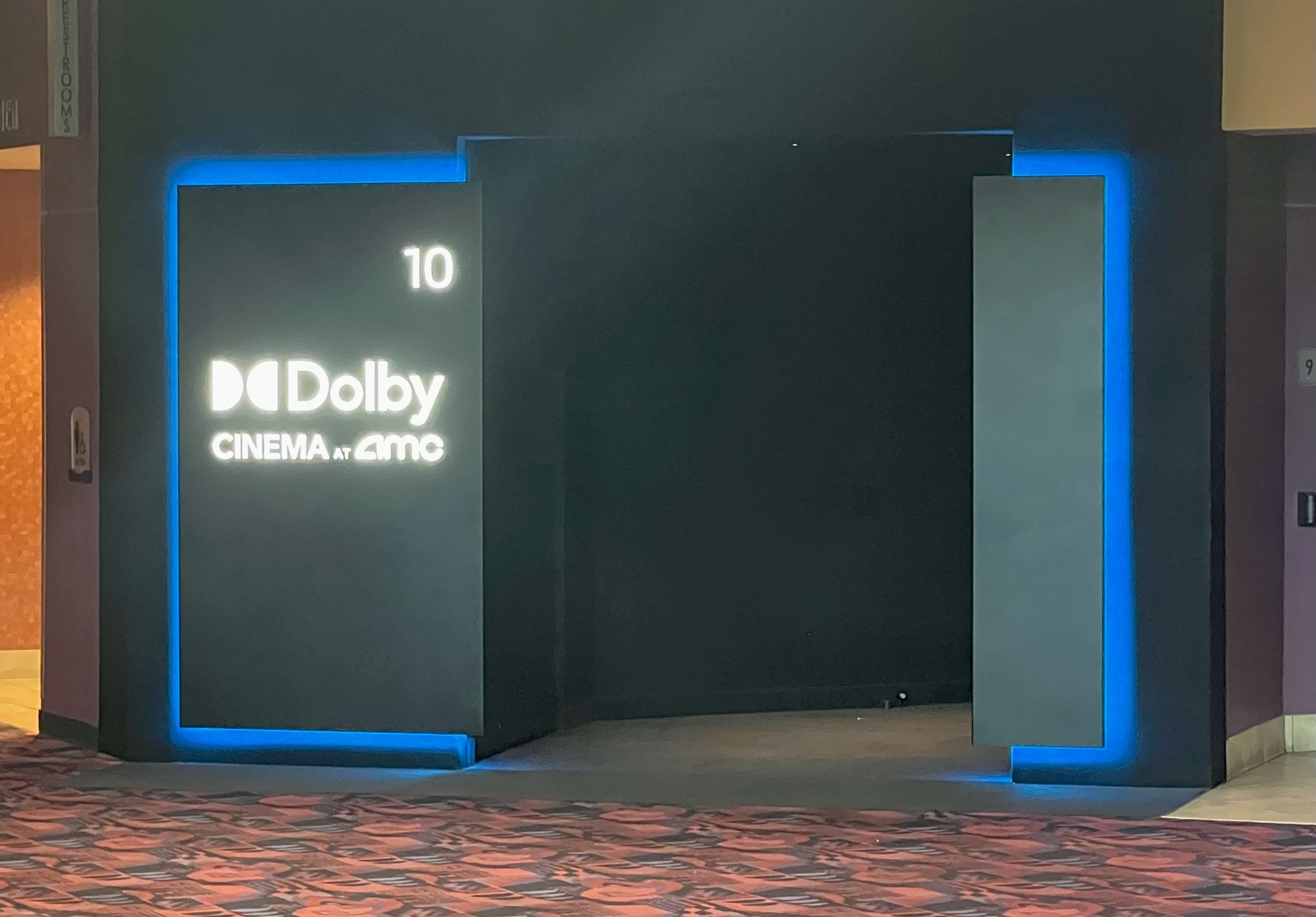
Cinema United, the trade body for North American exhibitors, reports that its members spent about $2.7bn refurbishing cinemas over two years, a figure reported by TheWrap. The association frames the money as reinvestment in the room itself, from seating to screens, rather than a count of new sites.
Updated 07:07 CET, 26 October 2026: adds what the figure covers, the window it sits beside, and how it connects to the Skydance deal and Universal’s release strategy.
Key facts
- Cinema United reports roughly $2.7bn of member refurbishment investment over two years (via TheWrap).
- The spending covers the audience experience: recliners, premium-format screens, sound, food and drink, not only added screens.
- The figure is the trade association’s own, not an audited industry total.
- It arrives as studios lengthen cinema windows, including a minimum 45-day exclusive window at the newly closed Skydance.
The number is a claim about strategy as much as capital. Exhibitors have spent the past decade converting ordinary auditoriums into recliner houses, adding premium large-format and immersive-sound screens, and bolting restaurants and bars onto the lobby. Cinema United is putting a two-year price on that work to make a case: that the trip out is worth paying for, at a moment when the alternative is a subscription and a sofa.
That case only holds alongside what studios are doing with time. The same week framed the other half of the bargain. Our report on Universal wanting its audience off the sofa set out Donna Langley’s argument for a longer window, and the completed Paramount takeover of Warner Bros. under the Skydance name carried a commitment to a minimum 45-day exclusive cinema window on at least 30 films a year. Protected time from distributors, improved rooms from exhibitors: the refurbishment figure is the exhibitor’s side of that trade.
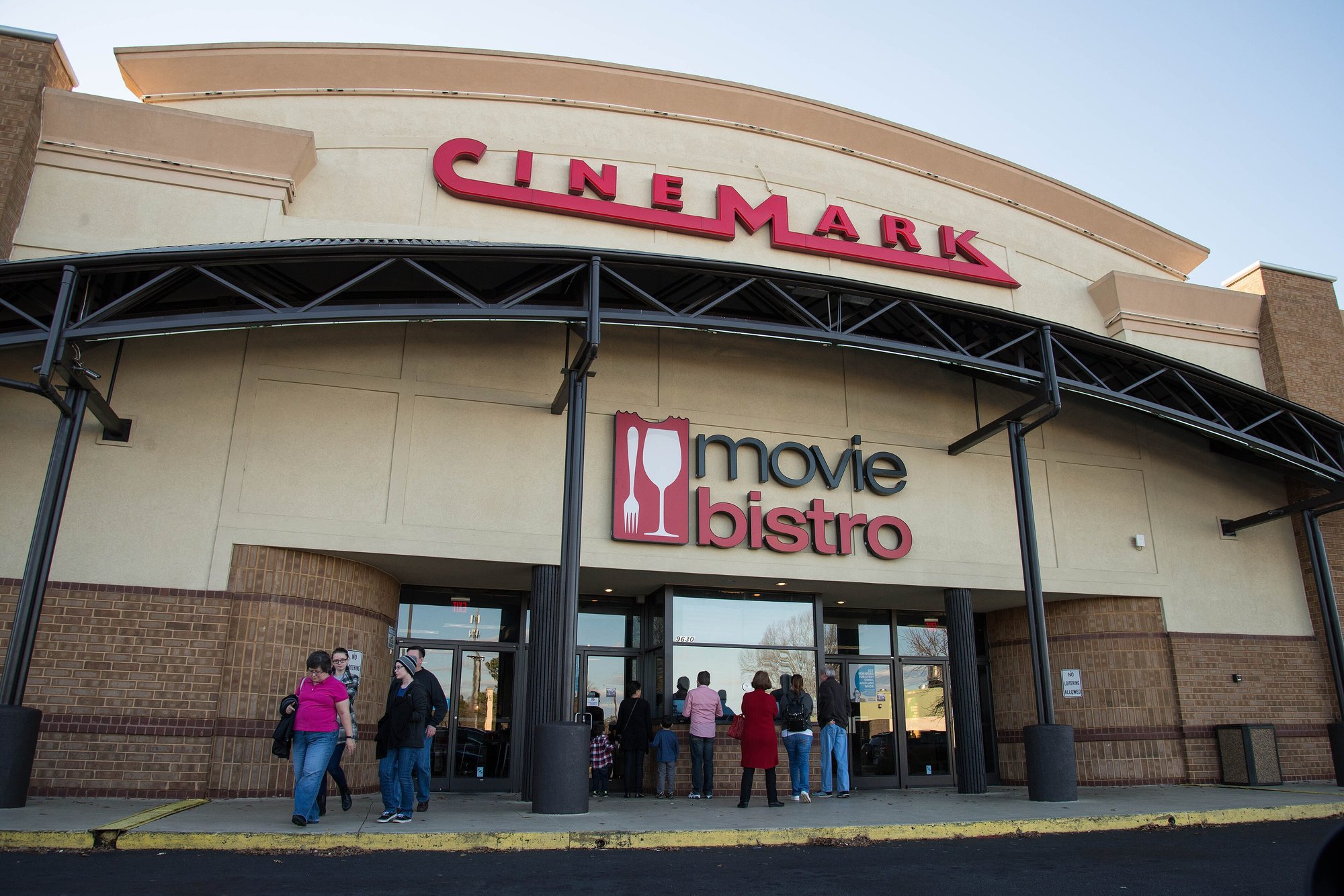
Two cautions sit on the figure. It is self-reported by the body that represents the spenders, so it has not been audited as an industry total, and “investment over two years” mixes routine replacement with genuine upgrades. It also says nothing about whether the spending has moved attendance; a comfortable chair raises the cost of a seat without guaranteeing a buyer for it. The useful comparison is not the headline sum but the per-screen result: admissions and spend per visit in refurbished sites against the rest.
Distributors are not neutral here, even though they did not pay the bill. A studio holding a film in cinemas for 45 days has a direct interest in whether the venue makes the ticket feel worth buying, which is why exhibition and release strategy keep landing in the same conversation. It also shapes how any single release performs, from a reissue to a local hit, as our look at Endgame’s reissue playing mostly outside North America showed.
Our reading
Read the $2.7bn as a negotiating figure, not an audited one. It gives exhibitors something concrete to put opposite the studios’ longer windows: proof of their own investment in the experience. The evidence that would settle whether it works is narrower than the press line, and it is the one to ask Cinema United for next: admissions and concession spend per screen in refurbished auditoriums versus un-refurbished ones, over the same period. Until that lands, the figure shows commitment, not yet return.