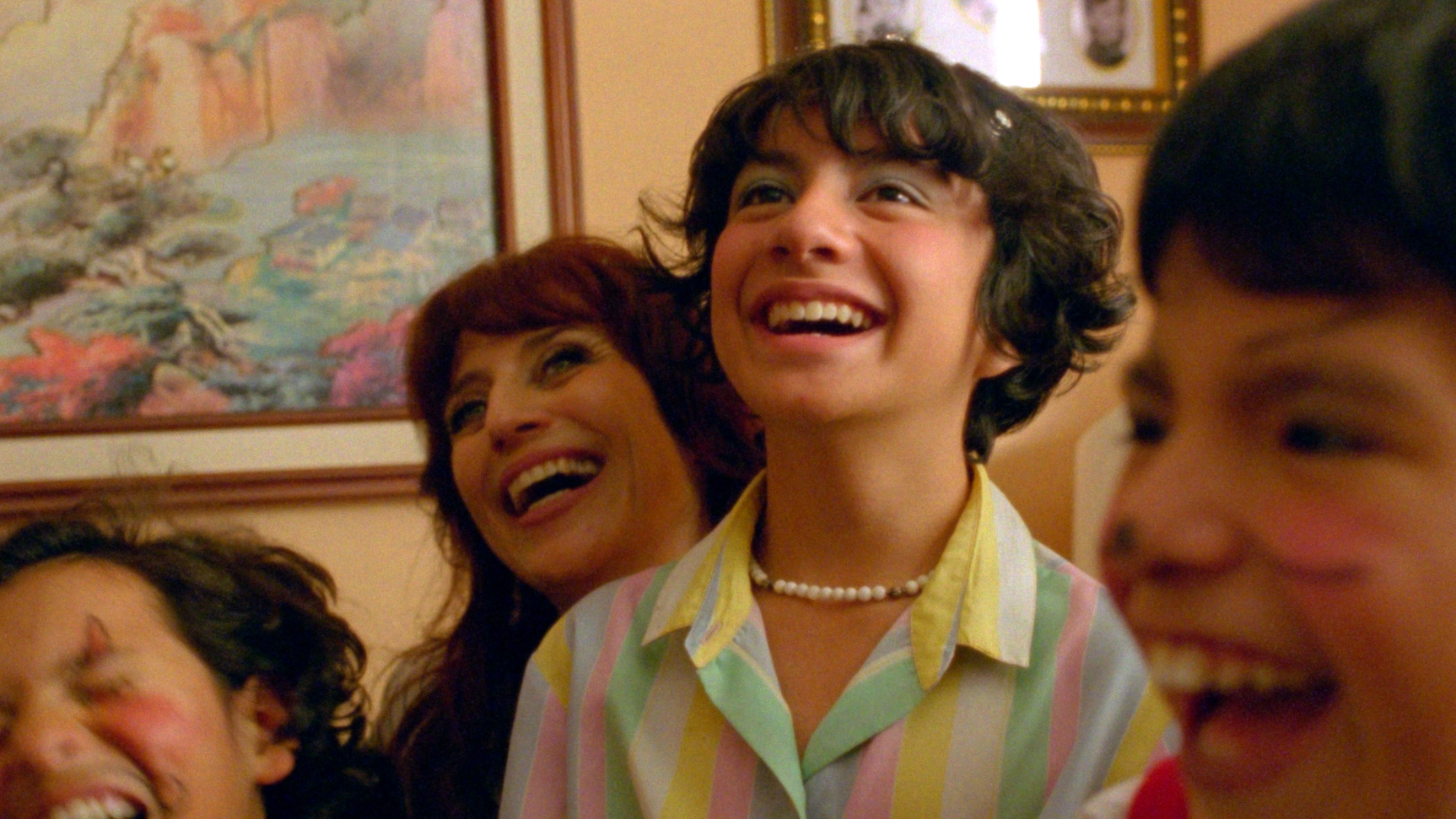
MORELIA – Six Months in a Pink and Blue Building (Seis meses en el edificio rosa con azul), Bruno Santamaría Razo’s first fiction feature, has won the Ojo for best Mexican feature at the 24th Morelia International Film Festival (FICM). It also took the audience award for Mexican fiction features. The prizes were handed out on the evening of Friday 23 October at the Teatro Melchor Ocampo, ahead of the festival’s close on 25 October.
Key facts
- Best Mexican feature and the Mexican fiction audience award: Six Months in a Pink and Blue Building, Bruno Santamaría Razo
- Best director: Nicolás Pereda, Everything Else Is Noise (Lo demás es ruido), whose lead Teresa Sánchez won best actress
- Best actor: Sam Louwyck, Salón de belleza (“Beauty Salon”)
- Best documentary: Forensita, Pablo Vaca
- The jury was chaired by J.A. Bayona
Presenting the prize, Bayona said the film explored the past with courage and turned pain into “an expression of pure, unbound beauty”, in Variety’s translation. Set in Mexico City in the early 1990s, it follows an 11-year-old boy in the year his father is diagnosed with HIV, and draws on the director’s own childhood. Santamaría Razo, a cinematographer and documentary maker, wrote the script and produced the film with Bruna Hadad and Carlos H. Quiñónez for Ojo de Vaca Productora. Brazil’s Desvia Films and Denmark’s Snowglobe co-produced.
The film premiered in May at Cannes Critics’ Week, the first Mexican feature to play there in nearly two decades, after Ernesto Contreras’s Blue Eyelids in 2007. Paris-based Luxbox handles international sales and sold French rights to Épicentre Films before the premiere. Kinótico counts the Morelia awards as its ninth and tenth prizes since Cannes. The 104-minute drama is due in Mexican cinemas in 2027, Mexico News Daily reported, and no streaming date has been announced.
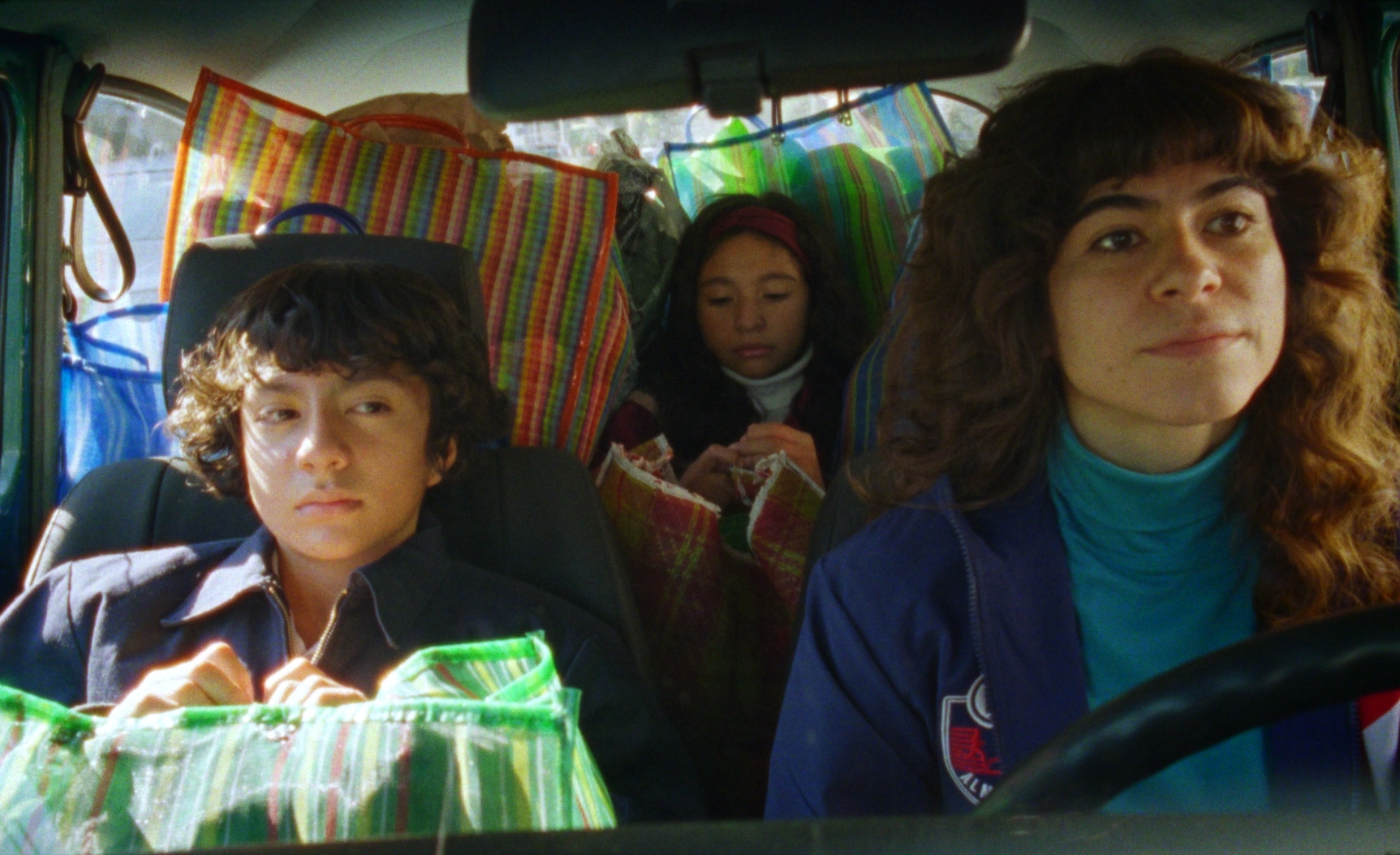
The rest of the palmarès
Joaquín del Paso’s The Garden We Dreamed (El jardín que soñamos) received the jury’s special mention and the cinematography prize, for Gökhan Tiryaki. The film, about a Haitian family heading north who settle in a Mexican forest damaged by illegal logging, premiered in the Berlinale’s Panorama and is sold by M-Appeal. Fernanda Tovar won the Casa Wabi-Escine prize for a first fiction feature with Sad Girlz (Chicas tristes), a story of two teenage swimmers that had already won a Crystal Bear in the Berlinale’s Generation 14plus section and is sold by Alpha Violet. Joaquín Ruano won best screenplay for Nosotros (“Us”).
Pereda’s Everything Else Is Noise is an absurdist comedy in which a composer’s television interview, recorded in a colleague’s apartment, keeps being derailed. In Nathalia Acevedo’s Salón de belleza, Sam Louwyck plays a gay hairdresser whose salon becomes a refuge for marginalised people.
Santiago Maza, whose short Black Shine was in competition, won the ECAM award, a scholarship for a master’s degree in distribution at the Madrid film school.
In the documentary competition, Los mariachis perdidos by Francisco Ohem received a special mention, and the audience award went to Alejandro Rugama’s Yātrā. The international audience award went to Naza, by Yuval Abraham and Rachel Szor, which won the Special Jury Prize in Venice.
The short-film Ojos went to Cuerda manual (Gustavo Obregón, fiction), Voces en el bosque (Teresa Camou Guerrero and Arturo López, documentary) and Cuna de lobas (Emilia Schettino Bustamante, animation). Adrián González-Camargo’s Buenos días, buenas noches, buenas tardes won the Michoacán section.
The festival ran from 16 to 25 October with 96 Mexican films in competition, according to Mexico News Daily, and Mexico’s best-known filmmakers turned out. Diego Luna gave Ceniza en la boca its Mexican premiere on 18 October, and James Gray presented his Cannes competition title Paper Tiger. Guillermo del Toro presented a 3D re-release of Pan’s Labyrinth, and Alfonso Cuarón, whose Y tu mamá también is returning to North American and UK cinemas in 4K, was made an officer of France’s Order of Arts and Letters during the festival.
Santamaría Razo’s win adds to a strong autumn for Latin American titles on the circuit and in the awards race: Argentina has put forward The Virgin of the Quarry Lake for the Oscars, and Miguel Gomes has started shooting Savagery in Brazil.
Variety reports that the 25th edition next year will move back to the last week before the Day of the Dead.
Sources
- Kinótico, 24 October 2026 (full official-selection palmarès)
- Variety, 24 October 2026
- Vox Morelia
- Quadratín, 23 October 2026
- Ibercine, 23 October 2026
- Screen International (Luxbox sales, Critics’ Week history)
- Deadline, May 2026 (Épicentre Films French deal)
- Luxbox, film page
- Variety, October 2026 (Morelia line-up)
- Mexico News Daily, 26 October 2026
- La Semaine de la Critique, film page