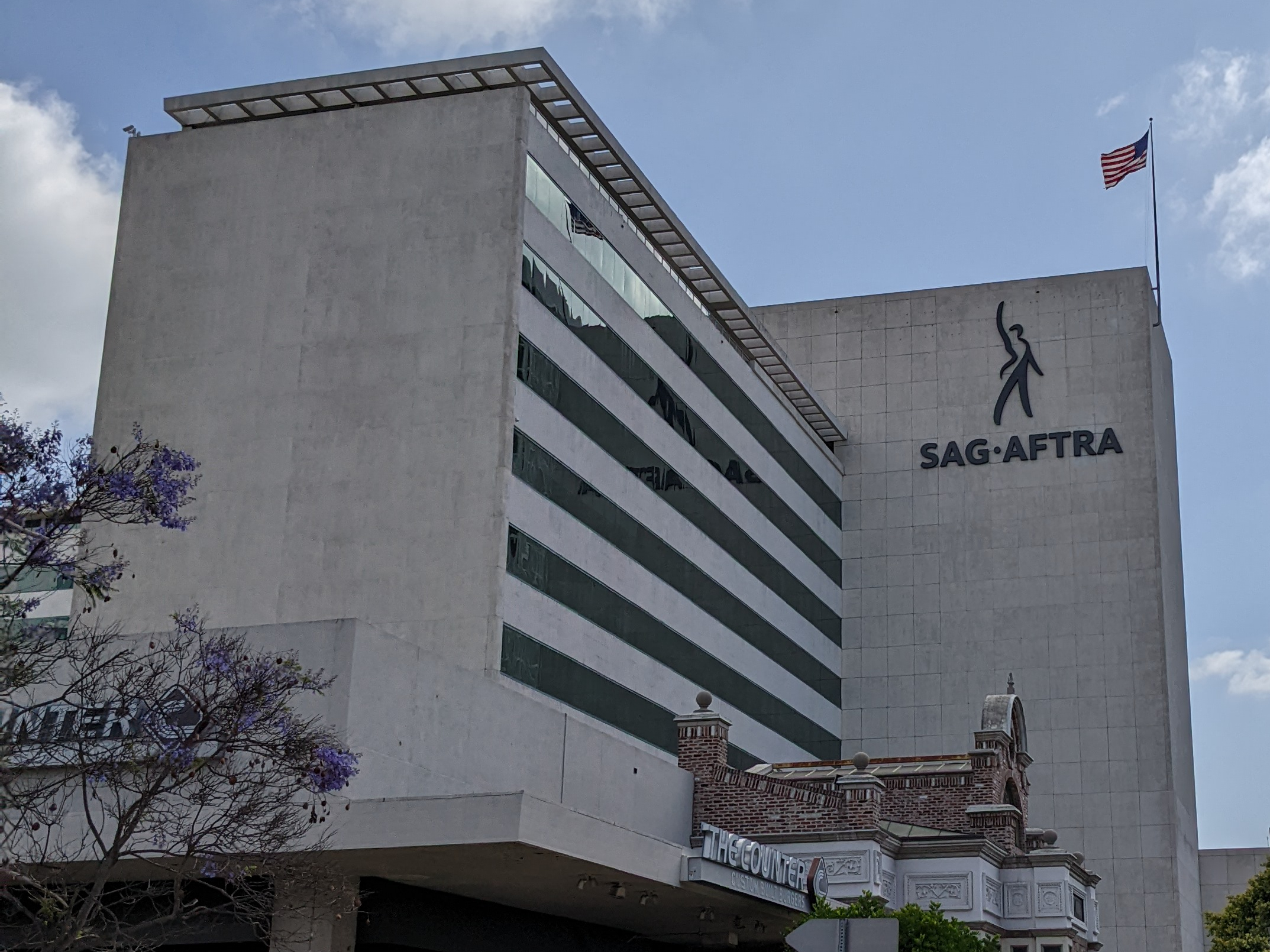

LOS ANGELES – About 700 SAG-AFTRA performers will share roughly $1.5m from the union’s streaming success bonus fund for high-budget streaming work released in 2024, the actors’ union said on Monday 26 October in its summary of a weekend national board meeting, as reported by Deadline and TheWrap. That is about 0.4% of a membership of more than 160,000, and it comes as actors say they cannot earn enough to keep their health cover.
Key facts
- First payout from the Success Bonus Distribution Fund: about $1.5m to around 700 performers, for high-budget streaming titles released in 2024
- SAG-AFTRA has more than 160,000 members, over 100,000 of them actors and performers
- The board extended Duncan Crabtree-Ireland’s contract to 20 June 2032 and added chief executive to his title
- Covid- and strike-era relief on unpaid dues ends this week
The bonus was one of the headline wins of the 2023 contract that ended that year’s actors’ strike. Under the terms SAG-AFTRA published at the time, a high-budget series season or film made for a streaming service qualifies if it is watched by at least 20% of what the contract calls the service’s “domestic” subscribers over a set period. Principal performers on a qualifying title then receive a bonus worth 75% of the fixed streaming residual, and a further 25% goes into a fund run jointly by union and studio trustees, which is meant to spread the money among other performers.
SAG-AFTRA has estimated that the streaming bonus could be worth around $120m over the three-year contract, the Los Angeles Times reported last year. Deadline reported that SAG-AFTRA had not explained how the 25% share is being allocated, or whether those payments are counted in Monday’s figures. The first cheques cover work that came out two years ago.
Astin: no deal can make studios produce more
SAG-AFTRA president Sean Astin addressed members in a 12-minute video recorded at the union’s Miracle Mile headquarters, TheWrap reported. He spoke of “a palpable disconnect between the work of this union and the lived experience of too many of our members”, and said residuals, which once carried working actors between jobs, had been worn away first by cable and then by streaming. What the union has won back is substantial, he said, but far short of what it was.
He also told members that “no agreement can make studios produce more or make audiences watch”, and said the union would use all the bargaining power it has to keep working performers in the business as it changes.
The temporary relief on membership dues, introduced during the pandemic and the 2023 strikes, ends this week, after which members who have been behind on dues for an extended period will have their membership terminated. Astin said the measures could not run indefinitely.
To qualify for the union’s health plan, performers currently need $28,933 a year in union-covered earnings, and TheWrap reported that the threshold is set to rise to $31,616 in 2030. Several actors have said publicly in recent weeks that they have lost coverage or are close to losing it, and actor Cheyenne Jackson has started an Instagram series, “One Job Away”, featuring performers who need one more booking to qualify.
Board decisions
The board raised the health reimbursement account allocation for senior performers with 20 or more retiree health credits to $1,500 a year from $1,140, and to $312 from $240 for those with fewer credits, a change the union said affects more than 10,000 people. It also adopted a resolution saying employers may not make performers sign non-disclosure agreements as a condition of employment unless the terms have been bargained with and approved by the union.
Crabtree-Ireland, national executive director since 2021 and the union’s chief negotiator, had a contract running to 2028. The board approved the four-year extension with 98.34% of its weighted vote, Variety reported, which takes him past the expiry of the current studio contract in June 2030. He was paid $1.1m in the 2026 fiscal year; the new terms were not disclosed.
The numbers land as more crafts negotiate over streaming and AI; last month Apple Studios’ visual effects artists reached a first IATSE contract with AI protections. The employers’ side is consolidating too: Paramount’s takeover of Warner Bros. Discovery closed on 6 October. The bonus turns on viewing figures; Netflix, for one, said this month that Korean series and films logged more than 12bn viewing hours in a year.