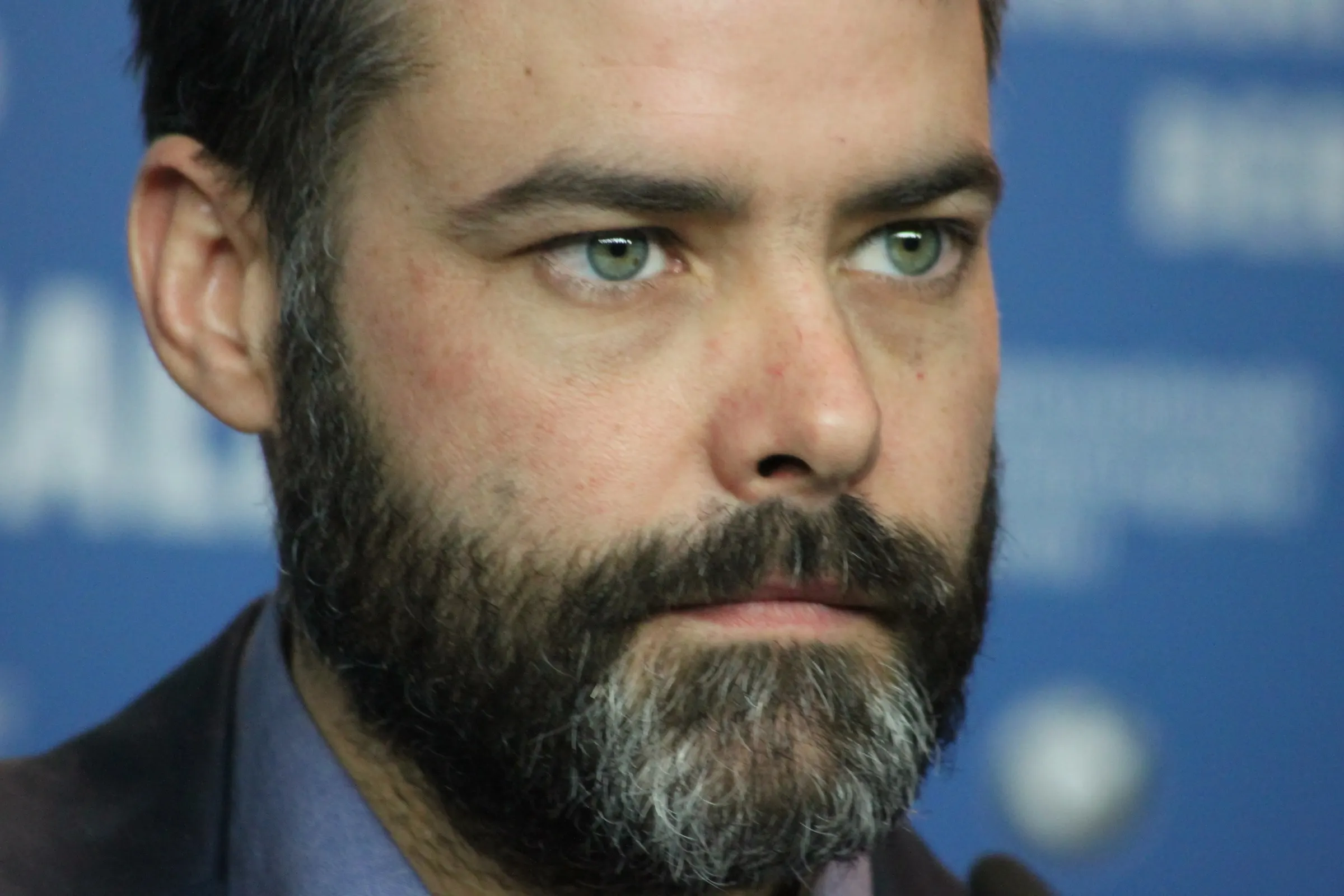

Sebastián Lelio, the Chilean writer-director whose A Fantastic Woman won the Academy Award for best foreign-language film, died in Santiago on Friday 6 November. He was 52. His partner, the actor Amalia Kassai, posted a family statement saying he died “following health complications”; Chilean outlets including Canal 13, T13, CNN Chile and BioBioChile published the text, signed by the Lelio Kassai and Campos Watt families, and asked for privacy. El País, reporting from Santiago, said he was found at his home in Las Condes around midday. Chile’s Fiscalía Metropolitana Oriente said the flagrancy prosecutor Jorge Reyes had opened investigative diligences at the Las Condes address and assigned the inquiry to the PDI’s Brigada de Homicidios – a routine step under Chilean practice when a death is reported at home, not a finding on cause.
Key facts
- Born Sebastián Lelio Watt, 8 March 1974, in Mendoza, Argentina; raised in Chile from age two
- Died in Santiago on 6 November 2026, aged 52; family said “health complications”
- A Fantastic Woman (2017): Oscar for best foreign-language film (2018), Chile’s first win in the category; Silver Bear for best screenplay and other Berlin prizes
- Recent and unfinished work: The Wave (La Ola, Cannes Premiere 2025); Chilean Poet (Zambra adaptation) in production for Fábula with Amazon MGM Studios among partners
From Gloria to the Oscar
Lelio graduated from the Escuela de Cine de Chile and entered features with The Sacred Family (La sagrada familia, 2005/2006), shot in a few days, then Navidad (2009) and The Year of the Tiger (2011). International buyers and festival programmers first locked onto him with Gloria (2013), starring Paulina García as a middle-aged woman reclaiming desire after divorce. The film took García the Silver Bear for best actress at Berlin and opened a path for Chilean character drama into the European arthouse circuit that producers at Fábula – Pablo and Juan de Dios Larraín’s company – would keep expanding.
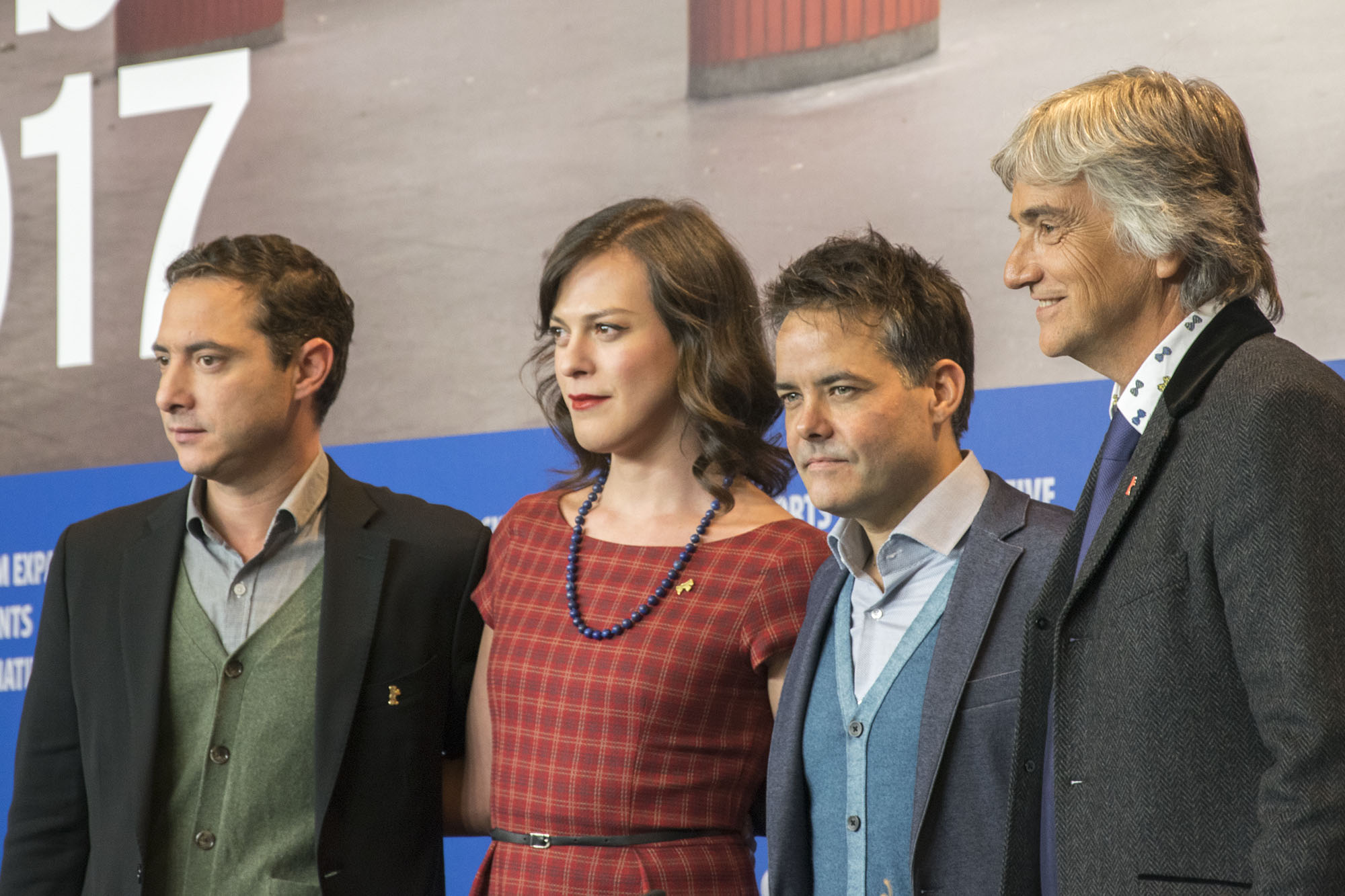
A Fantastic Woman (2017), with Daniela Vega as a trans waitress and singer fighting her late partner’s family for dignity and recognition, premiered at Berlin, won the Silver Bear for best screenplay and, in March 2018, the Oscar. It remains Chile’s only win in that Academy category. The Goya for best Ibero-American film followed. Vega’s lead performance and Lelio’s framing of bureaucracy, grief and gender turned a domestic Chilean story into a sales and awards object that distributors could place in both specialty theatrical and prestige television windows.
English-language work and return to Chile
After the Oscar, Lelio moved into English-language productions without dropping authorship. Disobedience (2017), with Rachel Weisz and Rachel McAdams, adapted Naomi Alderman for the London Orthodox milieu. Gloria Bell (2018) recast the Gloria template with Julianne Moore for an American setting. The Wonder (2022), co-written by Lelio and starring Florence Pugh as a Nightingale nurse sent to investigate a fasting girl in 1860s Ireland, premiered at Telluride, played as a Netflix title and drew a BAFTA nomination for outstanding British film.
He then spent years developing The Wave (La Ola), a large-scale musical about Chile’s 2018 feminist university protests, which bowed in Cannes Premiere in 2025 and reached theatres through Wolfe Video. It was his first Chilean theatrical feature since A Fantastic Woman. In interviews around that film he argued that genre work now had to be self-aware rather than nostalgic – a working note that also described how he treated the musical form as political spectacle rather than period pastiche.
At his death he was shooting Chilean Poet, adapted from Alejandro Zambra’s novel, for Fábula, with Kassai among the casting leads and Amazon MGM Studios listed by El País among international partners. Fábula published a mourning statement calling him a storyteller whose films “marked Chilean cinema and crossed borders.” Chile’s culture minister Francisco Undurraga also issued condolences, El País reported.
Lelio wrote or co-wrote the features he directed and produced on The Wave and Gloria Bell. The through-line buyers and festival directors kept buying was female-centred narrative under social pressure – not as a manifesto slate, he told Deadline in 2025, but as a subject that had been present since film school. What buyers and festival directors took from that body of work was clearer: a Chilean writer-director who could carry a local story into Oscar and Netflix tiers without surrendering authorship, and who was mid-shoot on the next Fábula–studio collaboration when he died.
Related: Mar del Plata opens its 41st festival; SANFIC Industria’s Ibero-American project slate; Cairo’s 47th edition line-up.
Sources
- Family statement via Amalia Kassai (Familia Lelio Kassai / Familia Campos Watt), quoted by Canal 13, T13, CNN Chile and BioBioChile, 6 November 2026
- El País (Antonia Laborde, Santiago), 6 November 2026
- CNN Chile, 6 November 2026
- BioBioChile (Kevin Vejar), Fiscalía Oriente diligencias, 6 November 2026
- T13, family communiqué, 6 November 2026
- Deadline (Erik Pedersen), 6 November 2026
- Cinecittà News, 6 November 2026