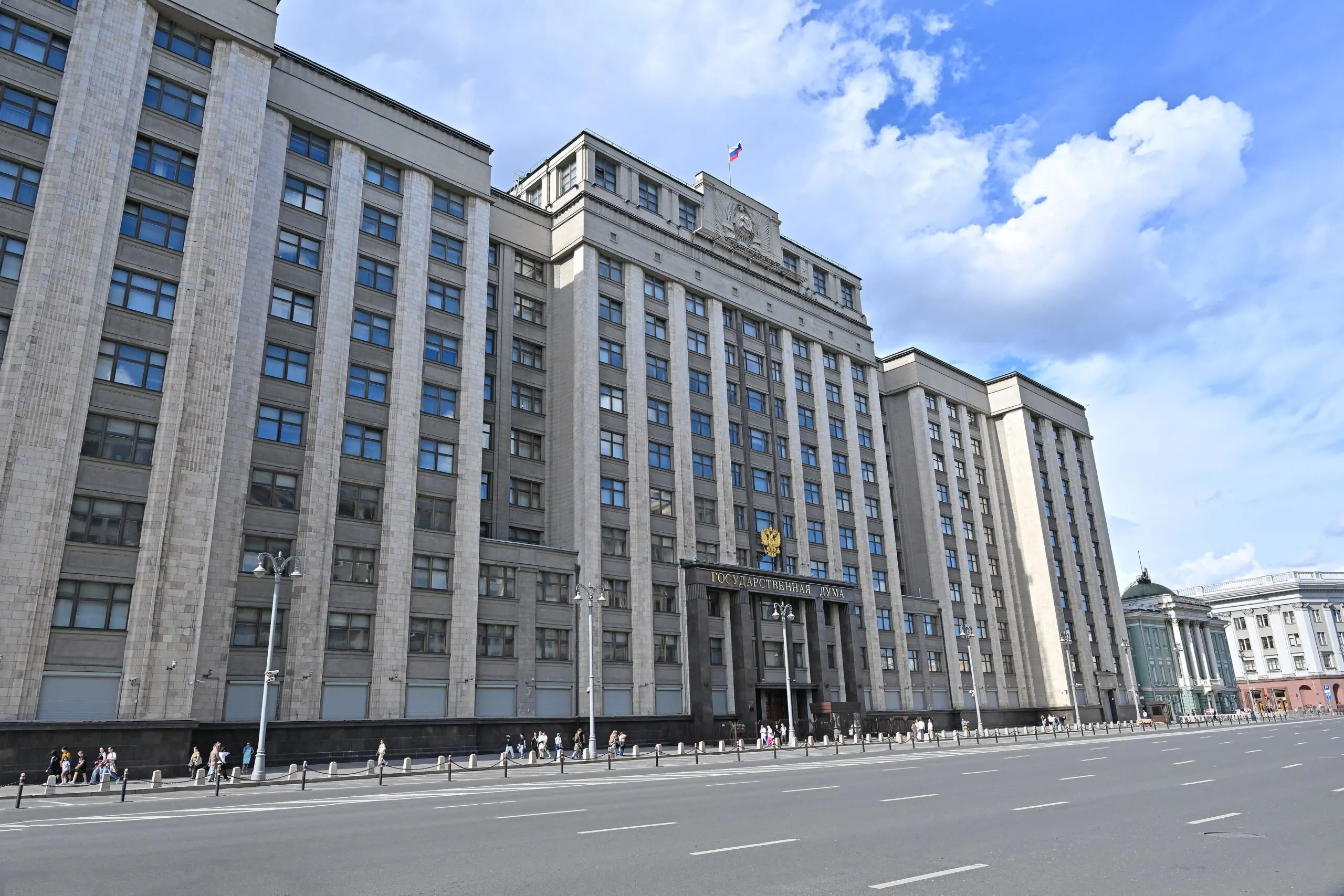

A draft law prepared in Russia’s State Duma would set periods each year in which cinemas could show only Russian films, or in which foreign films could take only a “minimal share” of screen time, and would charge distributors RUB5m ($61,000, at the Bank of Russia rate on 24 November) for the certificate each foreign live-action film needs before release. The state news agency TASS reported the text on 24 November; Kommersant said the bill had not yet appeared in the Duma’s electronic database. If passed, the rules could take effect on 1 March 2027.
Key facts
- Quota periods in total may not exceed half the days in a quarter, about 45 days, according to the text reported by TASS.
- A distribution certificate would cost RUB5m ($61,000) for a foreign live-action film and RUB3m ($37,000) for a foreign animated film.
- Holders of certificates for foreign films would pay 10% of those films’ quarterly box office in Russia towards Russian film production.
- Films from Eurasian Economic Union countries, winners at festivals on a government list and films released before 1993 would be exempt from the fee.
- The Association of Cinema Owners (AVK) says 347 of the 494 foreign films certified this year would not have been released under the fee.
What the draft says
The changes would amend the federal law on state support for cinema. The text, as reported by TASS and carried by Kommersant, Parlamentskaya Gazeta and the trade publication Kinometro, introduces a “quota for national films”. During quota periods, cinemas could either show only Russian films or would have to hold foreign titles to a “minimal share” of screen time relative to Russian ones.
The schedule of quota periods would be approved no later than 90 days before the start of each year, “with the participation of Russian film organisations”. Terms in existing contracts to show a foreign film during a quota period would be treated as void.
The certificate fee would be a condition of release: without the payment, no certificate would be issued. The money would fund the monitoring of film screenings, the system that tracks cinema schedules. The 10% levy on takings would be paid each quarter by the holder of the certificate, in practice the distributor. Breaking the quota rules would bring administrative penalties; the reported text does not set the size of the fines.
Kommersant noted that the director Nikita Mikhalkov has called for foreign film quotas since the summer of 2025, and that President Vladimir Putin has spoken of the need for laws to support Russian cinema and regulate foreign releases, citing China and France as examples.

Cinema owners’ objections
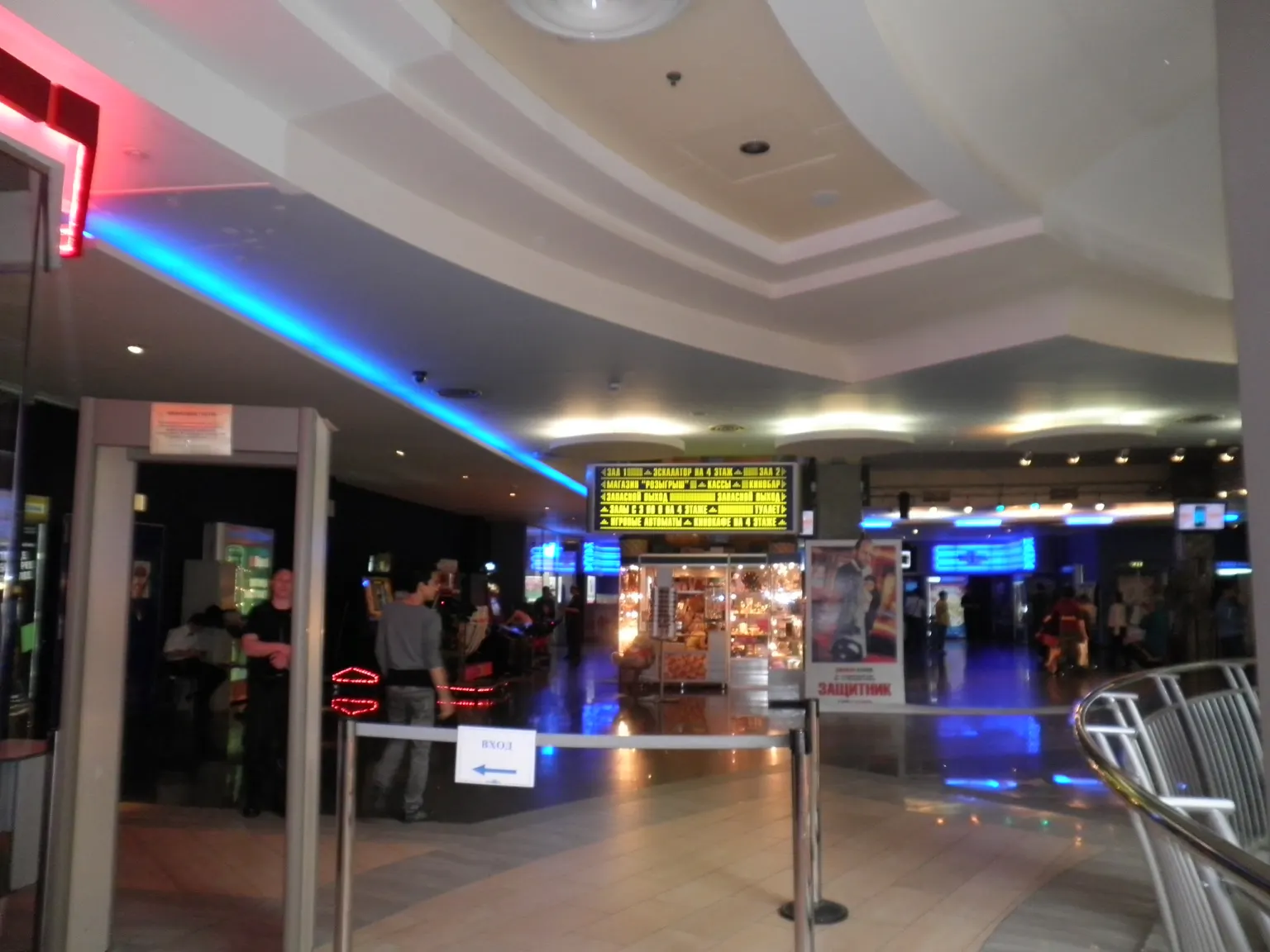
The AVK, which represents Russian cinema operators, asked the Duma the same day to rework the bill and said it would submit the provisions it wants changed within five days. In a response published by Kinometro and also reported by NTV, the association said it supports the aim of backing Russian cinema but argued that the draft would not achieve it.
Its main points:
- The cinema market has not recovered since 2022. Admissions are almost half their 2019 level, and the largest chains operate with negative or near-zero equity, the AVK says.
- The 10% deduction would work as a compulsory payment similar to a tax but would sit outside the Tax Code, and only cinemas and distributors would pay it. Television and online platforms would not.
- Under the fee, cinemas would have lost 70% of foreign films in 2026: 347 of the 494 that received certificates from the Ministry of Culture. For 34 of Russia’s 47 distributors (72%), the business would become unprofitable, including some that release Russian films.
- New payments would raise no more than RUB1bn ($12m) a year for film production. The AVK forecasts that 20% of commercial cinemas could close, cutting box office by about RUB9.6bn ($117m), of which RUB7.4bn ($90m) would be lost by Russian films.
- The state budget could lose RUB2bn–RUB2.5bn ($24m–$30m) a year in VAT, more than the new payments would raise.
- Foreign films are already checked when certificates are issued, including against “traditional values”, so the new limits are unnecessary, the association argues.
The market the bill would apply to
Russian films already take most of the money. Figures from EAIS, the state box-office system run by Fond Kino, show that cinemas took RUB50.7bn ($648m at the Bank of Russia rate on 31 December 2025) in 2025, up 9.3% on 2024, from 118.6 million tickets, down 6.9%. Russian films took RUB39.0bn ($499m), or 76.9% of the total, and sold 93.7 million tickets (79.0%). Foreign films took RUB11.7bn ($150m) from 24.9 million tickets. Russian films’ takings have grown 3.7 times since 2021, when they made RUB10.4bn.
By FilmBunch’s count of the Fond Kino top 10 for 2025, nine of the year’s 10 biggest films were Russian. The only foreign title was Now You See Me: Now You Don’t, at RUB1.79bn ($23m), or 3.5% of the year’s takings. Applied to the RUB11.7bn that foreign films took in 2025, a 10% levy would have produced about RUB1.17bn, before any fall in the number of imports. The AVK’s estimate of less than RUB1bn a year assumes that fewer foreign films would be released.
The fee would also apply to titles from outside the Eurasian Economic Union, whose members are Armenia, Belarus, Kazakhstan, Kyrgyzstan and Russia. That would include Indian releases such as Ramayana, which is reportedly due in Russian cinemas in early 2027. For comparison with other markets, see our look at local and Hollywood films’ shares of box office outside North America and China. In the EU, support for European films runs mainly through funding, such as the €2.68bn MEPs have backed for the MEDIA programme for 2028–2034.
What is not known: who is sponsoring the bill, when it will be formally introduced, which festivals would be on the government’s exemption list and how the “minimum share” of screen time would be measured.
Our reading
The draft combines three tools that usually stand alone: screen-time quotas, a per-title fee and a levy on takings. A flat RUB5m fee weighs most on films with small expected takings, which is why the AVK’s case rests on how many of this year’s 494 foreign titles, and how many of the 47 distributors, would drop out. Russian films already take 76.9% of the box office, so the quota periods would add the most pressure in the weeks when foreign films do best.
The next evidence will be whether the bill is registered in the Duma’s database, who sponsors it, and whether the AVK’s amendments, due within five days, are taken up.
Sources
- Kinometro (Бюллетень кинопрокатчика), В Госдуме подготовили законопроект о квотировании иностранного кино, 24 November 2026
- Kinometro, АВК предложила Госдуме доработать законопроект о квотировании зарубежного кино, 24 November 2026
- NTV, Кинотеатры выступили против законопроекта о квотах на иностранное кино, 24 November 2026
- Uralinform, С кинотеатров хотят брать по 5 миллионов рублей за показ иностранных фильмов, 24 November 2026
- Kommersant, В Госдуме подготовили законопроект о квотах на иностранные фильмы (citing TASS), 24 November 2026
- Parlamentskaya Gazeta, В Госдуме подготовили законопроект о квотировании иностранного кино (citing TASS), 24 November 2026
- Expert, В Госдуме подготовили законопроект о квотировании иностранного кино (citing TASS), 24 November 2026
- Fond Kino / EAIS, Итоги кинопроката 2025 года, 1 January 2026
- Bank of Russia, official exchange rates, 24 November 2026