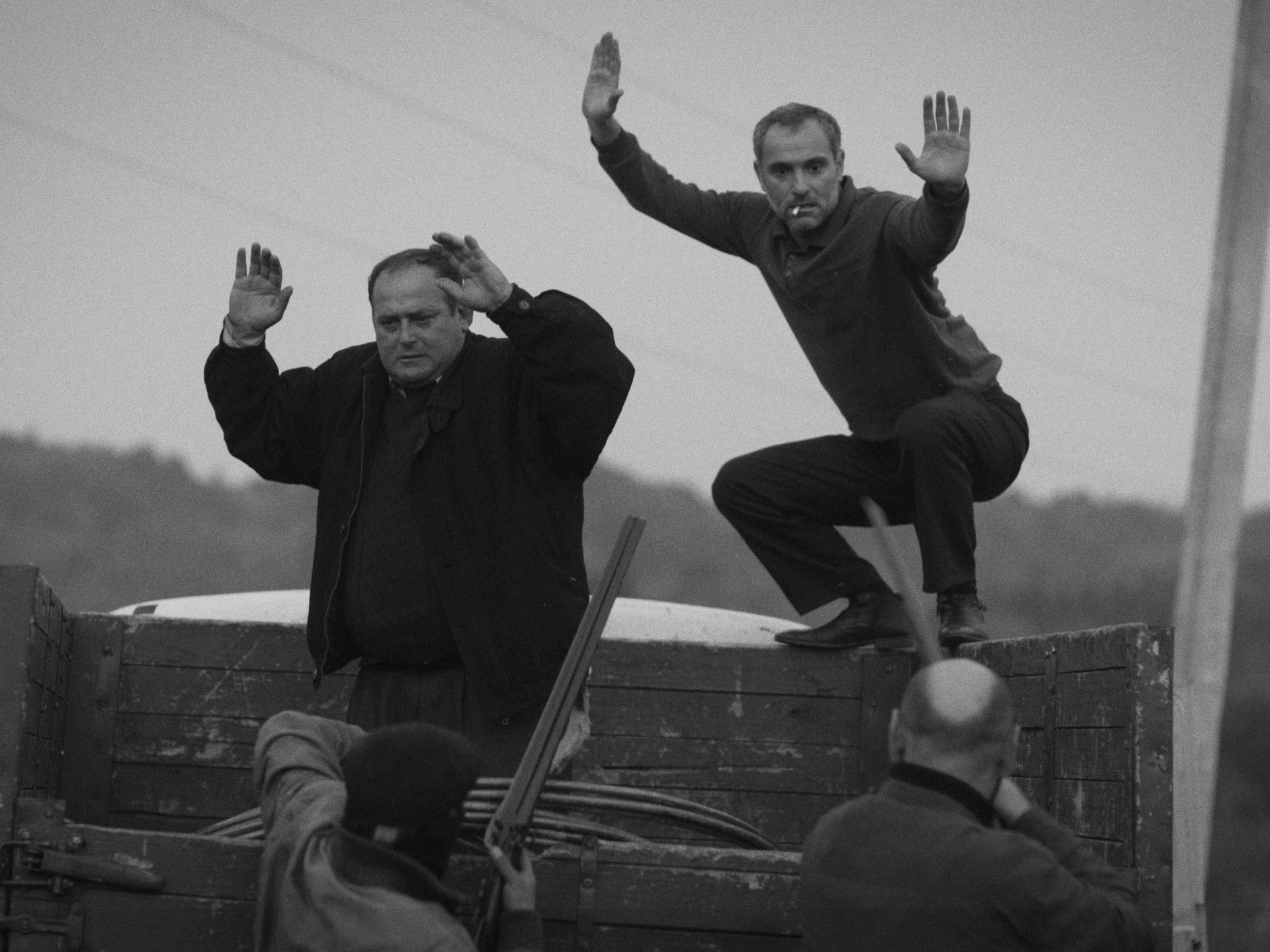
Guria, Georgian director Levan Koguashvili’s comedy about a widowed hazelnut farmer looking for a buyer and a wife after the Soviet collapse, won best film at the 19th Asia Pacific Screen Awards on Friday 30 October. The ceremony at The Star Gold Coast in Queensland also gave best director to Thailand’s Sompot Chidgasornpongse for 9 Temples to Heaven and the jury grand prize to Afghan filmmaker Shahrbanoo Sadat for No Good Men.
Key facts
- Best film: Guria (Levan Koguashvili), produced by Olena Yershova, Koguashvili and Boris Frumin
- Best director: Sompot Chidgasornpongse, 9 Temples to Heaven; special mention to Aung Phyoe, Fruit Gathering
- Jury grand prize: Shahrbanoo Sadat, No Good Men
- 36 nominated films from 32 countries and regions
- Five projects received US$10,000 grants from the MPA APSA Academy Film Fund
The awards cover a region that runs from the Caucasus and the Gulf to the Pacific. They come late in the festival year, so for sales agents a win is one more credential to carry into awards campaigns and the first markets of 2027.
The winners
Guria is set in the western Georgian region of the same name in the early 1990s, with its farmer refusing the low prices offered by Italian buyers while his mother-in-law vetoes each prospective bride. It premiered at Venice, according to Screen International, and the APSA listing names seven co-producing countries: Georgia, Switzerland, Luxembourg, Bulgaria, Turkey, Norway and Saudi Arabia.
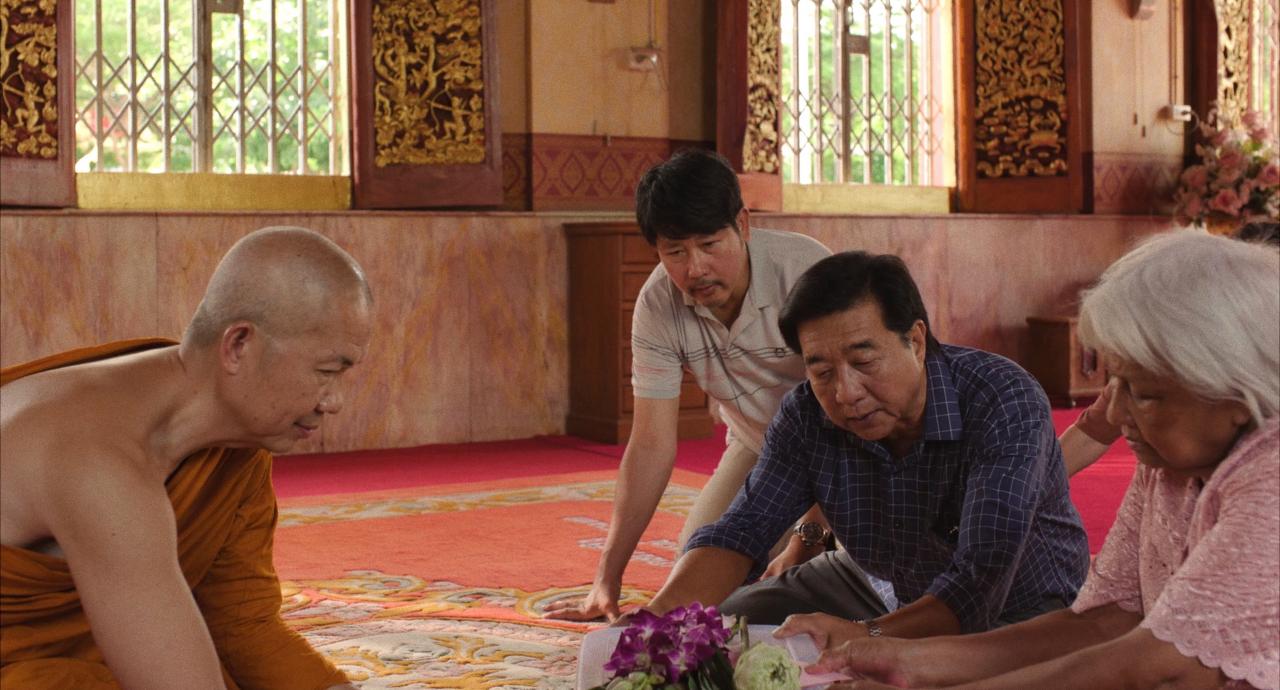
9 Temples to Heaven, which premiered in the Directors’ Fortnight at Cannes, follows a 63-year-old man who takes his ailing mother and seven relatives on a one-day pilgrimage to nine temples after a fortune teller’s warning. Apichatpong Weerasethakul is among its producers, with Kissada Kamyoung. The best-director special mention went to Myanmar’s Aung Phyoe for Fruit Gathering, which won the top prize at Karlovy Vary in July.
Sadat’s No Good Men, which opened this year’s Berlinale, is a German, French, Norwegian, Danish and Afghan co-production. Screen reports that she is in Tokyo this week with a short, Super Afghan Gym.
In the other film categories, Big Girls Don’t Cry, Paloma Schneideman’s New Zealand feature, won best youth film, and The Violinist, directed by Ervin Han and Raúl García as a Singapore, Spain and Italy co-production, won best animated film. Itab Azzam and Jack MacInness took best documentary for One in a Million, about a Syrian refugee. Rakan Mayasi, Wahid Ajmi and Pôl Seif won best screenplay for Yesterday the Eye Didn’t Sleep, Nguyễn Vinh Phúc won best cinematography for Hearing, Nepal’s Pushpa Thing Lama won best performance for Elephants in the Fog and Korea’s Sim Su-bin won best new performer for The World Before. The cultural diversity award went to Another Birth, directed and produced by Isabelle Kalandar.
India’s R Gowtham received the young cinema award, given with NETPAC, for Members of the Problematic Family. The FIAPF award went to the Indian producer Bobby Bedi, and the forum filmmaker award to Malaysia’s Haziqah Azemi for her project Garek.
Development money
The Motion Picture Association funds the academy’s development grants. This year’s recipients are Payal Kapadia and producer Thomas Hakim for A Memory of Being Here; Davy Chou and Charlotte Vincent for My Father’s Glory; Taifeng Liu and Janet (Yan Yan) Wu for A Place in the Sun; Nicole Midori Woodford and Anthony Chen for Incarnation; and Zhanana Kurmasheva and Banu Ramazanova for the documentary The Story of My Shirt. Kapadia’s last feature, All We Imagine as Light, won the Grand Prix at Cannes in 2024. APSA says its academy now has more than 1,816 members from 84 countries and areas.
Our reading
The common thread among the winners is finance rather than geography. Guria, 9 Temples to Heaven, Hearing and Yesterday the Eye Didn’t Sleep each list between five and nine co-producing countries and territories, and by our count Saudi Arabia or Qatar appears on five of the winning films, a sign of how far Gulf funds now reach into Asian and Eastern European art cinema, as Doha’s festival build-up also shows. For buyers, Guria and 9 Temples to Heaven now add an APSA win to premieres at Venice and Cannes; the next test is how far that travels in sales at the first markets of 2027. More festival coverage is in Festivals & Markets and on the Australia region page.