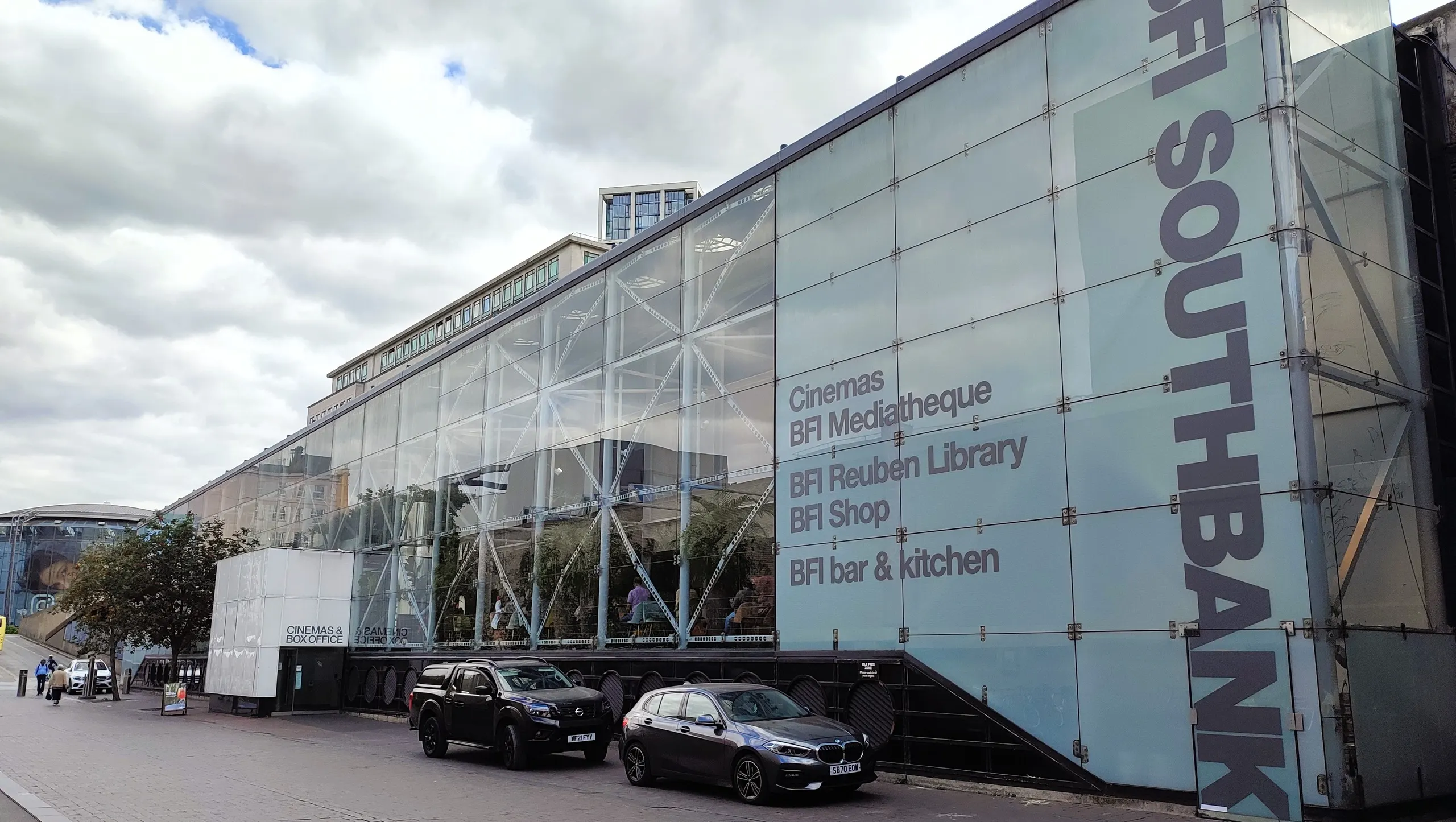

The British Film Institute (BFI) has formed a working group with UK screen bodies to assess the impact of a proposed US federal film and TV tax credit that would pay 20% of qualifying US labour costs, Deadline reported on 25 November.
Key facts
- The BFI said a “broad group of screen sector organisations” is identifying measures to keep the UK a leading home for domestic and international production.
- The US bill sets a 20% base credit on US production pay, rising to as much as 30%, for shoots with at least 75% of principal photography days in the US. Separate rules cover US post-production and visual effects work on films shot abroad.
- UK film and high-end TV (HETV) production spend was £5.18bn in the 12 months to September 2026, down 29% on revised figures, BFI data show.
- Culture minister Ian Murray ruled out an immediate change to UK relief rates on 19 November.
According to Deadline, the group’s remit goes beyond the US credit to slower commissioning, falling budgets, job cuts and competition from incentives in other countries and US states. A BFI spokeswoman said the group was looking at “a range of challenging conditions facing the sector, including increased international competitiveness”. Possible levers include improving the UK’s own credit, finding funding elsewhere and strengthening domestic production, Deadline reported.
What the US bill says
The Motion Picture, Television, and Entertainment Revitalization Act was introduced on 24 September in the Senate as S.5552, led by Tim Scott, and in the House as H.R.10582, led by Nathaniel Moran. Under the Senate text, the credit is a share of the pay of actors, directors, producers and production personnel for work done in the US. It covers feature films, TV pilots and TV seasons costing more than $1m, with at least 75% of principal photography days in the US. Residuals and participations are excluded.
The base rate is 20%. Four bonuses of five percentage points each, for shooting in rural opportunity zones or disaster areas, for independent producers, for producers working in at least ten states and for companies that raise their US output against past foreign shoots, can lift it to a cap of 30%. Productions shot mainly abroad can still claim on US post-production or visual effects pay when at least 75% of that work is done in the US, at 20%, or 25% with a bonus. The credit would be transferable and would apply to productions starting principal photography in tax years beginning after 31 December 2026.
President Donald Trump has urged Congress to pass the bill, which had 96 sponsors in Congress earlier this month. Deadline said the bill could pass before the current lame-duck session of Congress ends.
Where the UK stands
The UK’s Audio-Visual Expenditure Credit pays 34% of qualifying expenditure on film and HETV, according to HMRC. The credit is taxable, so at the 25% main rate of corporation tax it is worth about 25.5% net, the figure usually quoted as 25%.
The BFI’s statistics summary for the 12 months to September 2026 puts film spend at £1.84bn, down 33%, and HETV spend at £3.33bn, down 26%, both against revised figures. The combined £5.18bn was down 20% on first-reported figures and 29% on revised figures; Deadline gave the fall as 28%. FilmBunch reported the January to September figures earlier this month.
Speaking at the British Screen Forum on 19 November, Murray said the government took the implications of the US proposal “incredibly seriously”, Screen International reported. He said rates were always kept under review. He cited Vancouver, where he said a 3% stackable relief for TV had moved production away from Toronto. Aardman’s Sean Clarke called the US credit a “real issue”, according to Deadline.
UK industry sources told Deadline there was no sign of productions relocating yet. Shoots in the UK in late 2026 and 2027 include new seasons of Mobland and House of the Dragon, and Guy Ritchie’s Dogfight for Netflix.
Our reading
The US text ties the main credit to US pay and to a 75% share of US shooting days, so a production shot mainly in the UK would not earn it on its shoot. Its post-production and visual effects routes are a separate risk for UK facilities, because a film shot in Britain could still claim on post and effects work done in the US. The question for the BFI group is whether a 20% to 30% US credit, added to state incentives, shifts the choice of base for American projects that would otherwise come to the UK. The next evidence is a vote in Congress, any proposals from the group and the BFI’s next quarterly figures.
Sources
- Deadline, British industry braces for impact of America’s federal film and TV tax incentive, 25 November 2026
- BFI Research and Statistics Unit, Screen sector statistics to September 2026, 11 November 2026
- Congress.gov, S.5552 Motion Picture, Television, and Entertainment Revitalization Act, text
- Congress.gov, H.R.10582 Motion Picture, Television, and Entertainment Revitalization Act
- HMRC, Claiming Audio-Visual Expenditure Credits for Corporation Tax
- Screen International, UK government tells industry it has its back over possible US federal credit, 19 November 2026