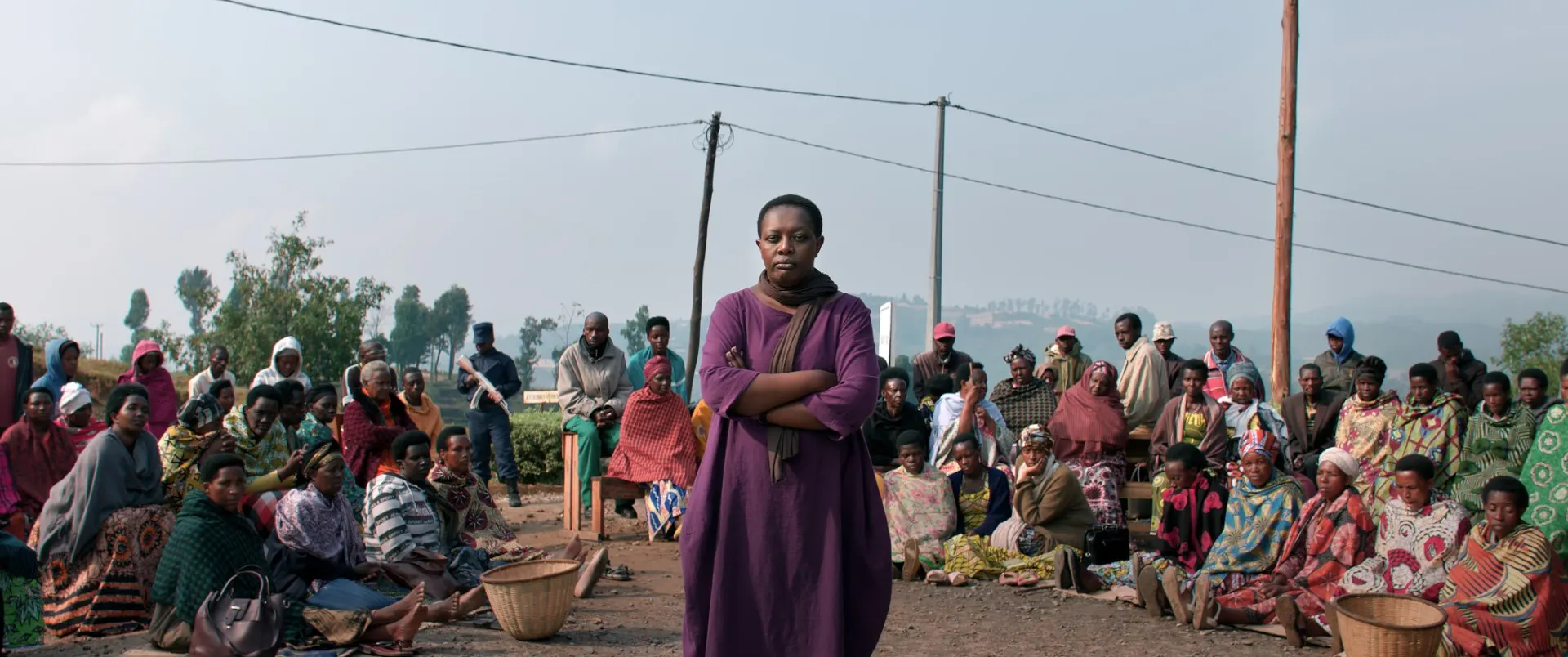
Marie-Clémentine Dusabejambo’s Ben’Imana, which won the Caméra d’Or at Cannes in May, leads the 2026 Ajyal Film Competition at the Doha Film Festival. The Doha Film Institute named the 17-film selection, five features and 12 shorts, on Sunday 8 November, 11 days before the festival’s second edition opens in Doha. The edition runs from 19 to 27 November.
Ajyal is the strand the institute built its festival on. Its winners are picked not by industry figures but by a jury of young people aged 16 to 25. The institute says more than 100 of them will take part this year. Under the festival’s 2026 rules the best feature prize is worth $35,000 and the best short $12,000, each with a trophy.
Key facts
- Festival: second Doha Film Festival, presented by the Doha Film Institute, Doha, 19–27 November 2026
- Selection: 17 films, five features and 12 shorts, announced 8 November 2026
- Jury: young people aged 16–25; the DFI says more than 100 will take part
- Prizes: best feature $35,000, best short $12,000, each with a trophy, according to the festival’s 2026 rules
- Headline title: Ben’Imana (Rwanda, Gabon, France, Norway, Qatar), Caméra d’Or, Cannes 2026
The selection
The Doha Film Institute’s Ajyal Film Competition, as published on 8 November:
Features
Ben’Imana (Rwanda, Gabon, France, Norway, Qatar), Marie-Clémentine Dusabejambo
Gabin (France, Germany, Switzerland), Maxence Voiseux
Out of School (Morocco, Denmark), Hind Bensari
Summer Meadow (Belgium, France), Naël Khleifi and Lisa Debauche
We Are Aliens (Japan, France), Kohei Kadowaki
Shorts
As a Cure (China, UK), Dorothea Sing Zhang
Boomerang Atomic (Algeria, France, Japan, USA), Rachid Bouchareb
Boundaries (South Korea), Seun Yee
Intersecting Memory (France, Palestine), Shayma’ Awawdeh
Nobody Said Anything (Serbia, France, Slovenia, Croatia), Tamara Todorović
Prisoner of Love (Lebanon, USA), Yumna Marwan
The Bird’s Placebo (Tunisia), Rami Jarboui
The Kalgan Horse (China, USA), Zichen Zhao
Threads of Support (Uzbekistan, Qatar), Olya Korsun
Typhoon Mambo (Switzerland, France, Thailand), Domenico Singha Pedroli
Vegetare (Spain), Adrià Expòsit-Goy
We Were Here (India), Pranav Bhasin
Ben’Imana arrives in Doha with the strongest record of the five. Dusabejambo’s first feature premiered in Un Certain Regard and became the first Rwandan title to play in Cannes’ official selection. It took the FIPRESCI critics’ prize as well as the Caméra d’Or for best first feature. The film is set in 2012, when community courts were still hearing genocide cases, and follows Vénéranda, a survivor who brings victims and the families of perpetrators together. Rwanda has since submitted it as the country’s first entry in the international feature Oscar race, Variety reported. The DFI lists Qatar among the co-producing countries. mk2 Films handles world sales. Alexander has the film in English-speaking territories, with a UK cinema release set for 19 February 2027 and a US opening in March, according to Variety and Deadline.
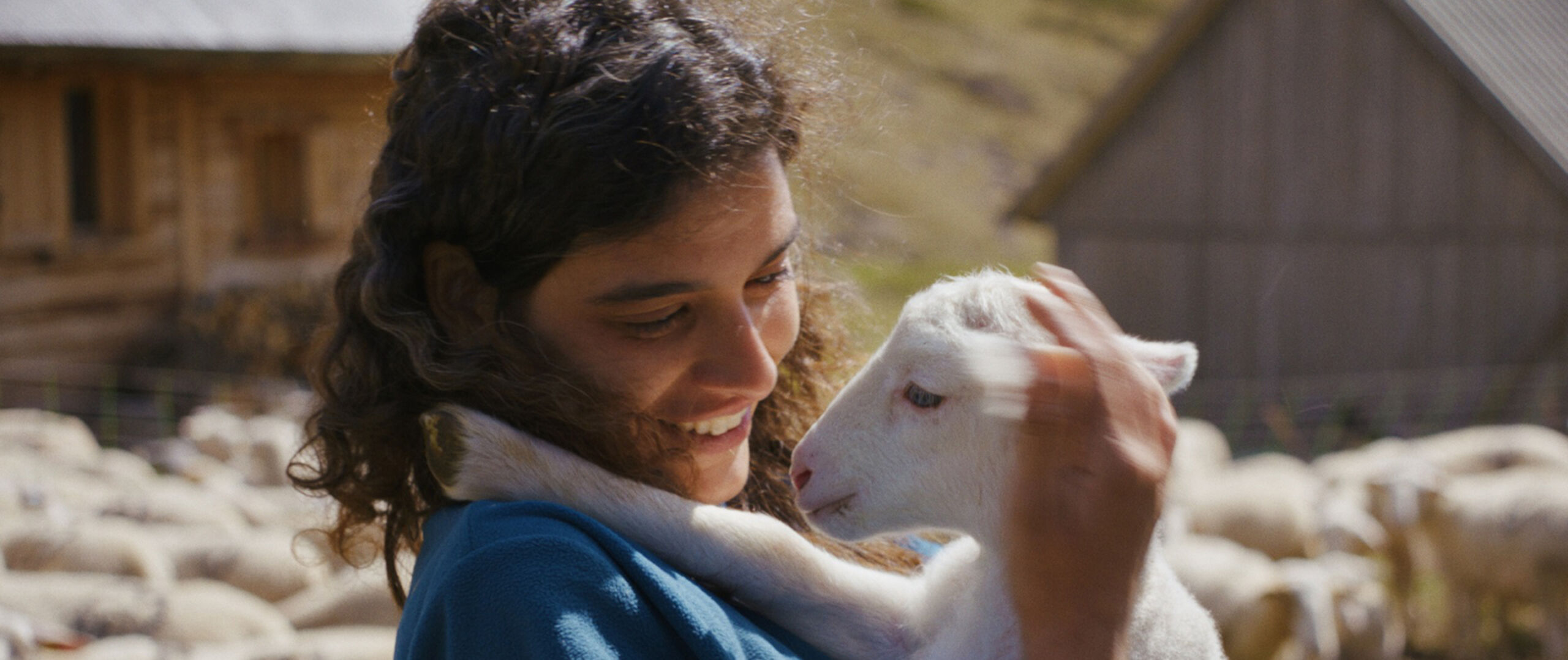
The other features stay closer to coming-of-age stories. In Voiseux’s Gabin, a teenager expected to take over his father’s butcher’s shop would rather train a show cow, breed dogs and keep his mother’s farm afloat. Bensari’s Out of School, set in an Atlas Mountains village with no secondary school, follows 12-year-old Mohamed, who has left school and hopes to find work in the city. Khleifi and Debauche’s Summer Meadow watches a young Lebanese woman training as a shepherdess, living with her flock far from the war at home. Kadowaki’s We Are Aliens follows a third-grader who befriends a strange boy carrying a fragment of meteorite.
Among the shorts is Bouchareb’s Boomerang Atomic, a documentary on the fallout from France’s first nuclear test in the Algerian desert on 13 February 1960.
Fatma Hassan Alremaihi, the DFI’s chief executive and the festival’s director, said young people are not simply tomorrow’s audience but storytellers shaping the world now, and pointed to Ajyal jurors who have gone on to curate and moderate sessions at the festival.
Our reading
Ajyal is where Doha’s audience strategy is most visible. Qatar is listed among the producing countries of Ben’Imana and of Threads of Support, and the strand gives those titles a local showcase alongside a young audience for arthouse cinema. Placing a Cannes prizewinner that is already sold into English-speaking territories and entered for the Oscars at the top of a youth competition signals how seriously Doha takes the strand. For sales agents, a $35,000 award decided by a jury of teenagers and twentysomethings is also an unusual early read on how a title plays with younger viewers in the Gulf.
Related: Naomi Kawase heads Doha’s international competition jury; Doha’s Cinema Alkhaleej strand of Gulf films; Cairo International Film Festival’s full 2026 selection.
Sources
- Doha Film Institute press release, 8 November 2026. Doha Film Festival announces Ajyal Film Competition line-up
- mk2 Films, Ben’Imana film page (world sales)
- Doha Film Festival, Rules and Regulations (competition prizes)
- Doha Film Festival, Ajyal at DFF (jury and film club programme)
- Variety, 2026. Rwanda selects Ben’Imana as its first international feature Oscar entry
- Deadline, September 2026. Alexander acquires Ben’Imana