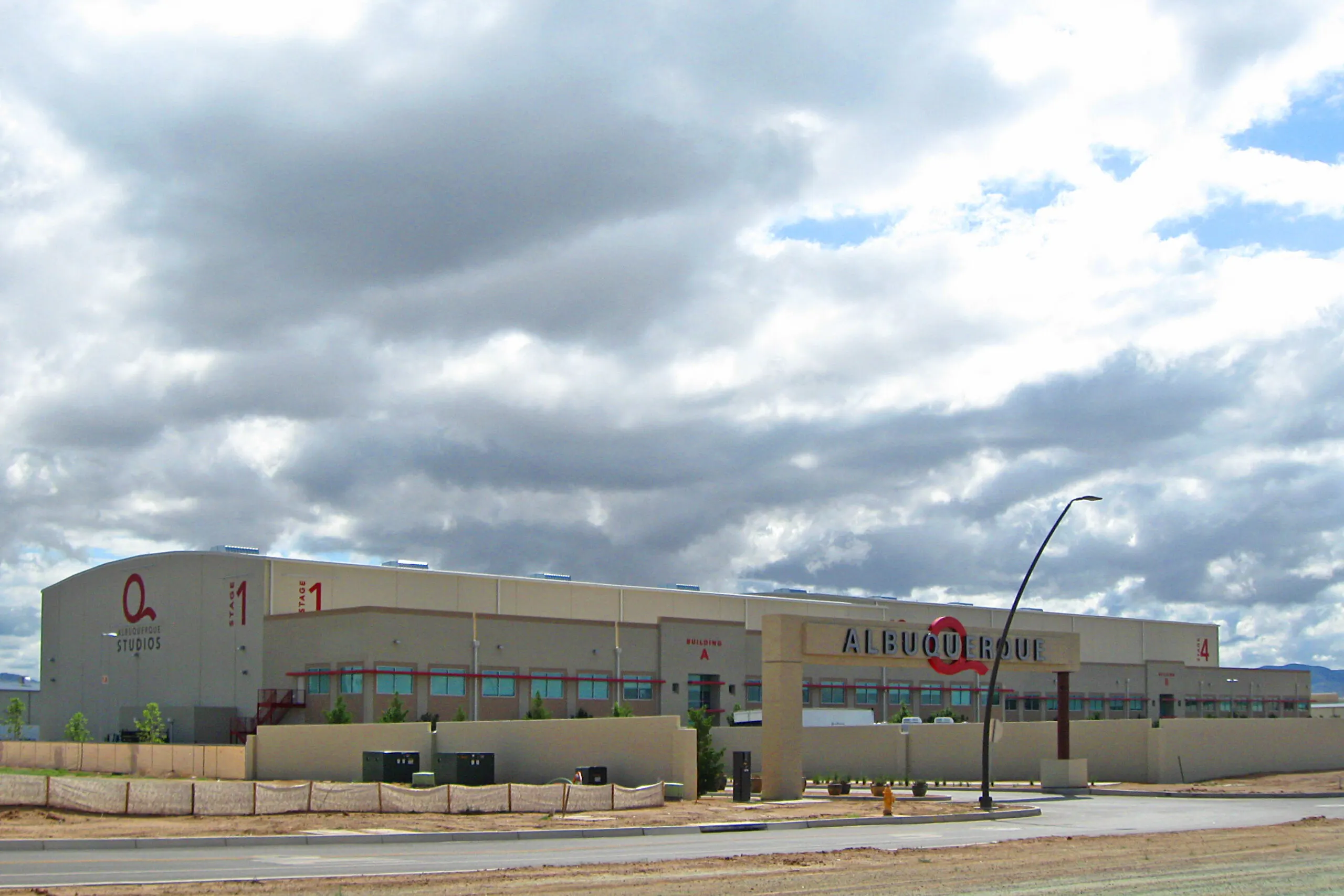

The New Mexico Film Office wants the state to put $150m into a loan fund for film productions, with the best terms reserved for locally made projects, its director, Steve Graham, told the Albuquerque Journal in a report published on 15 November. The money would be a one-time appropriation, and the fund would be run by the New Mexico Finance Authority (NMFA), the state’s public lender, which is drafting the bill for next year’s 60-day legislative session.
The plan is aimed at independent producers rather than the studios that built New Mexico’s production business on a 25% refundable tax credit. A credit pays out after the money has been spent; a loan would help a local producer raise it in the first place. The state already has a film investment scheme on its statute book, but the governor’s own film council calls it “moribund”.
Key facts
- Proposal: a one-time $150m state appropriation for a self-sustaining film loan fund, administered by the NMFA
- Terms under discussion: loans capped at $7.5m or 60% of a production’s budget, whichever is lower, at low rates set by the NMFA, with better terms for New Mexico productions
- Status: bill still being drafted for the 2027 session; the plan was presented to the legislature’s NMFA Oversight Committee in October
- FilmBunch check of state documents: the existing scheme requires a signed distribution deal, and the film council put the cost of reviving it at about 10.25% interest
What is proposed
The NMFA would hire an outside industry consultant to vet applications, Graham said. Loans would be limited to $7.5m, or 60% of a production’s total budget if that is lower, at what the film office calls competitive, low interest rates. The NMFA could require a repayment guarantee at its discretion, and productions may be allowed to pledge their state tax credits as collateral. The local preference is still being defined; Graham suggested it could cover films that are produced locally and crewed and cast mainly by New Mexicans.
Committee members were “mostly supportive” when the film office presented the plan in October, Graham said, though some raised the financial risk and others asked how the fund would reach rural areas. The proposal grew out of a task force set up this year by the Governor’s Council on Film and Media Industries.
The scheme New Mexico already has
State documents explain why the film office wants a new fund rather than the old one. Under section 7-27-5.26 of the state statutes, in force since 2000, up to 6% of the Severance Tax Permanent Fund may be invested in New Mexico film projects or film private equity funds, with a ceiling of $15m per project. To qualify, a film needs a distribution contract with a reputable distributor already in place, a crew that is mostly local while it shoots in the state, and either a full repayment guarantee from a highly rated company or bank or at least a third of its budget from other sources. A completion bond is also required unless repayment is guaranteed.
In its 2025 report to the governor and legislative leaders, dated 1 December, the film council said strict requirements at the State Investment Council had “effectively nullified” the scheme. Reviving it through the NMFA under current law would mean a rate of about 10.25%: a 6.25% market rate required by the investment council, 2% for a loan guarantee and 2% for the NMFA’s costs. The council recommended legislation moving the whole programme to the NMFA, and noted that most states have no loan programmes, only incentives.
The council’s minutes show how the idea has changed. In July 2025 it discussed a framework of up to 10 loans of up to $15m each, capped at $150m a year. In October its film finance subcommittee agreed to recommend dropping the distribution requirement. The plan now on the table is a single $150m appropriation, with the per-loan ceiling halved to $7.5m.
Why New Mexico wants it
New Mexico has lost much of the production that made it a hub for streaming series. Productions spent $855m on 112 projects in the state in fiscal 2022 and $327m on 80 in fiscal 2026, according to the film office, which partly credits independent production for the modest rise in that last year, the first in four.
The state is still winning studio work: the untitled Grey’s Anatomy spinoff moved there this month after failing to secure California’s tax credit. A 20% federal production credit is now before Congress, and states with their own incentives are looking for ways to keep an edge if it passes.
What is not known
No bill text has been published. The interest rate, the local preference, how the fund would absorb losses and how many loans it would make a year are all open, and the $150m still needs the legislature’s approval.
Our reading
For an independent producer, two things decide whether a public loan is useful: what the money costs and what has to be in place before it arrives. The existing route costs about 10.25% and still demands a signed distribution deal, which most independent films do not have before shooting; outside the studios, films are usually sold country by country, often after they are finished. If the bill drops that requirement and prices loans well below the council’s figure, the fund would look more like the production loans offered by public film bodies abroad than a US tax incentive. The bill text will show which it is.
Sources
- Albuquerque Journal, New Mexico eyes $150 million film loan fund to boost homegrown productions, 15 November 2026
- Governor’s Council on Film and Media Industries, 2025 Report and Recommendations, 1 December 2025 (PDF)
- Governor’s Film Council, minutes of 29 July 2025 meeting (PDF)
- Governor’s Film Council, minutes of 2 October 2025 meeting (PDF)
- NMSA 1978, § 7-27-5.26, Investment in films to be produced in New Mexico
- Albuquerque Journal, New Mexico aims to ‘take center stage’ amid film industry struggles