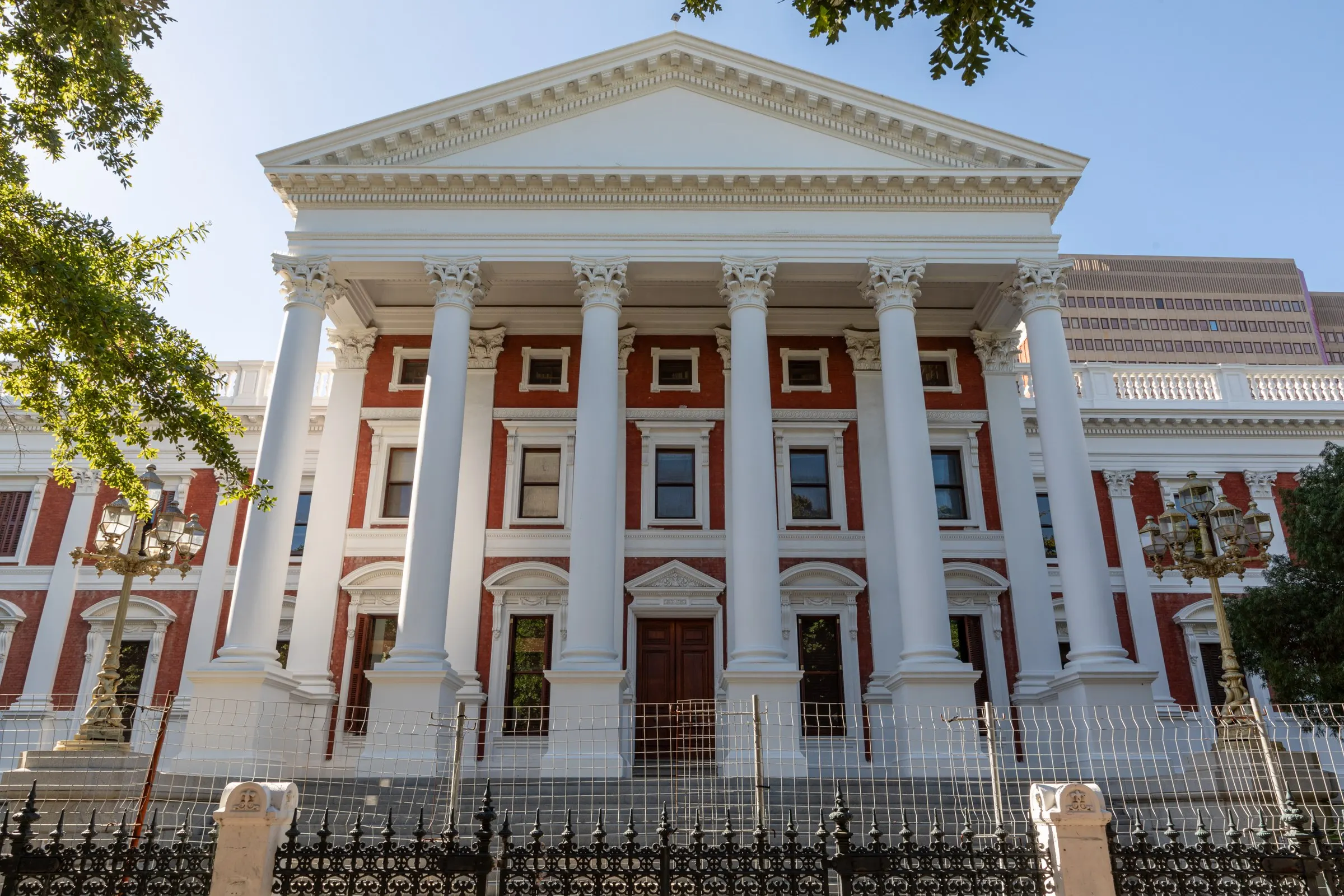

A film incentive is worth what the treasury pays, and when. South Africa’s Department of Trade, Industry and Competition (DTIC) told Parliament on 30 October that 28 approved film and television productions had ZAR255m ($15.6m) in rebates still to be paid at 30 June 2026. Its February presentation reported no new approvals in 2024/25 or 2025/26 to that point.
The rate on a scheme’s website is where a producer’s calculation starts. South Africa offers 25% of qualifying local spend to foreign productions, 35% to South African productions and 50% to Black-owned local films, each capped at ZAR25m a project, but the money is a reimbursement: the producer pays crews and suppliers first and recovers part of the cost once the claim is verified. Without an approval and a predictable payment date, the percentage cannot go into a finance plan. The same gap between a promised rate and usable money has opened in the US, where a 20% federal credit is stuck in committee, and in New Mexico, where the state’s own film council says strict terms have left its film loan route unused.
The department disputes the bleakest reading of these figures, and its case deserves weight. It says the liability “has shown a consistent downward trend” since September 2025 and that the 28 productions “are yet to submit all required documentation”. In February it told MPs: “The Department did not withhold any claims, except those that were submitted as incomplete.” On that account, the ZAR255m is a set of conditional commitments waiting on paperwork.
Key facts
- South Africa: ZAR255m in rebates outstanding for 28 approved productions at 30 June 2026; the DTIC says all 28 have yet to submit the documents it needs to pay (written reply NW5370, 30 October 2026)
- The outstanding liability has fallen from about ZAR2bn in March 2021 to ZAR285m at 31 March 2026; its February presentation reported no approvals in 2024/25 or 2025/26 to that point
- US: the 20% federal film and TV credit has 78 sponsors and cosponsors but no committee action since its introduction on 24 September, and no official cost estimate
- New Mexico: the film office wants a one-time $150m state loan fund; the existing state film investment route requires a signed distribution contract and would cost about 10.25%
South Africa reduced its liability while new approvals stalled
In 2020/21, with shoots deferred by the pandemic, the department moved ZAR226.8m out of the film incentive budget, while approvals continued: ZAR523m that year, ZAR821m in 2022/23 and ZAR609m in 2023/24, according to its presentation to Parliament’s trade committee on 17 February 2026. Its financial statements for the year to March 2021 disclosed what it calls a contingent liability of about ZAR2bn: rebates committed to approved productions and payable on valid claims.
Since then it has paid much of that debt. It paid ZAR727.8m of claims in 2024/25 and ZAR503.5m in 2025/26, it said in a notice in August. The trade committee reported the liability at ZAR984m in April 2025 and ZAR285m at 31 March 2026; the department’s own figures put it at ZAR679m in September 2025, ZAR473m in February 2026 and ZAR255m at the end of June.
South Africa, film and TV incentive South Africa’s unpaid film rebates fell from about ZAR2bn to ZAR255m Rebates owed to approved productions (the DTIC’s contingent or outstanding liability), as reported at each date. Mar 2021 ZAR2bn Disclosed in the DTIC’s financial statements for the year to March 2021, after ZAR226.8m was moved out of the film budget in 2020/21 Apr 2025 ZAR984m As reported by Parliament’s trade committee Sep 2025 ZAR679m The department’s figure; no new productions approved in 2024/25 Feb 2026 ZAR473m The department’s figure ‘to date’ at the 17 February hearing Mar 2026 ZAR285m As reported by Parliament’s trade committee Jun 2026 ZAR255m 28 approved productions, which the DTIC says have yet to submit all required documents; about $15.6m Nominal rand. Snapshots on the dates reported, not an annual series. The figures cover approved commitments, payable on verified claims, and exclude applications never adjudicated. Sources: DTIC; Portfolio Committee on Trade, Industry and Competition; Parliamentary Monitoring Group. Compiled by FilmBunch.See the data
Date Event Mar 2021 ZAR2bn: Disclosed in the DTIC’s financial statements for the year to March 2021, after ZAR226.8m was moved out of the film budget in 2020/21 Apr 2025 ZAR984m: As reported by Parliament’s trade committee Sep 2025 ZAR679m: The department’s figure; no new productions approved in 2024/25 Feb 2026 ZAR473m: The department’s figure ‘to date’ at the 17 February hearing Mar 2026 ZAR285m: As reported by Parliament’s trade committee Jun 2026 ZAR255m: 28 approved productions, which the DTIC says have yet to submit all required documents; about $15.6m
New applicants faced a separate obstacle. The department approved nothing in 2024/25 or 2025/26 “due to the high contingent liability”, it told MPs in February, and said its adjudication committee could meet again only once additional budget had been secured. Between May 2024 and December 2025 it received 80 applications, with ZAR9bn ($550m) of projected production spend, ZAR8.5bn of it from 43 foreign productions.
In August the department changed course. Its notice said the adjudication committee would resume on 27 August and that pending applications would be processed under the existing guidelines while the scheme was reviewed. FilmBunch found no published total of approvals made since then.
The industry’s figures are harsher, and they are its own. GroundUp, reporting the August hearing, put the queue of unprocessed applications at about ZAR700m ($43m), separate from the ZAR255m owed on approved projects, and reported the industry’s estimate that 1,850 jobs and ZAR822m ($50m) of production spending had been lost in the financial year. On 2 November the coalition, an alliance of 18 industry bodies, said talks with the department had broken down for a third time, that working groups on new guidelines had not started, and that how the department was handling the backlog “remains largely unknown”. It plans a month of demonstrations from 28 January 2027.
The department’s case
The DTIC’s written replies add two qualifications. The 997 jobs linked to the 28 productions “are projected jobs … rather than the actual jobs created”, it said on 30 October, so they are not 997 people put out of work by late payments. And payments are “evidence-based”, made only once a producer proves the spend. The scheme’s budget for 2026/27 is about ZAR522m ($32m), twice the amount outstanding. The department’s count of applications also differs from the industry’s: it received applications worth about ZAR1.2bn ($73m) over 2024/25 and 2025/26, against the ZAR700m queue cited at the hearing, and the two figures have not been reconciled.
The case is strong on its own terms: the ZAR255m is not a pile of unpaid invoices for finished films, and the downward trend is real. But it answers a different question. Another written reply, to National Assembly question 2376, sets out how the scheme works: the producer “bears the responsibility to fund production activities upfront”, is reimbursed after a verified claim, and only “in limited instances” can milestone payments cover up to 40% of costs. That model leaves the producer to finance the gap until the claim is paid, and for two financial years a new applicant could not get the approval that starts the clock. As Nobuntu Hlazo-Webster, an MP, put it at the August hearing, paying off historic liabilities “is not the same as restoring a functioning incentive”.
United States: a rate without a law
The US has the opposite problem, a rate with no scheme behind it yet. The Motion Picture, Television, and Entertainment Revitalization Act would give productions 20% of qualifying US labour costs, up to 30% with bonuses, and the credit could be sold to another taxpayer for cash. President Donald Trump urged Congress to pass it on 13 November. It has 78 sponsors and cosponsors across both chambers, but according to Congress.gov records neither version has moved since it was referred to the Senate Finance and House Ways and Means committees on 24 September. No Joint Committee on Taxation cost estimate has been published.
If passed, the credit would apply only to productions starting principal photography in tax years beginning after 31 December 2026. Until it passes, no lender can count it.

New Mexico: state money producers cannot reach
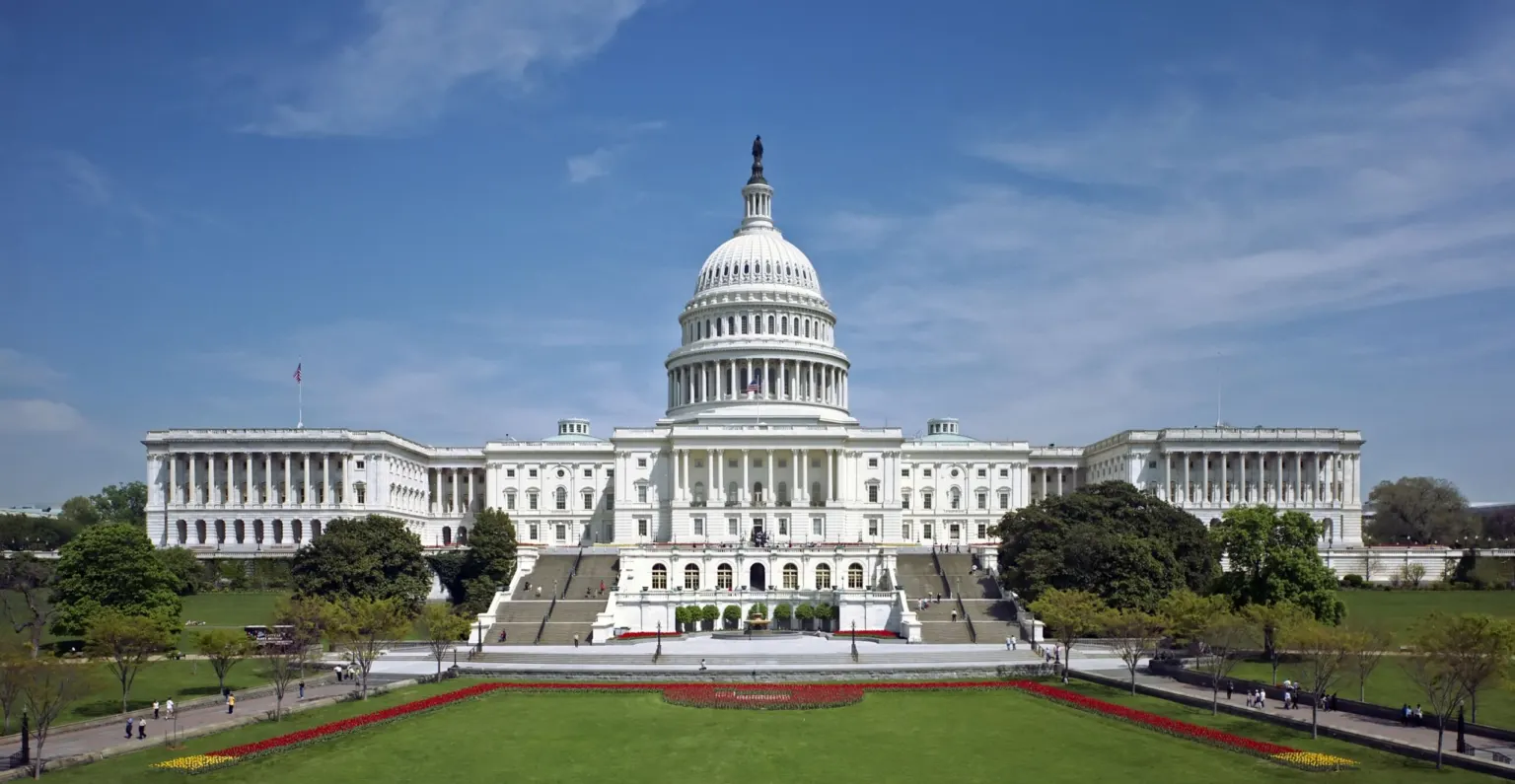
New Mexico shows the problem from the lending side. State law allows up to 6% of the Severance Tax Permanent Fund to be invested in film projects, up to $15m each. A film needs a distribution contract already in place and a mostly local crew, plus either a full repayment guarantee or a third of its budget from other sources, and a completion bond unless repayment is guaranteed. In its report of 1 December 2025, the governor’s film council called the system “moribund”, said strict requirements had “effectively nullified the program”, and put the cost of reviving it through the New Mexico Finance Authority at about 10.25%: a 6.25% market rate, 2% for a loan guarantee and 2% for administration.
The distribution condition matters most. Outside the studios, films are usually sold country by country, often once they are finished, so a loan that needs a buyer in place before the shoot shuts out many of the films it is meant to help. The film office now wants a one-time $150m appropriation for a new fund, its director, Steve Graham, told the Albuquerque Journal on 15 November, with loans capped at $7.5m or 60% of a budget, whichever is lower. The finance authority is drafting the bill for the 2027 legislative session; no text has been published.
Three public film schemes, as of 16 November 2026 Three film schemes, and what a producer can draw on now A rebate, a tax credit and a loan: the figures are not comparable with each other. The point is what a producer can use now. Sources: DTIC; Congress.gov; New Mexico statutes and Governor’s Council on Film and Media Industries; Albuquerque Journal. Compiled by FilmBunch.
Our reading
Our finding: in all three places the offer on paper is ahead of the money. South Africa is paying valid claims and cutting its liability, but for two years it gave new productions no approval to plan around. The US credit has broad support and no cost score. New Mexico has state money set aside for film in law, on terms its own film council says have made it unusable. Governments that put a budget behind a scheme look different: California has proposed at least $1bn a year for its credit, and Canada has divided a C$600m package among named funds. For a producer choosing where to shoot, the questions are how much is budgeted, how fast claims are paid and whether new projects are approved.
Next milestone: Parliament’s trade committee said in August that it would meet the department and the industry again this month, and the DTIC has promised revised guidelines without a date. Published new approval totals would show whether South Africa’s access has recovered. In the US, the test is a Joint Committee on Taxation score or the credit’s appearance in year-end legislation; in New Mexico, the bill text for the 2027 session.
How we compiled this
Liability figures are as reported at each date; the February 2026 figure is the department’s total “to date” at that hearing. Current rand amounts (the ZAR255m, the 2026/27 budget, the application queues and the industry’s loss estimate) are converted at the ECB reference rates of 30 June 2026 (€1 = ZAR18.6544 = $1.1394; ZAR16.37 to $1). Historical liabilities, approvals and payments are left in rand.
Sources
- Parliamentary Monitoring Group, Question NW5370 to the Minister of Trade, Industry and Competition, written reply of 30 October 2026
- National Assembly, written reply to Question 2376 (NW2504E), film incentive jobs and reimbursement model (PDF)
- Department of Trade, Industry and Competition, Engagement with the film and TV industry, presentation to the Portfolio Committee on Trade, Industry and Competition, 17 February 2026 (PDF, via PMG)
- Department of Trade, Industry and Competition, Reassurance notice: Film and Television Incentive Programme, August 2026 (PDF)
- Parliament of South Africa, Committee notes trade budget’s focus on economic growth and job creation, 21 April 2026
- Parliament of South Africa, Trade committee welcomes progress in reviving support for film and television industry, 11 August 2026
- GroundUp, Government paralysis costs film industry thousands of jobs and millions in revenue, 13 August 2026
- Save SA Film and TV Jobs Coalition, Film and television talks break down for a third time, statement of 2 November 2026 (via SAMDB)
- Department of Trade, Industry and Competition, Foreign Film and Television Production and Post-Production Incentive
- What Moved in Congress, S. 5552 status and cosponsors (Congress.gov data), read 16 November 2026
- What Moved in Congress, H.R. 10582 status and cosponsors (Congress.gov data), read 16 November 2026
- GovInfo, S. 5552 (IS), Motion Picture, Television, and Entertainment Revitalization Act, introduced 24 September 2026
- Governor’s Council on Film and Media Industries, 2025 Report and Recommendations, 1 December 2025 (PDF)
- NMSA 1978, § 7-27-5.26, Investment in films to be produced in New Mexico
- Albuquerque Journal, New Mexico eyes $150 million film loan fund to boost homegrown productions, 15 November 2026
- European Central Bank, euro foreign exchange reference rates (ZAR, USD), 30 June 2026