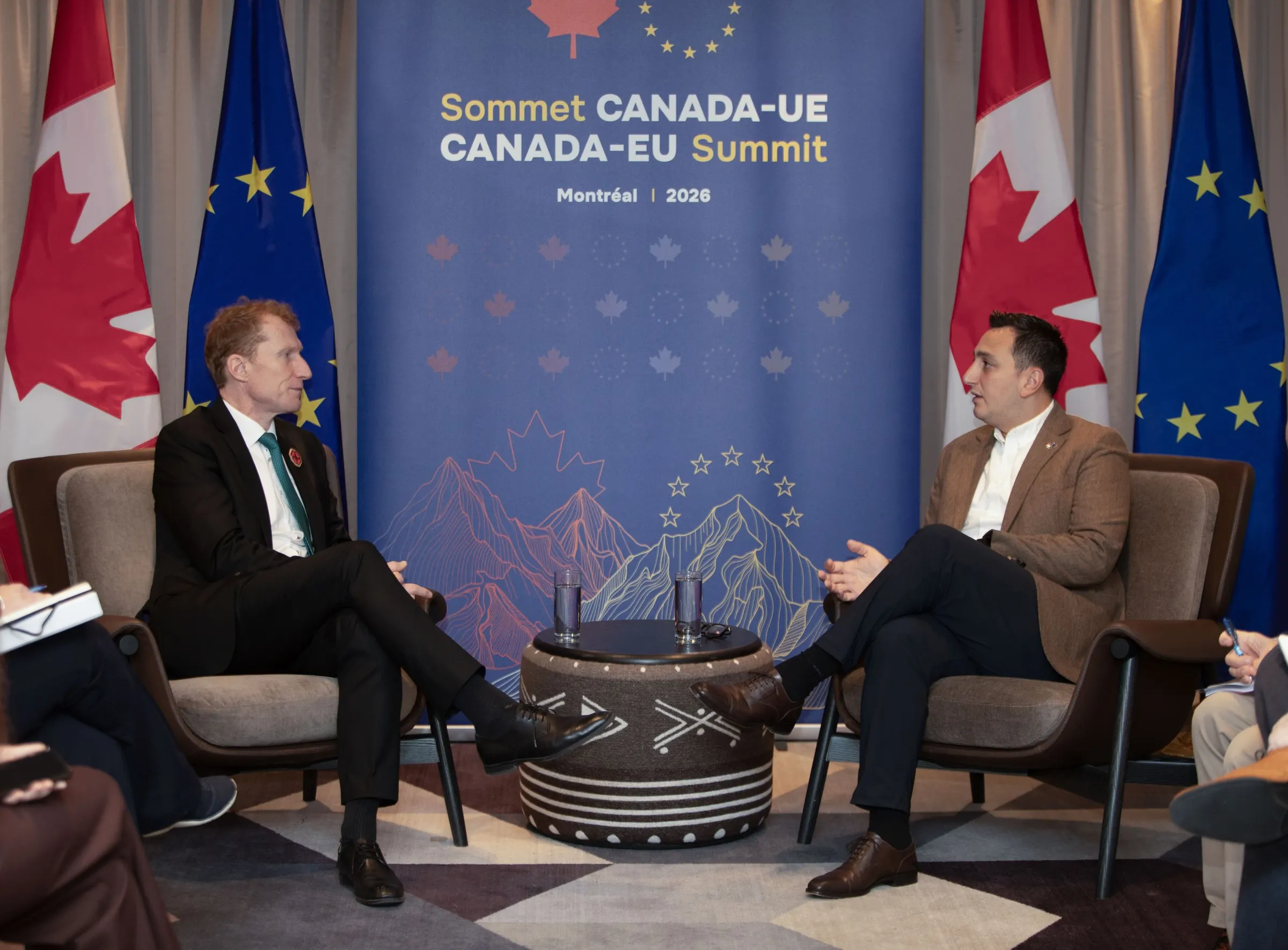

Canadian Heritage has set out where the C$600m ($425m) it promised the country’s screen, music and broadcast sectors will go in 2026–27, with the largest share, C$213.4m ($151m), going to the Canada Media Fund (CMF). Marc Miller, minister of Canadian identity and culture, announced the split in Gatineau on Sunday 8 November, three days after the federal budget confirmed the package, and his department published a backgrounder listing every recipient and amount.
For producers, the list settles the question that has hung over the money since June: who will hand it out. Ottawa has not built a new fund. Every dollar goes through programmes and institutions that already run application systems, so the detail producers need, the calls and guidelines, will come from the CMF, Telefilm Canada and the Indigenous Screen Office. The department says its partners will publish their own components as soon as possible.
Key facts
- Total: C$600m ($425m) of targeted support for the 2026–27 fiscal year, per the Canadian Heritage backgrounder
- Canada Media Fund C$213.4m; Telefilm Canada C$68.5m; Indigenous Screen Office C$51m
- Department-run line: C$185.1m for independent production funds, local and radio news, community radio and public-interest channels
- FilmBunch tally: the four screen-content lines add up to C$376.9m, or 62.8% of the package
- Telefilm’s C$68.5m equals 46% of the C$148.4m it gave the industry in 2025–26
Who gets what
The backgrounder lists the following allocations. Amounts are in Canadian dollars; conversions use the European Central Bank reference rates for 9 November 2026 (C$1.41 to the US dollar).
| Recipient | Purpose stated | Amount |
|---|---|---|
| Canada Media Fund | Canadian content across the value chain, with priority for francophone, children’s and interactive work, distribution and export | C$213.4m ($151m) |
| Certified independent production funds (department-run) | Black Screen Office, Canadian Independent Screen Fund, Broadcasting Accessibility Fund, Bell Fund, Independent Production Fund and others | C$44m ($31m) |
| Independent Local News Fund (department-run) | Independent local television news | C$80m ($57m) |
| Commercial Radio News Fund (department-run) | Commercial radio news, through the Canadian Association of Broadcasters | C$11.5m ($8m) |
| Community Radio Fund (department-run) | Operating support for community radio | C$7.5m ($5m) |
| Services of exceptional importance (department-run) | CPAC, APTN, TV5 Québec Canada and similar channels | C$42.1m ($30m) |
| Telefilm Canada | Canadian and Indigenous feature films, with “an audience-driven approach” | C$68.5m ($49m) |
| Indigenous Screen Office | Indigenous audiovisual production and promotion, and international collaborations | C$51m ($36m) |
| Canada Music Fund | Music, via FACTOR (C$31.5m), Musicaction (C$21m), Canadian Starmaker Fund (C$5.7m), Fonds RadioStar (C$3.8m) and the Indigenous Music Office (C$5m) | C$67m ($47.5m) |
| Northern Aboriginal Broadcasting | Indigenous radio and television content | C$10m ($7m) |
| Canada History Fund | Audiovisual programming | up to C$5m ($3.5m) |
The seventh line
The minister’s news release says the money runs through six existing programmes and institutions. The backgrounder shows a seventh channel: C$185.1m ($131m), almost a third of the total, is delivered by the department itself, although it sits in the same table row as the CMF. The fund’s own statement confirms the split, describing those lines as independent funds administered by Canadian Heritage. Only with that line included do the published amounts reach C$600m, and the C$5m for the Canada History Fund is a ceiling rather than a fixed sum.
The documents also cover a single fiscal year. Neither commits money beyond 2026–27, and every recipient has still to publish how it will spend its share. The CMF said it would work with the department and the industry to decide how to allocate its C$213.4m.
Why the money exists
Ottawa first promised the C$600m in June, when it also said it would update its directions to the Canadian Radio-television and Telecommunications Commission (CRTC) on regulating online streaming, “with a focus on affordability”. The Hollywood Reporter described the package in September as public money offered after Canada dropped plans to make US streamers foot the bill. The backgrounder says the CMF share will help offset declining contributions from cable and satellite companies, as well as “expected contributions from international streaming platforms”.
For features, Telefilm’s C$68.5m lands on top of C$148.4m in total support in 2025–26, the year it backed 126 new features. It also arrives as Canadian films’ box office takings rose 77% in the first nine months of 2026, according to Telefilm’s third-quarter market report.
Our reading
Routing nearly every dollar through existing funds gets the money to producers quickly, and the department presents it as stability while longer-term rules are settled. What the documents do not offer is a second year. Kevin Desjardins, head of the Canadian Association of Broadcasters, told Broadcast Dialogue the government has always described the support as multi-year and ongoing, and that its next directions to the CRTC will shape future funding. Until that is written down, a Canadian producer can plan on bigger CMF and Telefilm pots for 2026–27, but not yet for 2027–28.
The next evidence is in the funds’ own guidelines: how much of the CMF’s C$213.4m goes to new programmes rather than top-ups, how Telefilm splits its share between production and marketing, and how quickly the Indigenous Screen Office opens its calls.
Sources
- Canadian Heritage, Backgrounder: Administration and implementation of $600 million targeted support for Canada’s audio and audiovisual sectors, 8 November 2026
- Canadian Heritage, Minister Miller announces the rollout of $600 million targeted support to Canada’s audio and audiovisual sectors, 8 November 2026
- Canada Media Fund, CMF welcomes Government of Canada’s historic investment, 8 November 2026
- Broadcast Dialogue, Ottawa details rollout of $600M audiovisual fund, 9 November 2026
- The Hollywood Reporter, Canadian culture minister Marc Miller: ‘In a crisis, fortune favors the bold’, 14 September 2026
- European Central Bank, euro foreign exchange reference rates, 9 November 2026