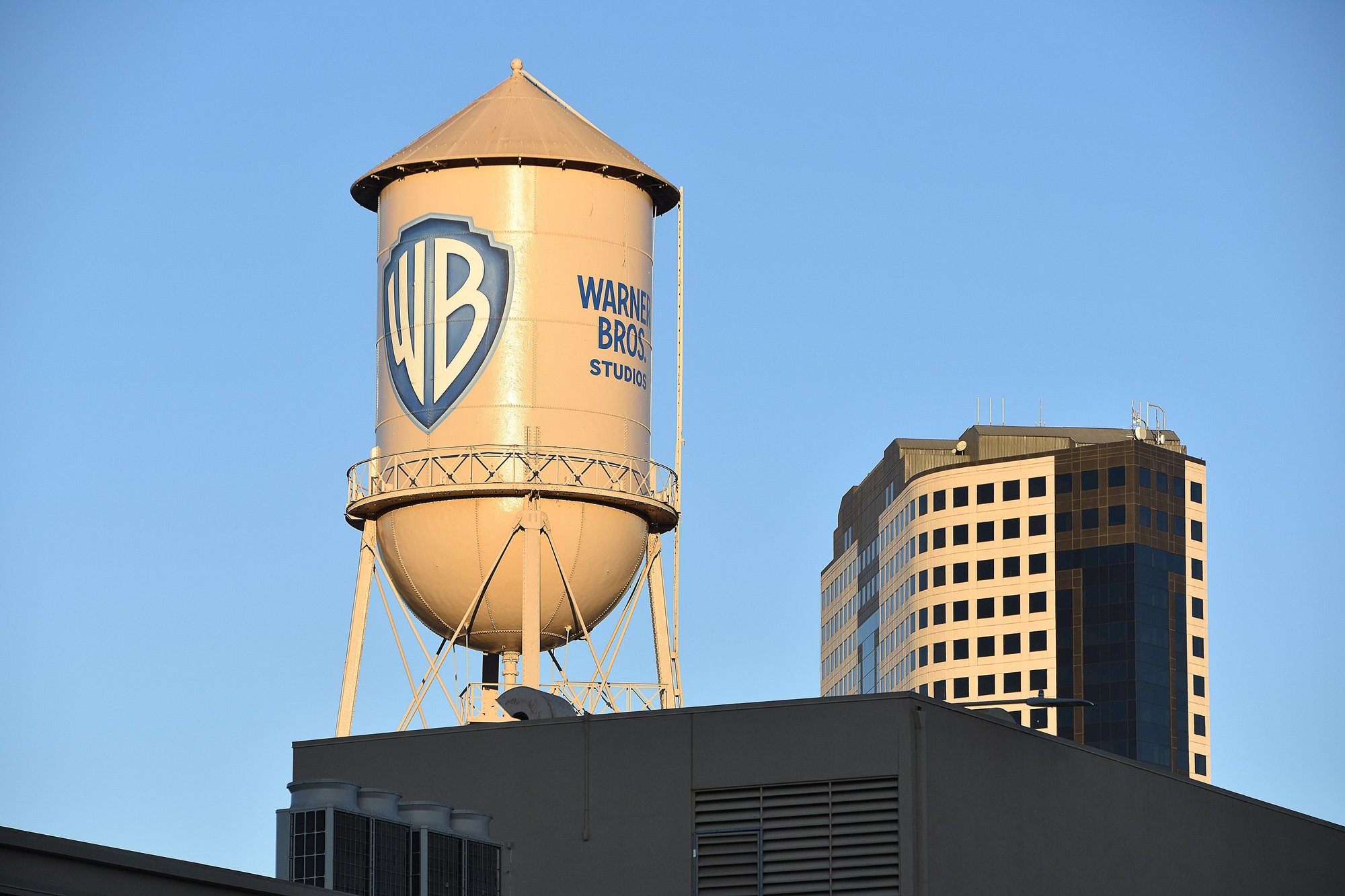
Paramount completed its acquisition of Warner Bros. Discovery on 6 October 2026, and the combined company is now named Skydance, with David Ellison as chairman and chief executive, according to Skydance’s own announcement. When we first reported the step, a court had approved the merger settlement and closing was expected on that date; it has since happened.
Updated 07:07 CET, 26 October 2026: adds the completed closing on 6 October, the Skydance company name, the figures behind the deal value, and the 30-film, 45-day commitment Ellison made at CinemaCon.
Key facts
- Paramount completed its takeover of Warner Bros. Discovery on 6 October 2026 (Skydance announcement).
- The combined parent is named Skydance, led by chairman and chief executive David Ellison.
- Reported headline values ranged from a roughly $110bn enterprise value to an $81bn equity value (Associated Press); the 8-K puts aggregate merger consideration at about $78bn.
- Ellison has committed to at least 30 theatrical releases a year, each with a minimum 45-day exclusive cinema window.
- Both the Paramount and Warner Bros. film labels are being kept.
Two of the biggest names in American film now answer to one owner. For a producer, sales agent or distributor outside the United States, the question after a deal this size is not the logo on the letterhead but how many separate conversations the business can still hold: how many buyers for a territory, how many greenlight routes, how many windows to negotiate. On that point the detail matters more than the price.
The reported price depends on which figure is quoted. Trade and business coverage, including TheWrap, framed the transaction around an enterprise value near $110bn. The Associated Press reported an equity value of about $81bn. The company’s own 8-K filing to the Securities and Exchange Commission describes aggregate merger consideration of roughly $78bn. The three numbers are not in conflict; they measure different things, and anyone comparing this with earlier media mergers should be clear which one they mean.
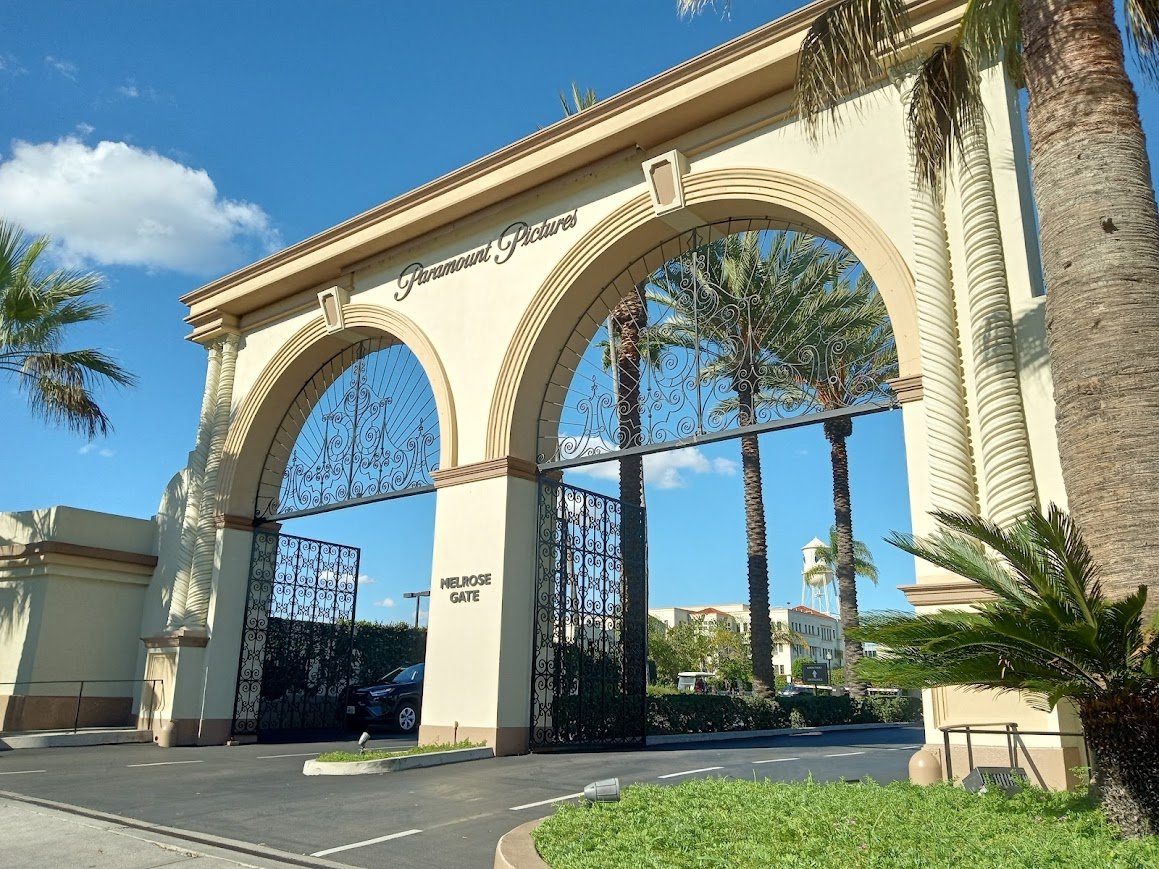
Ellison has kept the argument he made to exhibitors in April 2026, when he addressed theatre owners at CinemaCon. Skydance says the combined company will release at least 30 films a year in cinemas, each held in an exclusive theatrical window of at least 45 days before any home release. That promise was a selling point to an exhibition sector worried that a larger owner would push films to streaming sooner, and it now sits inside the closed company rather than in a pledge from a bidder.
The name resolves a second question we covered separately. David Ellison had said the combined parent would carry the Skydance name while the two studio identities continued; that is now the registered outcome. The practical reading has not changed: a corporate name says less than the authority of the teams beneath it, and the integration of overlapping divisions, from distribution to international sales, is where partners will feel the effect.
The merger also lands in a market already arguing about the cinema window and the room itself. Our coverage of Universal’s longer theatrical window and of the $2.7bn North American cinemas say they spent on refurbishment shows studios and exhibitors pulling on the same rope from opposite ends. A 45-day commitment from a company this large is a meaningful data point in that argument.
Our reading
Fewer owners does not automatically mean fewer agreements per film, and that is the number that matters to a seller. A single parent can still run two distribution arms, two international teams and two label strategies, or it can consolidate them; the deal documents do not settle that, and the first integration decisions will. Watch three things: whether Paramount and Warner Bros. keep separate international sales and acquisitions desks, whether the 45-day window holds once a quarter underperforms, and where duplicated territory offices are cut. Those choices, not the $78bn to $110bn range, will tell partners how many doors remain open. For anyone tracking how a finished film actually reaches audiences, this is the ownership backdrop to the week’s smaller deals, which we set out in who is actually taking films to audiences.