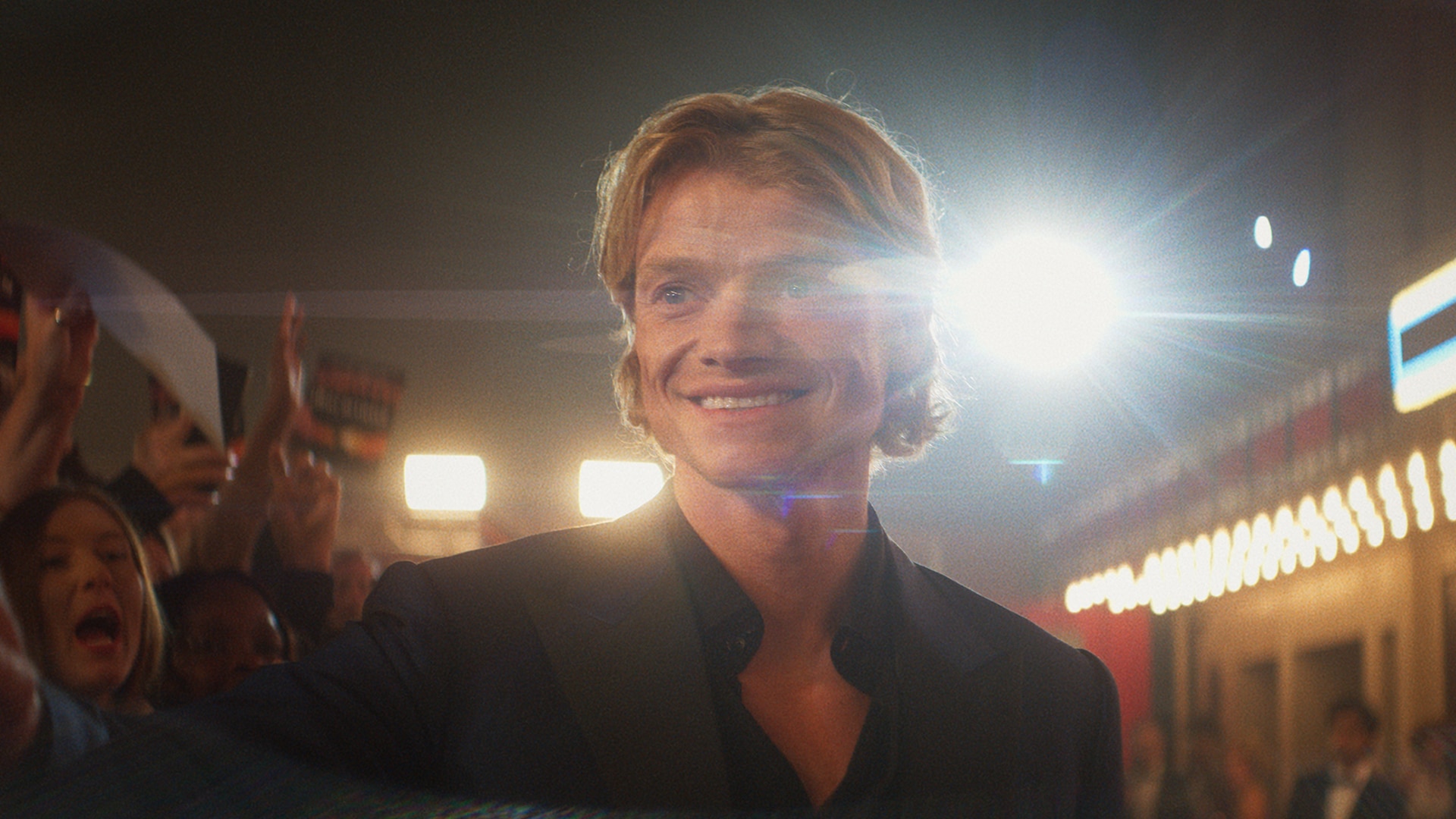
Warner Bros. and DC Studios’ Clayface opened at No. 1 in North America with an estimated $24m from 3,458 cinemas over 23–25 October, according to Sunday studio estimates reported by Variety and Deadline. A24’s documentary You Can See Everything was second with $19.5m, 25% more than it took on its opening weekend.
Key facts
- Clayface (Warner Bros./DC Studios): an estimated $24m in the US and Canada, $19m from 76 other markets, $43m worldwide.
- You Can See Everything (A24): $19.5m in its second weekend, up 25%, after widening from 855 to 2,655 cinemas; $45.1m total.
- Laika’s Wildwood opened third with about $11m; Black Bear’s Wicker opened fifth with $5.75m.
- The whole North American market took about $101m, up 33% on the same weekend last year, per Deadline.
- All figures are Sunday estimates; actuals follow on Monday.
The weekend’s more useful number is in second place. A three-hour documentary about the Theranos founder Elizabeth Holmes, co-directed by Nathan Fielder and Lance Oppenheim, grew its weekend gross after tripling its cinema count. Second-weekend rises are common for platform releases, but they usually come from a much smaller base than a $15.6m opening. For distributors weighing a narrow launch against a wide one, A24 has just produced a clean test case.
The top five
| Rank | Film (distributor) | Weekend | Change | Cinemas | Total |
|---|---|---|---|---|---|
| 1 | Clayface (Warner Bros.) | $24m | new | 3,458 | $24m |
| 2 | You Can See Everything (A24) | $19.5m | +25% | 2,655 | $45.1m |
| 3 | Wildwood (Fathom/Laika) | $11.2m–$11.6m | new | 2,718–2,942 | same |
| 4 | Street Fighter (Paramount) | $8.6m | −72% | 3,575 | $46.9m |
| 5 | Wicker (Black Bear) | $5.75m | new | 1,471 | $5.75m |
Variety and Deadline differ on Wildwood: Variety gives $11.2m from 2,718 venues, Deadline $11.6m from 2,942. We show both until the actuals settle it.
Clayface: the low end of the studio’s range, on a smaller bet
The opening sits at the bottom of the $25m–$35m Warner Bros. had expected, Variety reported. The film cost $44m to produce, both trades say, which puts it far below DC’s summer release Supergirl ($170m budget, $126m worldwide, per Variety). Directed by James Watkins from a Mike Flanagan script, the R-rated body horror stars Tom Rhys Harries as an actor whose face is destroyed. Audiences gave it an A- CinemaScore.
Two details from Deadline matter for exhibitors. The film had no Imax screens, because Street Fighter held them for a second week, yet premium large formats delivered close to half its gross. And it is the second consecutive No. 1 opening for the combined Paramount and Warner Bros. after Street Fighter’s $31m start the weekend before. Deadline also reported that the merged studio passed $1bn at the North American box office year to date, the fourth distributor to get there in 2026 after Universal, Disney and Sony. For background on the merger, see our report on the Paramount–Warner closing.
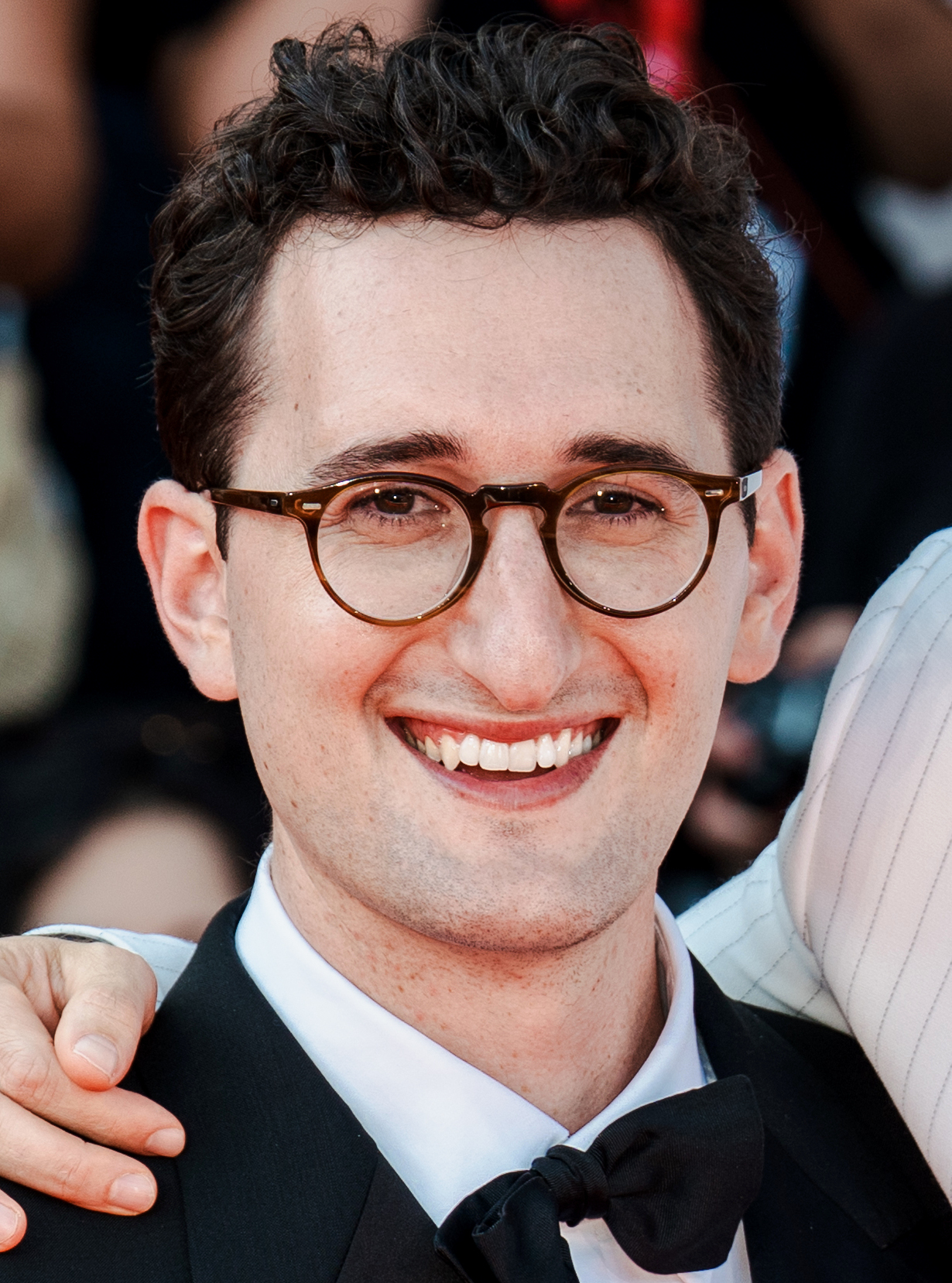
You Can See Everything: a platform release that paid
A24 opened the film in 855 cinemas to $15.6m, which Variety called the best start for a non-musical documentary in 20 years. It then added about 1,800 locations. Variety puts the production cost at $7m, so the film has already grossed more than six times its budget at home before any revenue outside North America. Deadline’s exit polling showed audiences split evenly between men and women, with two-thirds under 35. Deadline also reported that some in the business see $80m in North America as a possible final total; that is a forecast, not a result.
The rest of the chart
Wildwood, Laika’s first feature since Missing Link in 2019, opened well above that film’s $6m start, and above the $6m–$8m Variety says was projected. It also carries a $100m budget and has taken $3m from 11 markets outside North America so far. Laika is releasing through Fathom rather than a studio.
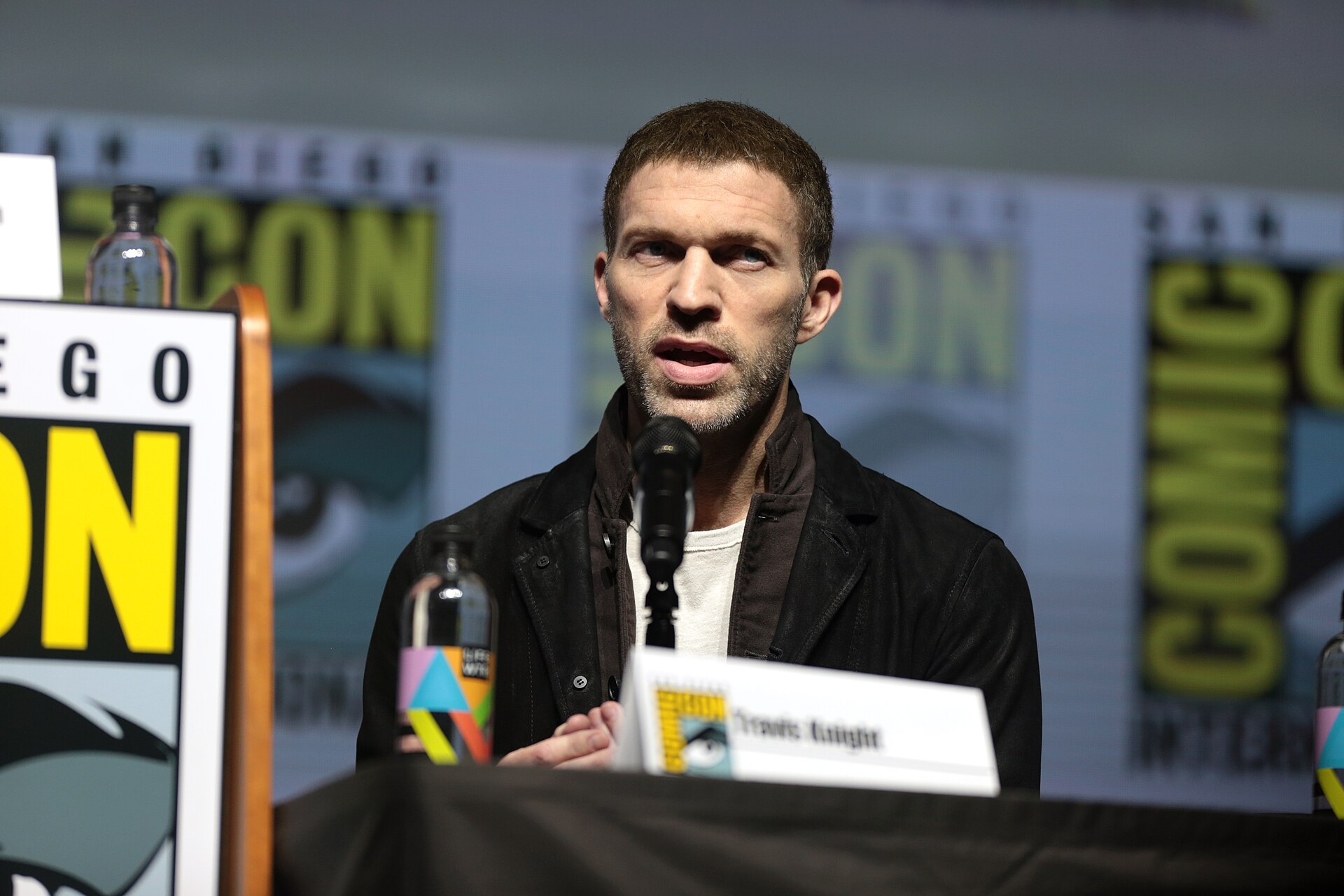
Black Bear paid $2.5m for Wicker after Sundance, Variety reported, and the Olivia Colman comedy grossed more than twice that price in its first three days. Black Bear’s share of those ticket sales and its marketing spend are not disclosed. Black Bear has been reshaping its US distribution team, as covered in our report on Benjamin Kramer’s planned exit. Street Fighter, co-financed by Legendary and Capcom for $82m, fell 72% to $8.6m and stands at $79.6m worldwide. Sony’s Klara and the Sun, directed by Taika Waititi, took about $720,000 from 880 locations. Netflix’s La Bola Negra added $245,000 from nine cinemas and holds a 45-day theatrical window before it streams on 2 December.
Halloween falls on Saturday 31 October, which Deadline expects to depress next weekend’s total.
Our reading
A narrow opening is usually read as a lack of confidence. A24 used it as a launch tool: scarcity and sellouts in under 900 cinemas, then a wide release into demand that already existed. The case is strongest for films that cost little and depend on talk rather than advertising, which describes most documentaries and much of the specialty slate. It is weaker for anything that needs Imax and a single big opening, as Clayface did. Studios that worry about keeping audiences off the sofa now have a counter-example that cost $7m.
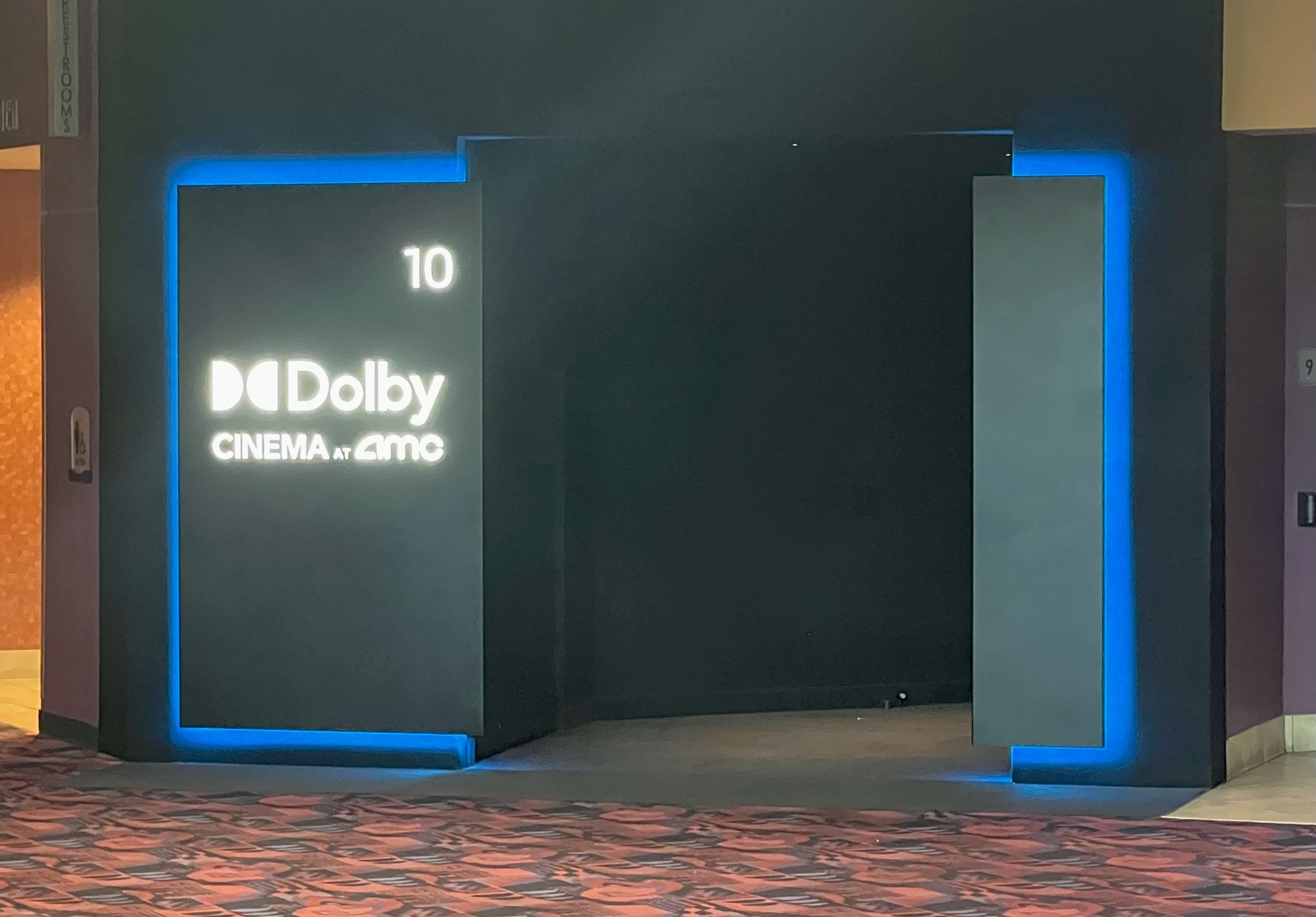
On Clayface, the budget changes the meaning of the number. A $24m start would be a problem for a $170m film; for a $44m production with an A- exit score and strong premium-format share, it is a workable base. The next evidence is Monday’s actuals, then the second-weekend drop on a Halloween Saturday, when both films face a weak frame together. For how cinemas are investing in the premium screens that carried Clayface, see our report on $2.7bn of refurbishment spending.