Spain’s Instituto de la Cinematografía y de las Artes Audiovisuales (ICAA) has awarded €31.5m ($35.2m) in 2026 selective aid to 70 feature film projects, chosen from 409 applications, the Ministerio de Cultura announced on 27 October. The final resolution, signed by ICAA director general Marta Serrano San José the day before, puts the five largest grants, €1m each, into animated features.
Key facts
- €31.5m in selective production aid for feature projects, 2026 call, final resolution of 26 October 2026
- 70 projects funded out of 409 applications: 36 fiction or animation, 24 documentaries, 10 experimental
- 49 of the 70 are international co-productions; in 37 of them the Spanish share is the larger one
- Five animated features receive €1m each, the largest awards on the list
- 2025 comparison: €37m for 98 projects out of 444 applications
The selective line is the ICAA’s competitive fund for projects of special cinematic, cultural or social value, documentaries and experimental work. A committee scores each application and objective points are added on top. This year’s total is €5.5m lower than in 2025 and goes to 28 fewer projects, as box-office.es pointed out. The call, published on 31 December 2025, started with €20m; top-ups of €10m in June and €1.5m in September took it to the final figure, the resolution shows.
Where the money goes
By our addition of the resolution’s annexes, the 36 fiction and animation projects share €25.06m, the 24 documentaries €4.76m and the 10 experimental films €1.68m, which adds up to the full €31.5m. The ICAA gives these shares of the money:
- Directed solely by women: 46.09%
- Animation: 19.76% (10.70% in 2025)
- Documentary: 15.12%
- Minority co-productions: 8.40%
- Experimental: 5.34%
The call set minimum shares of 40% for women directors, 15% for documentaries (capped at 25%), 10% for animation and 5% each for experimental work and minority co-productions.
Of the 351 admitted projects, 146 were directed solely by women and 31 of those were funded, the ministry says. By the lead producer’s base, Catalonia has 20 projects, Madrid 14, Galicia nine, the Valencia region and the Canary Islands seven each, the Basque Country six, Andalusia four, the Balearic Islands two and Aragon one.
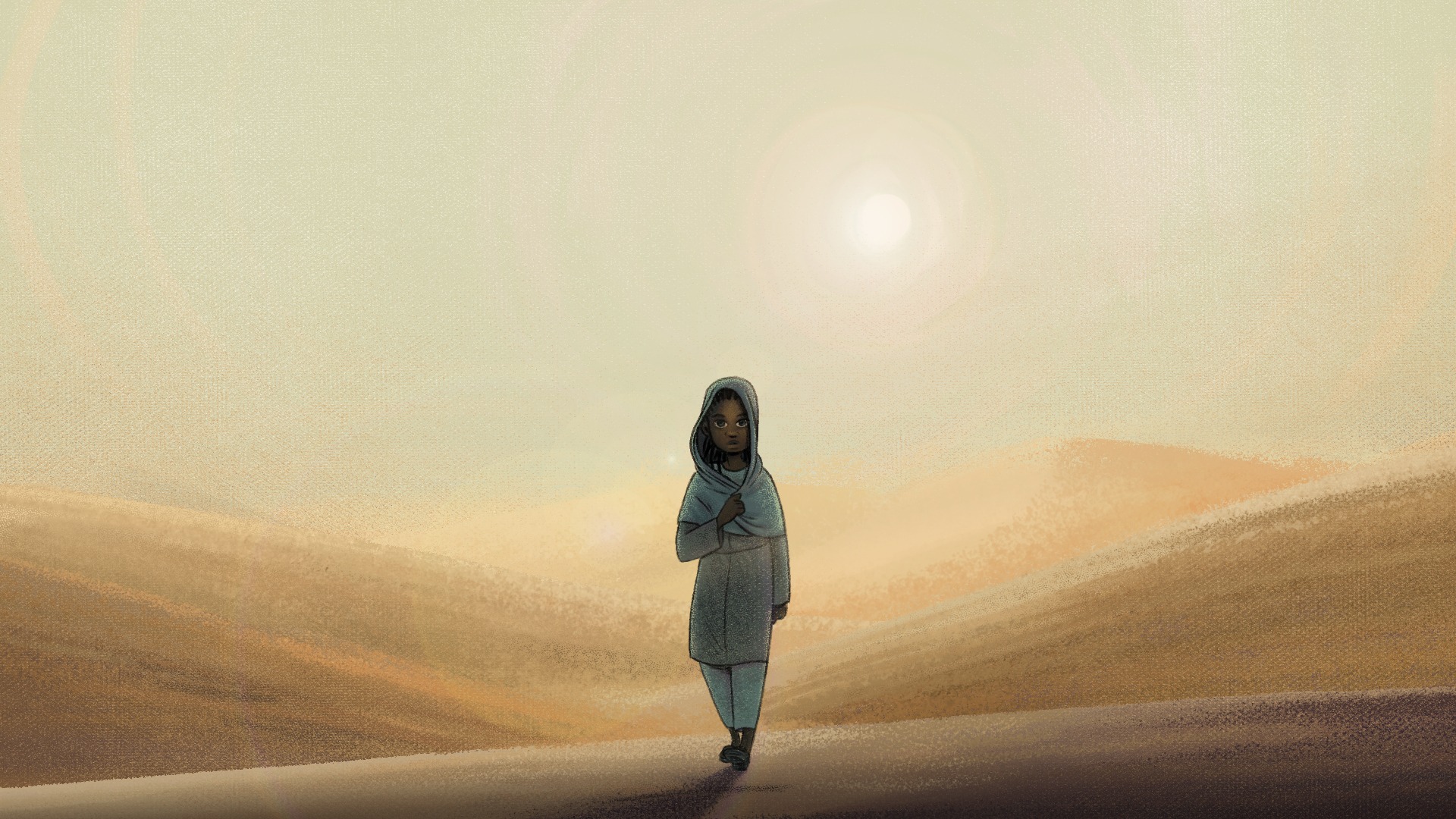
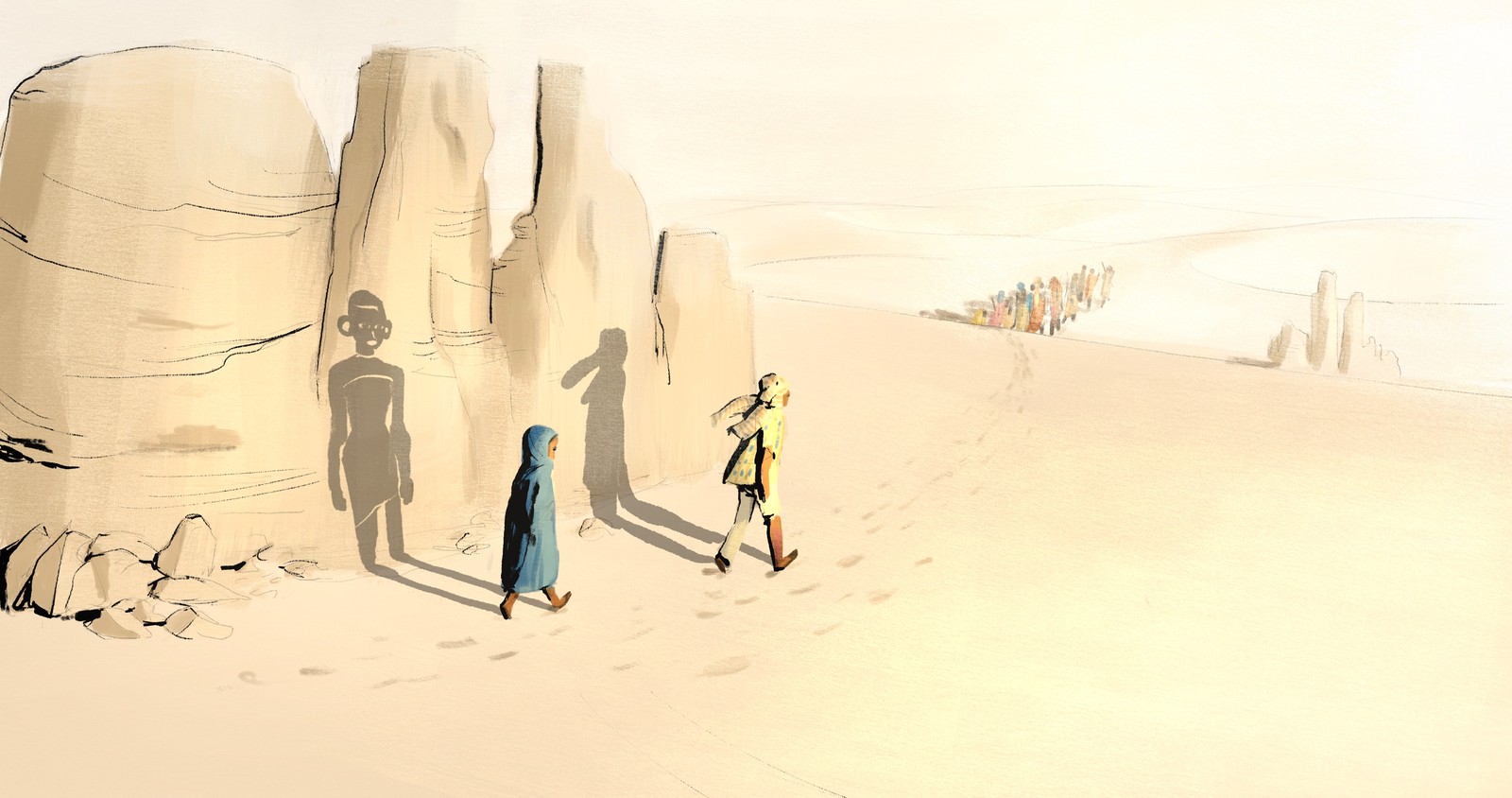
The five €1m awards went to Hàbitat, the first stop-motion feature from Anna Solanas and Marc Riba, produced by Cornelius Films; Carmen y la cuchara de palo, filed by Cucufata Films; Amalur Profezia, Myriam Ballesteros’s 2D fantasy drawn from Basque mythology; Aya en el desierto, Julia Horrillo’s 2D drama about an Ivorian girl who lands in Cádiz disguised as a boy, from Alhena Production; and Nora eta Anbotoko Dama, Uxue Artetxe’s Basque-language fantasy, developed by UniKo. No live-action, documentary or experimental project got more than €800,000.
The highest score, 90.73 points, went to Adiós amor, a live-action project from Elástica Films with Las Montañas del Canadá and Debut Films, which receives €800,000 against a Spanish budget of €1.81m. Elástica, now shooting La Regenta for Netflix, also gets €300,000 for Te amo y hoy todo es hermoso. The largest documentary grant, €391,062, goes to a project filed by El Mercader en la Sombra of Las Palmas, listed under the working title Paesa, de profesión… The last fiction project funded, La hija bastarda, receives €536,214, the amount left once the other grants were paid.
What comes next
Each grant is paid in one instalment once the award is notified, provided the producer has paid at least 33% of the screenplay fee and is up to date with tax and social security. A further 153 projects passed the minimum score and stay on the reserve list; 128 fell short and 58 were excluded. The ICAA’s provisional proposal of 21 July had €30m for 67 projects; the final resolution puts the change down to withdrawals, exclusions and the September top-up.
For the state of Spanish cinemas this autumn, see our report on La bola negra; more public-funding news is in Money & Policy and under our animation tag.
Our reading
The selective fund is shrinking while its animation share grows. At 19.76%, animation took nearly double its 10% floor, and every €1m grant went to an animated project. For Spanish animation producers, a €1m award is public money already in the finance plan when they look for co-production partners.
For everyone else the odds are long: about one admitted project in five was funded, and 153 that qualified got nothing. The next evidence will be the 2027 call, the money reserved in it and whether the ICAA again needs mid-year top-ups to reach its final figure.
Sources
- Ministerio de Cultura, press release, 27 October 2026
- ICAA, final resolution of the 2026 selective aid for feature projects (signed 26 October 2026), with annexes
- ICAA, provisional resolution proposal, 21 July 2026
- box-office.es, 27 October 2026
- Europa Press, 27 October 2026
- ICAA, final resolution of the 2025 selective aid for feature projects
- Ministerio de Cultura, selective aid updates page (2025 call caps)
- Alhena Production, Aya in the Desert project page
- Audiovisual451, 23 February 2026 (Aya en el desierto at Cartoon Movie)
- Audiovisual451, 24 February 2025 (Amalur Profezia at Cartoon Movie)
- Basque Audiovisual, Nora eta Anbotoko Dama
- Dones i Cinema, Carlota Darnell profile (Hàbitat, Cornelius Films)
- ECB euro reference rate, 26 October 2026 (EUR/USD 1.1188, via Frankfurter)