
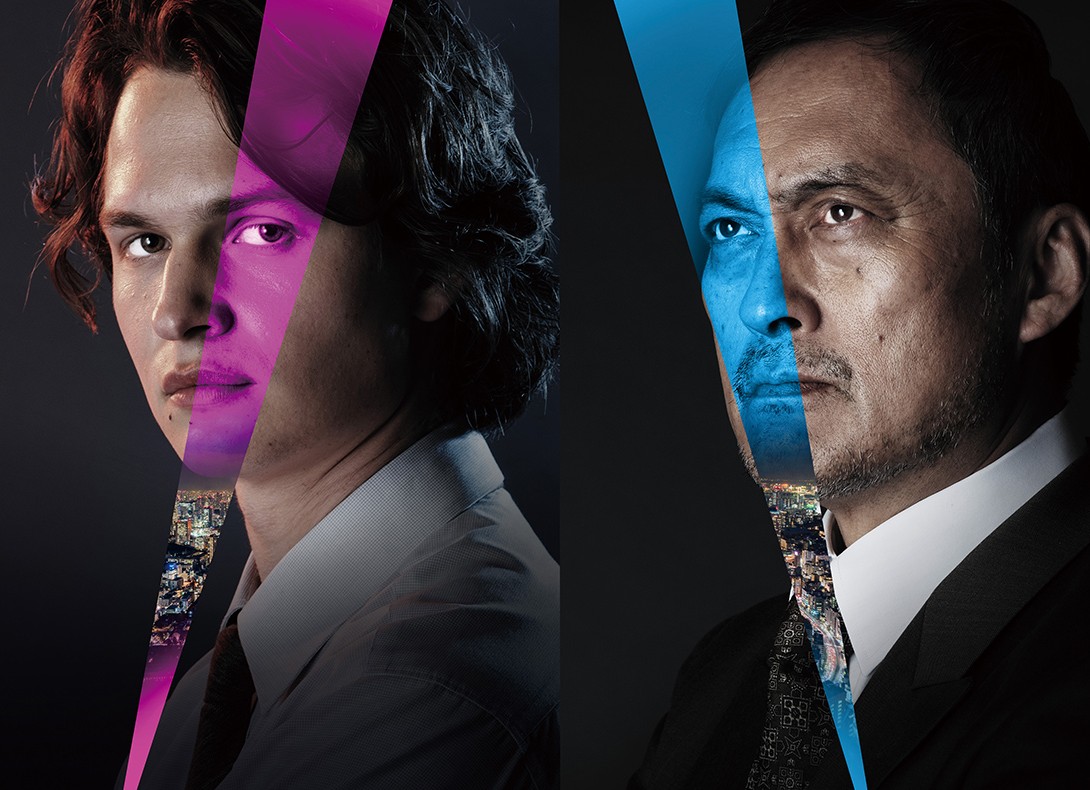
TOKYO – Alex Boden, the producer of the HBO Max and WOWOW series Tokyo Vice, asked Japan on Tuesday 27 October to cut the ¥800m ($5.1m) minimum local spend in IP360, the country’s production incentive for foreign shoots, and to replace panel selection with automatic approval. He spoke at the Motion Picture Association (MPA) seminar held during the Tokyo International Film Festival, according to Deadline and Variety. Debra Richards, a Netflix director for Asia-Pacific production affairs, told the same session that a lower rebate would be acceptable if producers could count on it.
Key facts
- Event: 17th MPA Seminar, “Strengthening Japan’s Production Environment”, Tokyo Midtown Hibiya Hall, 27 October 2026, co-organised by UNIJAPAN
- Scheme: IP360 menu 4, run by the Ministry of Economy, Trade and Industry (METI), pays half of eligible Japanese spend, up to ¥1.5bn ($9.5m) per project
- Entry bar: at least ¥800m of production spend in Japan, and a Japanese applicant whose best title as lead producer earned ¥1bn ($6.4m) or more
- Current round: the third call for menu 4 closes at 17:00 JST (09:00 CET) on Wednesday 28 October, with results due in late November
- Government: a Cabinet Office task force on a single content support body met for the first time on 22 October
The pitch matters to any producer pricing Japan as a location. Deadline counts Tokyo Vice as the first of a run of foreign shoots in the country, followed by Rental Family, Drops of God and Neuromancer, all filmed before the current rules.
What the speakers asked for
Boden opened the session. Deadline reported that he welcomed a larger pot, support for more projects and a two-year application window, then set out the gaps. Most Japanese features cost between $1.5m and $3m, he said, so a floor of about $5m in local spend shuts out independent and lower-budget projects. He also said the scheme favours companies that have already handled big budgets, when Japan does not yet have enough such producers, and asked for a simpler approval process. He named Shōgun and Pachinko as Japan-set series that scouted in the country but filmed elsewhere.
Richards made the case for predictability. Deadline quoted her as saying a lower incentive is fine “so long as it’s certain” and the criteria are clear, and calling the current process “opaque”, because applicants can only infer why they were turned down by studying who was approved. She also argued that local and international productions should not compete for separate pots, and said the biggest production hubs, including Australia, Canada and the UK, support both under one scheme. Variety described her as Netflix’s production policy director.
Paul Muller, the MPA’s vice president for production policy in Asia-Pacific, said steady rules had helped Australia and Thailand, and credited METI with moving to two-year funding, Deadline reported. The MPA is the trade body for Netflix, Amazon and the major Hollywood studios.
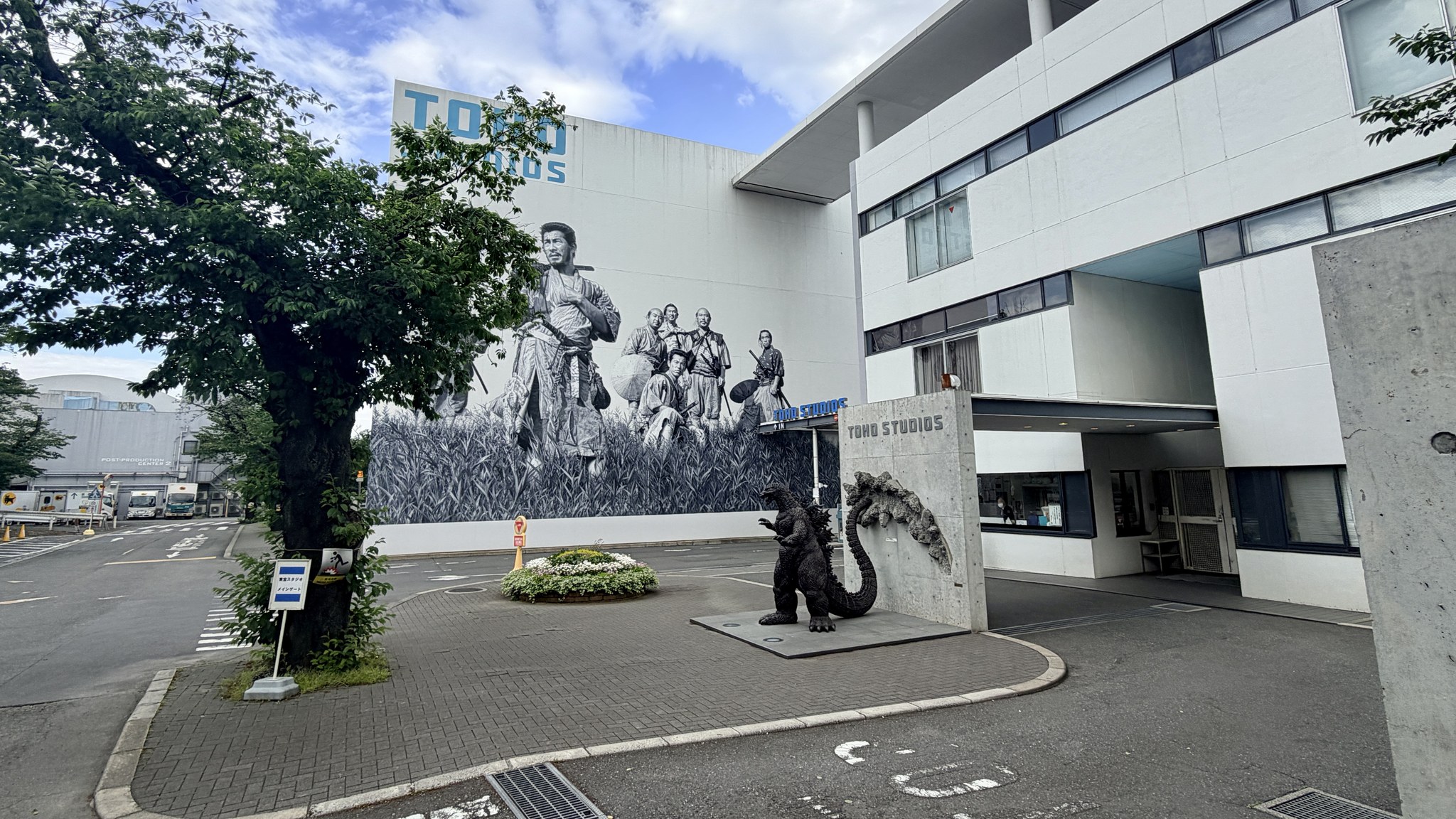
The fourth panellist was Georgina Pope, president of TOHO Tombo Pictures, the production services company set up at Toho Studios in March 2023. Deadline cited her work on Marty Supreme and The Smashing Machine, and her view that local crews gain confidence and new skills from foreign shoots.
What the rules say
METI’s guidelines for the third call set out the terms the speakers objected to. When applications exceed the budget, they are ranked and an outside committee of experts picks the winners. Support can run for up to two years, to February 2028, and the per-project ceiling rose to ¥1.5bn from ¥1bn under the earlier JLOX+ programme. The scheme is funded from the 2025 supplementary budget, part of the government’s goal of ¥20tn ($127bn) in overseas content sales by 2033, which Prime Minister Sanae Takaichi restated at the festival’s opening, as we reported on 26 October.
The Cabinet Office’s task force on a unified content industry support body was set up on 16 October and first met on 22 October. Toho’s president, Hiroyasu Matsuoka, is one of its members. The Yomiuri Shimbun reported that the body would run subsidies now spread across METI, the Agency for Cultural Affairs and the communications ministry, could be set up as early as the next fiscal year, and would need a bill in the 2027 ordinary Diet session. Content strategy minister Toshiharu Furukawa said on 20 October that it would be a support body, not a public–private investment fund, Advertimes reported. Its budget, legal form and start date have not been decided, and no change to IP360’s thresholds has been announced.
Dollar figures use European Central Bank reference rates for 26 October. More from the festival: the Tokyo jury on the FIAPF A-list, and our Money & Policy coverage.
Our reading
Half of eligible spend up to ¥1.5bn is a generous offer. The seminar’s complaint was about access and timing. A rebate that depends on a committee’s ranking in a given round cannot be counted as finance until the result arrives, and the ¥800m floor sits above the whole budget of most Japanese features, if Boden’s $1.5m–$3m range is right.
The new Cabinet Office body is the first moment when these rules could be rewritten as a whole rather than tweaked between calls. The evidence to watch is the task force’s next papers, and whether METI’s next call keeps the floor, adds an automatic route or opens a lower tier for smaller productions.
Sources
- Tokyo International Film Festival, “39th TIFF Co-hosted / Allied Events” (MPA Seminar listing), 1 October 2026
- Tokyo International Film Festival, events list, 23 October 2026 (Japanese)
- Ministry of Economy, Trade and Industry, IP360 call guidelines, menu 4 (location attraction support), via VIPO, 30 September 2026 (Japanese, PDF)
- VIPO, IP360 large-scale production and distribution platform support page (Japanese)
- Japan Arts Council, IP360 menus 4 and 5 third call, 30 September 2026 (Japanese)
- Cabinet Office, Intellectual Property Strategy Promotion Secretariat, task force on a unified content industry support body (Japanese)
- Cabinet Office, task force terms of reference and members, 16 October 2026 (Japanese, PDF)
- TOHO Tombo Pictures, company page
- Deadline, 27 October 2026
- Variety, 27 October 2026
- Yomiuri Shimbun, 17 October 2026 (Japanese)
- Advertimes, 20 October 2026 (Japanese)
- European Central Bank euro reference rates, 26 October 2026