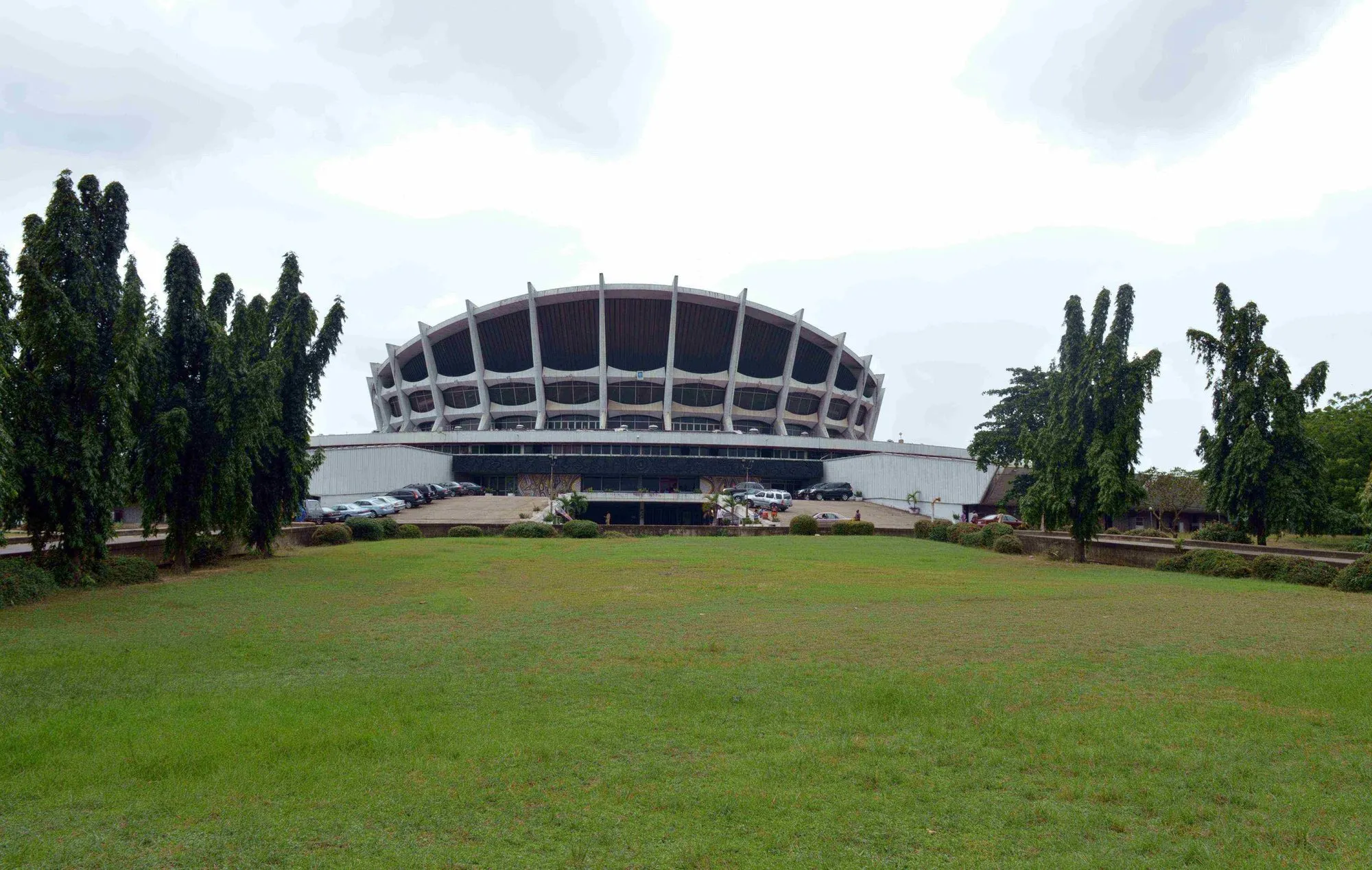

Afreximbank opened Creative Africa Nexus (CANEX) WKND 2026 in Lagos on 6 November, restating a US$2 billion financing commitment to Africa’s creative and cultural industries through 2027 and putting film and television inside a wider Deal Room push for production finance, distribution and intellectual-property ownership.
Key facts
- Event: CANEX WKND 2026, Lagos, opened 6 November (four-day gathering; Afreximbank organiser with the Federal Government as host)
- Bank commitment: US$2 billion for African creative industries through 2027 (Afreximbank statement)
- Nigeria package: US$118 million in facilities and a grant announced at the opening (BusinessDay: $75m with DBN; $30m financing plus $13m grant with NEXIM and SMEDAN)
- Broader Nigeria pipeline: iDICE programme cited at more than US$600 million (Guardian Nigeria; BusinessDay gives $617m)
- Film track: Pan-African Film Fund (launched May 2025 under CANEX; FEDA and One Street Studios named co-general partners in July 2026, aiming to mobilise up to US$1 billion) referenced on the opening stage
What opened in Lagos
Afreximbank’s release frames the weekend around finance, ownership and market access rather than a single film premiere. Vice President Kashim Shettima, speaking for President Bola Tinubu at the Wole Soyinka Centre for Culture and Creative Arts, said Africa should convert cultural recognition into contracts and markets. “Creativity is now a trade sector, and we intend to treat it as one,” he said, according to Guardian Nigeria and BusinessDay.
Afreximbank president George Elombi put a number on the gap. Citing United Nations Economic Commission for Africa estimates, he said Africa’s creative economy is worth about US$60 billion, or roughly 2% of the global creative industry. Production money alone, he argued, will not fix low value capture if distribution, branding, catalogues and intellectual property sit elsewhere.
Minister of Industry, Trade and Investment Jumoke Oduwole said more than US$500 million in proposed transactions were already under discussion in deal rooms co-curated with Afreximbank. Afreximbank puts attendance at more than 15,000 delegates. Punch reports the bank wants to beat the more than US$540 million in deals facilitated at CANEX WKND 2024 in Algiers.
The Nigeria money on the table
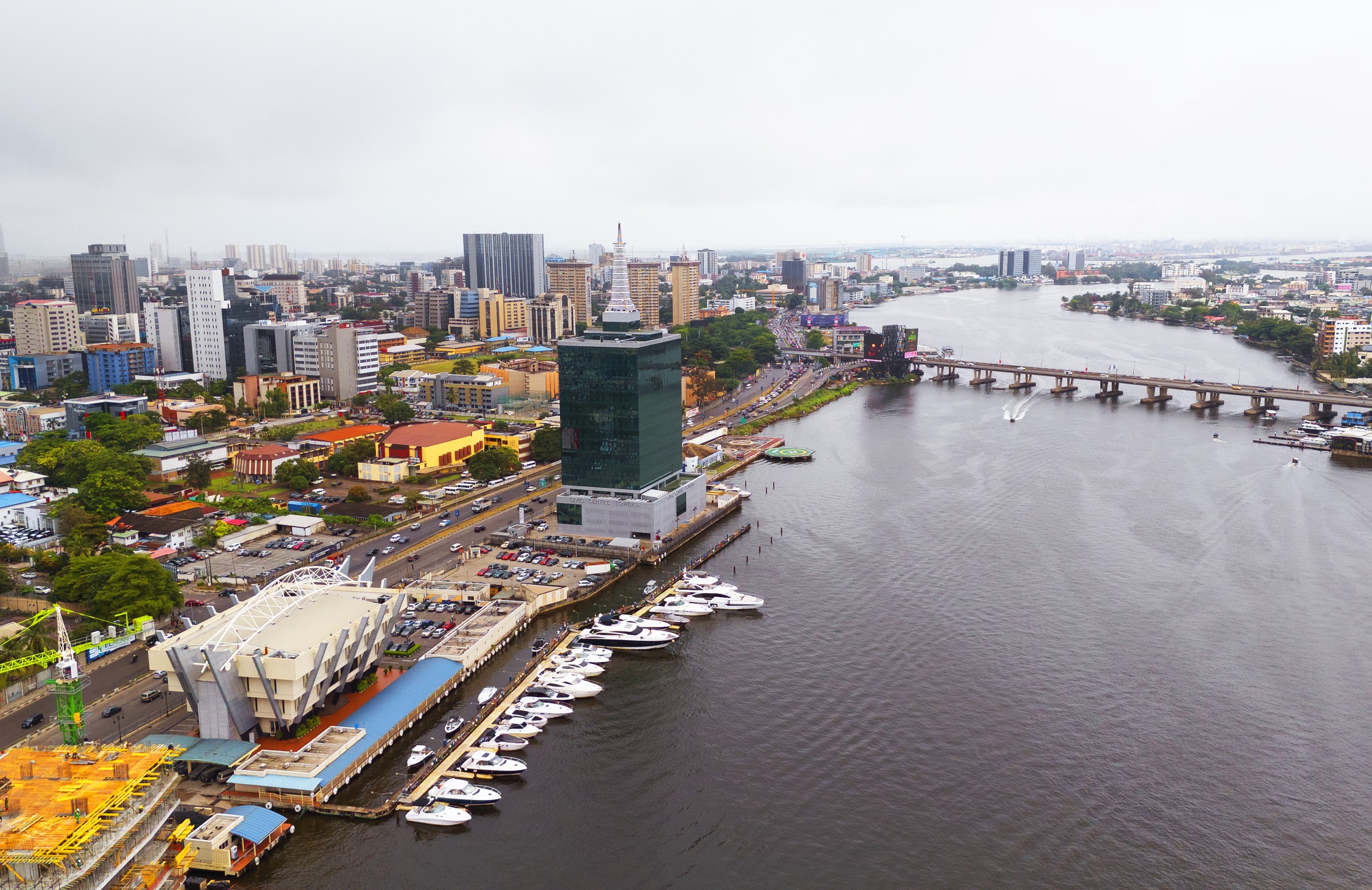
BusinessDay reports three new instruments signed at the opening: a US$75 million facility involving Afreximbank and the Development Bank of Nigeria; a US$30 million financing arrangement; and a US$13 million grant involving the Nigerian Export-Import Bank, SMEDAN and Afreximbank. Those figures are BusinessDay’s; Afreximbank’s own opening release does not break them out line by line.
Alongside that package sits iDICE, the Investment in Digital and Creative Enterprises programme run through the Bank of Industry. Guardian Nigeria puts the envelope at more than US$600 million; BusinessDay uses US$617 million and says iDICE is an official Deal Room partner targeting 15–20 businesses and 40–50 investor meetings. Neither outlet publishes term sheets, eligibility rules or a drawdown timetable. For film and television producers, announced envelopes are not accessible capital: who can borrow, against what collateral, and how fast money moves after a Deal Room handshake will decide whether Nollywood treats CANEX as a financing market or a policy stage.
Where film sits in the CANEX stack
Elombi told the opening audience that Afreximbank has a Pan-African Film Fund for production and distribution and is investing in African films through CANEX, Guardian Nigeria reports. That fund is not a 6 November launch: Afreximbank says it started under CANEX in May 2025, and in July 2026 the bank and FEDA named One Street Studios co-general partner of a vehicle aiming to mobilise up to US$1 billion across content, infrastructure and distribution. The AFRIFF Film & Content Market, which ran earlier in the Lagos week, scheduled a CANEX Day on financing African creativity, while the AFRIFF Globe Awards close the festival strand on 7 November.
Elsewhere this week the desk has tracked a denser Middle East and North Africa festival calendar, including Cairo’s 47th edition opening on 11 November, and Latin America’s Mar del Plata run. On the market side, twelve distributors have just formed the Lokia network ahead of AFM. CANEX is a different instrument: a bank-led trade weekend that treats film as one vertical inside a creative-industry balance sheet.
Our reading
The useful split for filmmakers is between three pots that are easy to confuse in a single headline. The US$2 billion is Afreximbank’s multi-year creative-industry commitment through 2027. The US$118 million is a Nigeria-specific set of facilities and a grant announced at this opening. The Pan-African Film Fund is a separate CANEX vehicle, already launched, whose US$1 billion mobilisation target is an ambition, not cash sitting in a Lagos escrow.
If the Deal Room converts even a fraction of the Algiers precedent into signed production and distribution money, Sub-Saharan film finance will have a clearer public benchmark than festival prizes alone. If the envelopes stay on stage, the gap Elombi described remains: talent that travels, and value that does not.
Sources
- Afreximbank press release, CANEX WKND 2026 puts finance, ownership and market access at the centre of Africa’s creative economy (6 November 2026)
- BusinessDay, Afreximbank commits $118m to unlock Nigeria’s creative economy (6 November 2026)
- The Guardian (Nigeria), FG moves to unlock $600m for creative businesses as CANEX opens (6 November 2026)
- Punch, Afreximbank targets over $540m deals at Lagos CANEX (6 November 2026)
- Afreximbank press release, One Street Studios named co-general partner of the Pan African Film Fund (8 July 2026)
- AFCM, Five themed days: the AFCM 2026 Industry Programme is announced (CANEX Day)