UK film production spend on features that started shooting between January and September 2026 fell 37% to £1.28bn ($1.70bn), according to official statistics the BFI published on Tuesday 10 November. The number of films barely changed, 123 against 120 a year earlier. The money did: overseas-controlled productions spent £746m less in the UK than in the same period of 2025 as first reported.
High-end television fell too, if less steeply. Series and feature-length TV that began principal photography in the nine months spent £2.79bn ($3.71bn), 20% below the £3.48bn first reported for 2025. Together, the two sectors spent about £4.07bn, against £5.51bn a year earlier, a drop of roughly 26%.
Key facts
- Film, January–September 2026: 123 productions, UK spend £1.28bn, down 37% on the £2.03bn first reported for the same period of 2025
- Inward investment films: 36 titles, £1.11bn (87% of film spend), down 40%; domestic UK features: 65 titles, £103m, down 17%; co-productions: 22 titles, £68m, up 31%
- High-end TV, January–September 2026: 133 programmes, UK spend £2.79bn, down 20%
- Year to September 2026: film £1.84bn (−33%) and high-end TV £3.33bn (−26%) against revised figures; combined £5.2bn
- Third quarter alone (FilmBunch calculation from the BFI’s June and September releases): film spend about £251m, against about £932m in July–September 2025
Where the money fell away
Inward investment, the BFI’s term for films financed and controlled from outside the UK (including those that only do visual effects there), still accounts for almost nine pounds in every ten of UK film spend. It is also where almost the whole decline sits. The 36 inward films that started in the nine months spent £1,106.9m, against £1,852.5m from 41 films in last year’s first-reported table. The BFI names Matt Bettinelli-Olpin and Tyler Gillett’s The Mummy: Book of the Dead, with Brendan Fraser, Rachel Weisz and John Hannah, Sarah-Violet Bliss’s Scorn and Alex Garland’s Elden Ring among them.

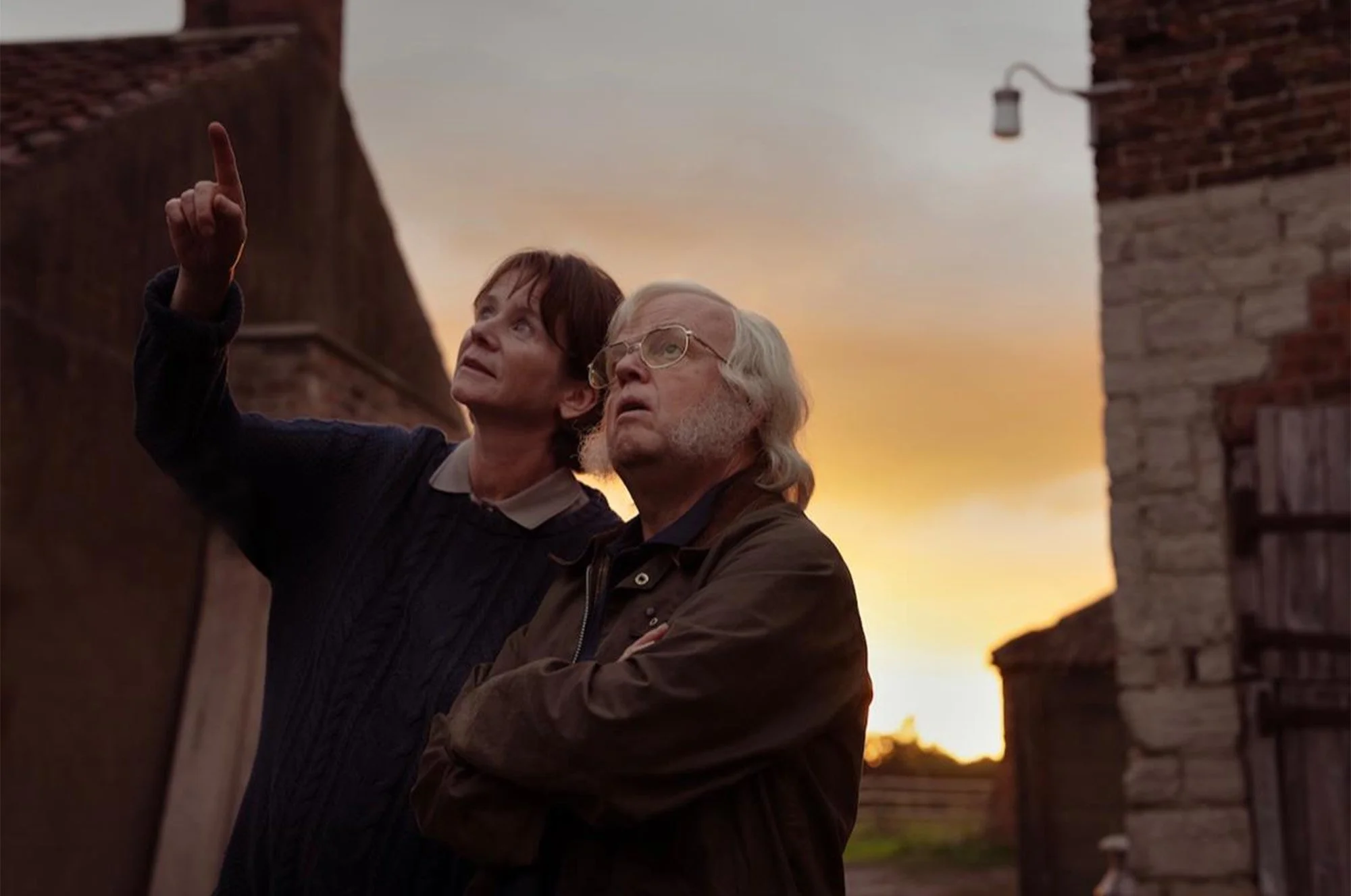
Domestic UK features rose in number, from 53 to 65, while their spend fell from £124.3m to £102.6m. Co-productions did the opposite: 22 titles against 26, but £68.0m of UK spend against £51.9m. Among the domestic films that began shooting in the third quarter, the BFI lists Mackenzie Crook’s Mars Express, with Toby Jones and Emily Watson, Euros Lyn’s Welsh-language Pijin and Edem Kelman’s Chairman. Yann Demange’s Lineage, a UK–France–Belgium co-production starring Isabelle Huppert, started in the same quarter. Big Talk Studios released the first image from Mars Express the same day, saying the Yorkshire shoot had wrapped; Altitude handles sales and the UK and Ireland release.
A summer that stalled
The first half had looked steady. In August the BFI put film spend for January–June at £1.03bn, down 6%, and spend over the 12 months to June up 11% at £2.7bn. Subtracting one release from the other leaves about £251m of film spend on productions that started in July, August and September, against about £932m in the same quarter of 2025, a fall of roughly 73%. Inward films account for most of the gap: about £202m from 10 titles, against about £853m from 19.
The BFI does not publish quarterly figures, so these are FilmBunch’s calculations, each year measured against its own first-reported tables. They are approximate: the BFI revises earlier quarters as data arrives, and any change to the first-half figures lands in the third-quarter remainder.
High-end television weakened in the quarter too, though far less. On the same method, programmes starting between July and September spent about £1.10bn, against £1.35bn a year earlier, down about 18%. Across the nine months, inward HETV spend fell 23% to £2.21bn, while domestic programmes held up better, down 8% to £509m. The BFI lists Black Mirror season 8, The Husbands, First Day on Earth and Far Cry among the quarter’s inward starts, and Bergerac series 3, Nightsleeper series 2, Hercule and Code Zero among the domestic ones.
The rolling year, and the revisions
Over the 12 months to September, 188 films started shooting with UK spend of £1.84bn, 33% below the revised £2.77bn for the previous 12 months. Inward investment fell 35% to £1.61bn, domestic features 21% to £160m and co-productions 27% to £75m. HETV spend fell 26% to £3.33bn from 161 programmes, although co-production spend of £95m was, the BFI says, the highest since the HETV tax relief was introduced in 2013.
Combined, film and HETV spent £5.2bn, the lowest October–September total since 2019/2020, when the pandemic shut down shoots and spend came to £2.7bn. Set against last year’s first-reported total of £6.5bn, a like-for-like comparison, the fall is about 20%.
The BFI warns that the latest figures will rise. A year ago it put film spend for October 2024 to September 2025 at £2.34bn; that now stands at £2.77bn, an upward revision of almost a fifth, and the count of films has climbed from 167 to 299, mostly through domestic features budgeted under £500,000. HETV spend for the same year went from £4.15bn to £4.50bn. Classification also moves money between the columns: 13 feature-length single-episode productions, with £237m of UK spend, were certified as HETV in the latest year. Counted as films, they would lift film spend to £2.08bn.
Certification at a record, cinemas up
Two other BFI releases the same day pointed the other way, because they measure different things. Final certification under the cultural test, which comes once a production is finished, reached a record £2.9bn of UK spend across 735 films intended for cinemas between October 2025 and September 2026. Most of that money, the BFI notes, came from productions that began between 2022 and 2024.
UK cinema admissions, meanwhile, reached 107.7 million between January and September, up 15%, and box office rose 20% to £897.3m, the highest for the period in seven years. Films qualifying as British took 44.5% of UK and Ireland box office for releases in the period. In November, Ramayana: Rise of a Legend became the first Indian film to open at No. 1 in the UK and Ireland.
Our reading
The headline fall is large, but the third quarter is the number to watch. A first half down 6% gave way to a summer in which inward film spend on new starts fell by about three-quarters on our calculation. The BFI offers no explanation, and the totals will be revised up. Even a revision as large as last year’s, though, would leave the latest film year well short of the one before.
Commissioning money is tight at home as well: ITV took £25m out of its fourth-quarter content budget this week. The next test is the BFI’s full-year release, due on 9 February 2027, which will show whether new starts returned to UK stages in the final quarter.
Dollar figures use the European Central Bank reference rates for 30 September 2026, $1.3286 to the pound.
Sources
- BFI Research and Statistics Unit, Film and high-end television programme production in the UK, January to September 2026 and year ending September 2026 (official statistics, 10 November 2026)
- BFI Research and Statistics Unit, Film and high-end television programme production in the UK, January to June 2026 and year ending June 2026 (official statistics, 11 August 2026)
- BFI Research and Statistics Unit, British film, HETV, animation, children's TV and video games certification, October 2025 to September 2026 (10 November 2026)
- BFI Research and Statistics Unit, The UK box office, January to September 2026 (10 November 2026)
- BFI, official statistics release calendar
- BFI Research and Statistics Unit, Film and high-end television programme production in the UK, January to September 2025 and year ending September 2025 (official statistics, November 2025; first-reported 2024/2025 figures)
- Big Talk Studios, First look at Mackenzie Crook’s feature debut Mars Express unveiled (10 November 2026)
- European Central Bank, euro foreign exchange reference rates, 30 September 2026 (USD 1.1355, GBP 0.85463; GBP→USD 1.3286)