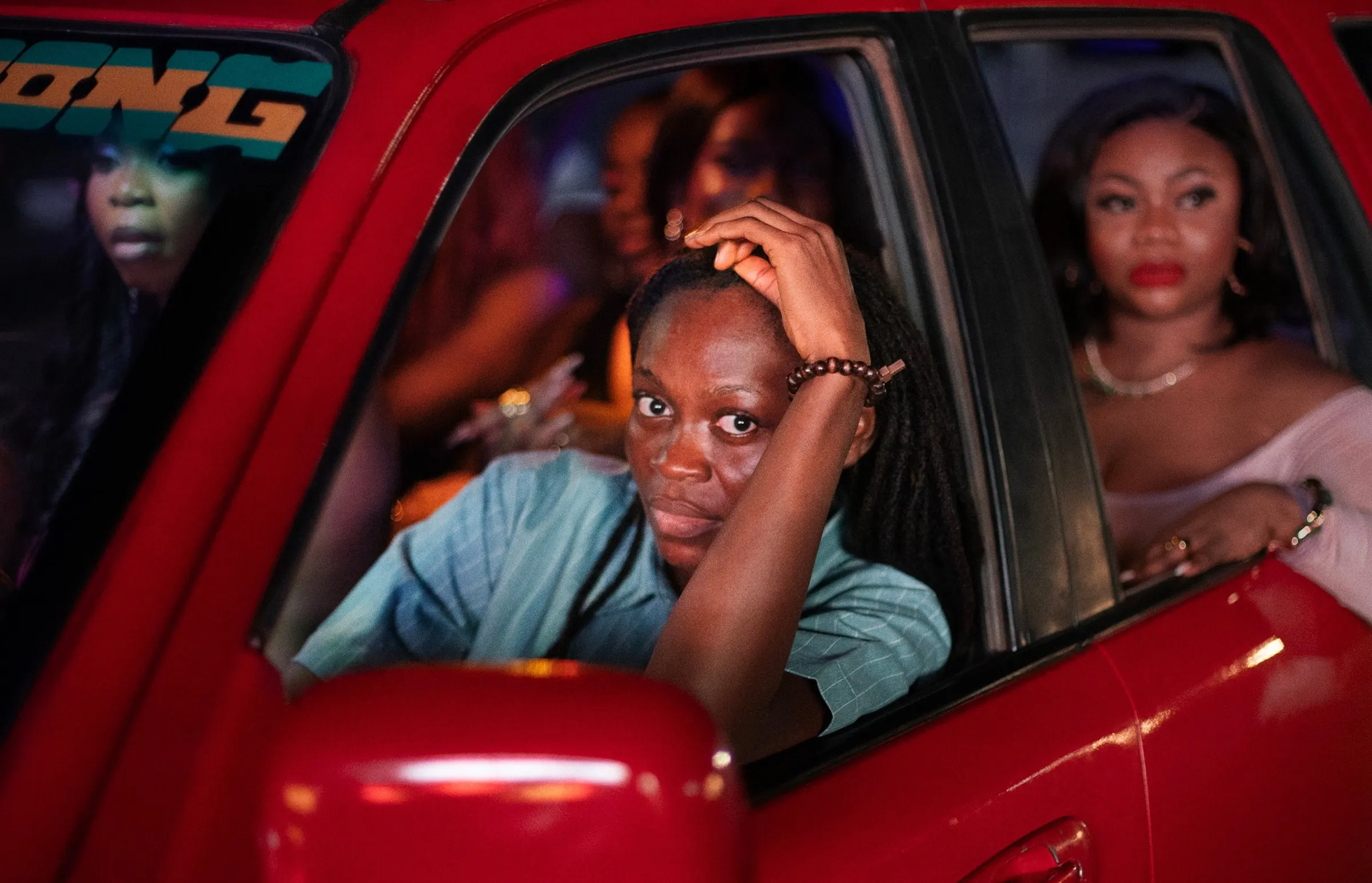
Slum Bomber, Ugandan director Maureen Jolly Nankya’s drama about a young woman who takes up boxing to keep her family afloat, won best feature film at the Africa International Film Festival (AFRIFF) Globe Awards in Lagos on Saturday 7 November, the closing night of the festival’s 15th edition. Olive Nwosu was named best director for Lady, the UK–Nigerian drama that had opened the festival a week earlier.
The most decorated film came from outside Africa. The Tropic Sun and His Eyes, Elisee Junior St Preux’s Haitian coming-of-age drama about a young man racing to reach his estranged father, won best international feature, best screenplay and best male actor for its lead, Stevenson Jean. No other film won more than two awards.
Key facts
- Best feature film: Slum Bomber (Uganda), dir. Maureen Jolly Nankya
- Best director: Olive Nwosu, Lady (UK–Nigeria)
- Most awarded: The Tropic Sun and His Eyes (Haiti), three prizes
- Special jury prize: Variations on a Theme (South Africa); audience award: Adanne (Nigeria)
- Ceremony: Globe Awards, Lagos Oriental Hotel, 7 November, closing AFRIFF’s 1–7 November edition
The winners
- Best feature film: Slum Bomber, Maureen Jolly Nankya (Uganda)
- Best director: Olive Nwosu, Lady (UK–Nigeria)
- Special jury prize for outstanding film: Variations on a Theme, Jason Jacobs and Devon Delmar (South Africa)
- Audience choice award: Adanne, Orobosa Ikponmwen (Nigeria)
- Best male actor: Stevenson Jean, The Tropic Sun and His Eyes (Haiti)
- Best female actor: Sarah Karei, One Woman, One Bra (Kenya–Nigeria)
- Best international feature: The Tropic Sun and His Eyes, Elisee Junior St Preux (Haiti)
- Best screenplay: Elisee Junior St Preux, The Tropic Sun and His Eyes
- Best documentary: Miss Jobson, Amanda Sans Pantling (Jamaica–Spain)
- Special mention, documentary: For Life, Ahmet Seven (Türkiye)
- Best short film: The Spectacular Death of Prisca, Kaelo Iyizoba (Nigeria)
- Best international short: Little Soldier, Roxan Karami (Iran)
- Best documentary short: Throne of Wood, Sadegh Kazemi
- Best animation: Lice n’ Shine, Maria Byoma (Uganda)
- Best student short: Sinai America, Rewan Mousa (Egypt)
- Pulse Award for emerging filmmaker: Kaelo Iyizoba, The Spectacular Death of Prisca
Herbert Wigwe Award for Excellence: the actor and producer Danielle Brooks; the French producer Francis Nebot; the South African producer Joel Chikapa-Phiri; and Kene Okwuosa, chief executive of the Nigerian cinema chain Filmhouse Group. The award is named after the late Access Holdings chief executive.
AFRIFF had not posted the 2026 results on its own site by the morning of 11 November; its Globe Awards page still shows last year’s winners. The list above is drawn from Afrocritik and What Kept Me Up, which carry the same 16 awards; Rolling Stone Africa published a partial list that agrees with both. Countries and spellings follow AFRIFF’s programme pages, which give no country for Throne of Wood. The reports differ on a few names: Rolling Stone Africa has Sarah Karen and Roxan Karmi, Afrocritik Roxana Karami and Rewan Musa. Rolling Stone Africa also describes Okwuosa as an “honourable recipient” of the Wigwe award. None of the reports mentions a best international documentary prize, which AFRIFF awarded in 2025.
The films
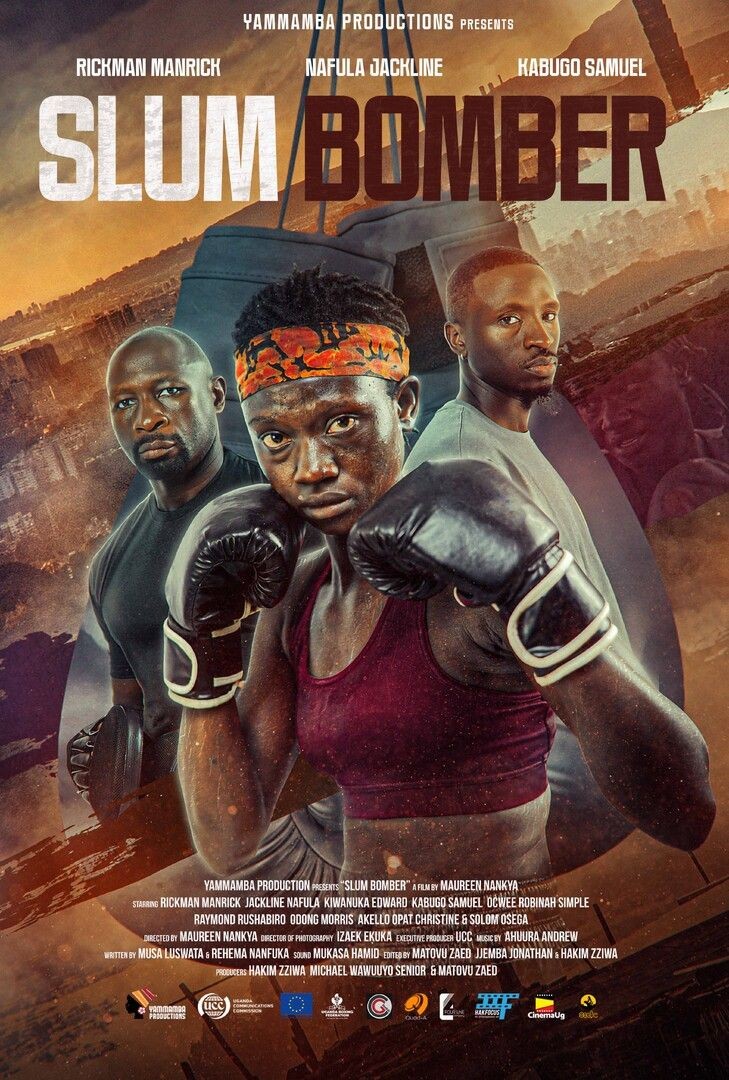
Slum Bomber runs 114 minutes and, according to its AFRIFF synopsis, draws on the life of Julie Aloyo, a boxer who helped shape women’s boxing in Uganda. It follows her from the north of the country, after the war with the Lord’s Resistance Army, to Kampala, where she finds work as a housekeeper and then a coach willing to train her. Nankya’s first feature as director, it came to Lagos with 14 nominations at this year’s Africa Movie Academy Awards, Afrocritik reported.
Lady, about one of the few women driving a taxi in Lagos, won the special jury award for its acting ensemble at Sundance in January and went on to the Berlinale’s Panorama. Variations on a Theme, a 2025 Afrikaans-language feature about an elderly goat herder caught in a reparations scam, is South Africa’s Oscar submission and won the Tiger Award at Rotterdam, according to Afrocritik.
Kaelo Iyizoba’s The Spectacular Death of Prisca, a 23-minute comedy-drama in English and Yoruba starring Rita Dominic, took two awards from an unusual position: AFRIFF’s site lists it under Special Presentations rather than in the shorts strand. Afrocritik noted that it had received an honourable mention in Toronto’s Short Cuts section this year.
The documentary mention links Lagos to Cairo. Ahmet Seven’s For Life, which follows a Palestinian woman whose husband is serving a life sentence in an Israeli prison, is also among the special screenings at the Cairo International Film Festival, which opens on 11 November.
The jury
The ten-member international jury was coordinated by Keith Shiri, the Zimbabwean curator who programmes the festival, according to AFRIFF and What Kept Me Up. It also included the Cameroonian director Jean-Pierre Bekolo, the South African producer Tshepiso Chikapa Phiri, the Kenyan producer Fibby Kioria, the Nigerian filmmaker Blessing Uzzi, the Nigerian critic Jerry Chiemeke, Afrocritik’s founding editor-in-chief, the French-Lebanese documentary maker Michel Tabet, the playwright and director Femi Elufowoju Jr, Oman’s Ahmed Al Othman and Jemilah Alghali.
Our reading
AFRIFF’s jury looked well beyond Nigeria. The top feature prize went to Uganda, the jury prize to South Africa and the most decorated film to Haiti, while Nigerian titles took the audience award, best short film and, through a UK co-production, best director. For a festival that opened with 119 films and ran alongside the Afreximbank-backed CANEX programme in Lagos, that spread is the pitch to sales agents and financiers: Lagos as a showcase for the continent and its diaspora, not only for Nollywood.
The weak point is the record. Results that exist only in press reports, with names still spelt three ways, are harder for winners to carry into a sales meeting. The next things to watch are AFRIFF’s own published list and whether Slum Bomber and The Tropic Sun and His Eyes find sales representation on the back of their prizes.
Sources
- Afrocritik, AFRIFF 2026 Globe Awards winners, 10 November 2026
- Rolling Stone Africa, AFRIFF Globe Awards 2026
- What Kept Me Up, AFRIFF 2026 recap and Globe Awards winners
- AFRIFF, official selection: Slum Bomber
- AFRIFF, official selection: The Tropic Sun and His Eyes
- AFRIFF, official selection: Lady
- AFRIFF, official selection: The Spectacular Death of Prisca
- AFRIFF, international jury 2026
- AFRIFF, Globe Awards page (2025 winners; 2026 not yet posted, checked 11 November)
- Berlinale, Lady (Panorama 2026)
- Cairo International Film Festival, 47th edition programme