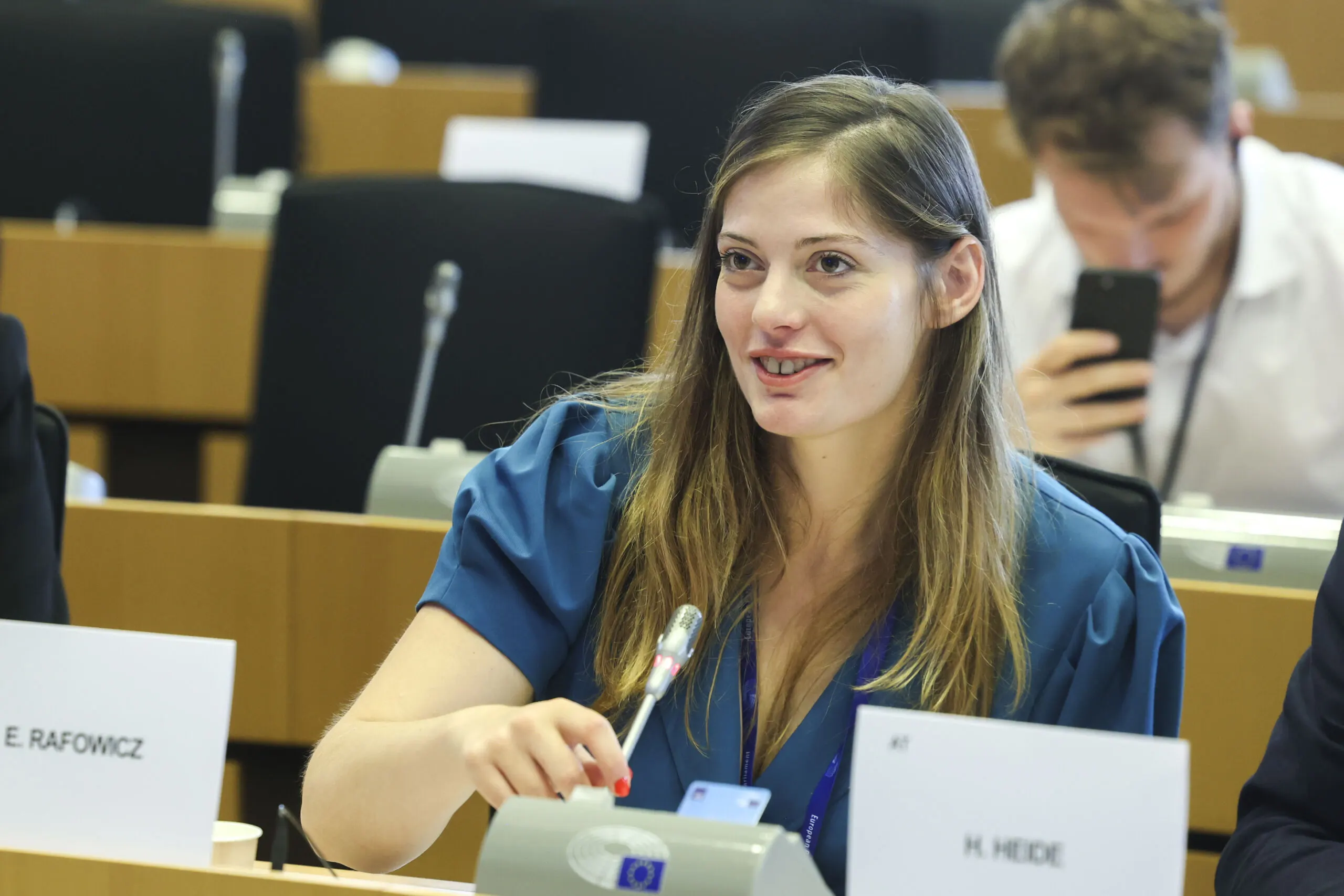

Two European Parliament committees have voted to give MEDIA, the EU’s support programme for film, television and video games, a fixed 25% of AgoraEU, the culture, media and values programme due to replace Creative Europe in 2028. On their proposed AgoraEU budget of €10.72bn for 2028–2034, that share is worth €2.68bn, against about €1.42bn for MEDIA in the current seven-year period. The Culture and Education Committee and the Civil Liberties Committee adopted the position on 19 November by 64 votes to 17, with two abstentions, according to the Parliament.
The vote sets Parliament’s opening position against the European Commission, which proposed €8.58bn, and against EU governments, which want to spend less. The committees also voted 65 to 19 to open negotiations with the Council once governments agree the EU’s overall 2028–2034 budget.
Key facts
- Programme: AgoraEU, 2028–2034, successor to Creative Europe, which also takes in citizens’ and rights funding (CERV+)
- Parliament committees’ budget: €10.72bn (€9.50bn in 2025 prices), against the Commission’s €8.58bn (€7.61bn in 2025 prices)
- MEDIA: a fixed 25%, or €2.68bn, against about €1.42bn in 2021–2027
- Vote: 64 to 17 with two abstentions on the position; 65 to 19 to enter negotiations
- Co-rapporteurs: Emma Rafowicz (S&D, France) and Alice Kuhnke (Greens, Sweden)
Five strands instead of three
The Commission had proposed three strands, with audiovisual and news media support combined in one. The committees want five, each with a fixed share. FilmBunch has converted the shares into euros on the committees’ €10.72bn total:
| Strand | Share | Amount, 2028–2034 |
|---|---|---|
| Democracy, Citizens, Equality, Rights and Values (CERV+) | 29.5% | €3.16bn |
| MEDIA (audiovisual works and video games) | 25% | €2.68bn |
| Creative Europe–Culture | 21% | €2.25bn |
| News and journalism | 13.5% | €1.45bn |
| Daphne (violence prevention) | 11% | €1.18bn |
Source: Parliament committees’ shares; amounts are FilmBunch calculations in current prices.
The current comparison comes from the Creative Europe regulation, which gives the 2021–2027 programme €2.44bn and reserves at least 58% for MEDIA, about €1.42bn. On that basis the committees’ figure is an 89% increase, or about €383m a year against roughly €203m. MEDIA’s share of its parent programme would fall, from at least 58% of Creative Europe to 25% of AgoraEU, because AgoraEU also absorbs civil-society and rights funding.
The committees want the MEDIA strand to support audiovisual production, cross-border distribution and film education, with stronger independent production, more visibility for European works, support for European video games and access in more languages and on more platforms. They also want annual public reports on spending and a power to object to the Commission’s work programmes.
What the industry and governments say
Seven organisations, among them the cinema operators’ union UNIC, the distributors’ group Europa Distribution and the directors’ federation FERA, welcomed the text in a joint statement and thanked the two co-rapporteurs. They said it restored the international circulation of European films and the cinema release of non-national European films among MEDIA’s objectives.
The size of the envelope is still open. Documentary groups said this week that the Council’s position would cut AgoraEU by 30% to roughly €6bn. On FilmBunch’s arithmetic, the same 25% share of a €6bn programme would give MEDIA about €1.5bn, little more than it has now. The Parliament still has to confirm the committees’ mandate in plenary.
National and regional money will not easily fill a gap of that size. Spain, one of the bigger European producers, has chosen regulation over cash, approving a 30% European-works quota for streamers, while the Madrid regional government spread €1m across 30 of 213 development applications this year.
Our reading
The committees have done two things the film sector asked for: kept MEDIA as its own strand and fixed its share, so that journalism and civil-society funding cannot be taken out of film money. But a fixed share protects the proportion, not the amount. If governments cut the overall programme, MEDIA falls with it. The figure that decides what producers, distributors and cinemas get is the AgoraEU total agreed in the 2028–2034 budget talks, and the next evidence is the Council’s formal negotiating mandate.
Sources
- European Parliament press release, MEPs propose €10.72 billion AgoraEU programme (CULT and LIBE committees), 19 November 2026, as republished by EuropaWire
- European Parliament, Legislative Train: AgoraEU
- UNIC, AgoraEU: Parliament committees strengthen support for European films and their audiences (joint statement of seven film organisations), 19 November 2026
- Regulation (EU) 2021/818 establishing the Creative Europe Programme 2021–2027 (budget €2.44bn; MEDIA at least 58%, Culture at least 33%)
- Screen International, European film industry cheers as MEPs propose funding increase for ringfenced Media programme, 19 November 2026