Voice actors in SAG-AFTRA have ratified the union’s new television animation contracts with the studios, approving them by 94.95% to 5.05% in a vote that closed at 5pm Pacific time on Thursday 29 October. The 2026 Television Animation Agreement and its companion Basic Cable Animation Agreement, both negotiated with the AMPTP, the bargaining group for the major studios and streamers, raise wages by 12.6% over four years and carry stronger protections on the use of artificial intelligence, the union said.
Key facts
- Ratified by 94.95% of voting members; the result was certified by Integrity Voting Systems
- Two contracts: the Television Animation Agreement and the Basic Cable Animation Agreement
- Term: retroactive to 1 July 2026, running to 30 June 2030
- Wages up 12.6% over the term, with residual gains and higher health, pension and retirement contributions
- The tentative deal was reached on 17 September 2026
The vote settles pay and working terms for the performers who voice animated series made for US broadcast, cable and streaming by AMPTP companies until mid-2030. It follows the union’s live-action film and television deal earlier this year, and it carries the AI rules agreed for on-screen performers into the recording booth, where voice cloning is a live concern for performers.
What the contracts contain
SAG-AFTRA has not published the full contract language. According to the union’s summary, as reported by Voice Over Herald from Cartoon Brew’s coverage of the ratification materials, minimum rates rise by 3% in each of the four years, which compounds to the 12.6% headline figure. Residuals go up by an average of 5% when a programme moves to a subscription streaming service, the calculation improves for some high-budget animated streaming productions, and the subscriber factor used for qualifying programmes on large foreign streaming services rises from 39% to 41%.
Employer contributions to the SAG-AFTRA Health Plan rise by 1%, pension and retirement contributions by another 1% from 2028, and a further 0.25% goes to a new paid parental leave fund. The AMPTP also pointed to the parental leave fund in its own statement on Thursday, which said the deal built on the agreements reached with the unions earlier in the year.
On AI, the new contracts keep the animation-specific protections first agreed in 2024, including a definition of a voice actor as a human being and a consent requirement before a producer uses a performer’s name to prompt a synthetic voice. They add the improvements SAG-AFTRA won in its 2026 live-action film and television agreements, which members ratified in June. The clause-by-clause AI wording has not been made public.
What the union and the studios said
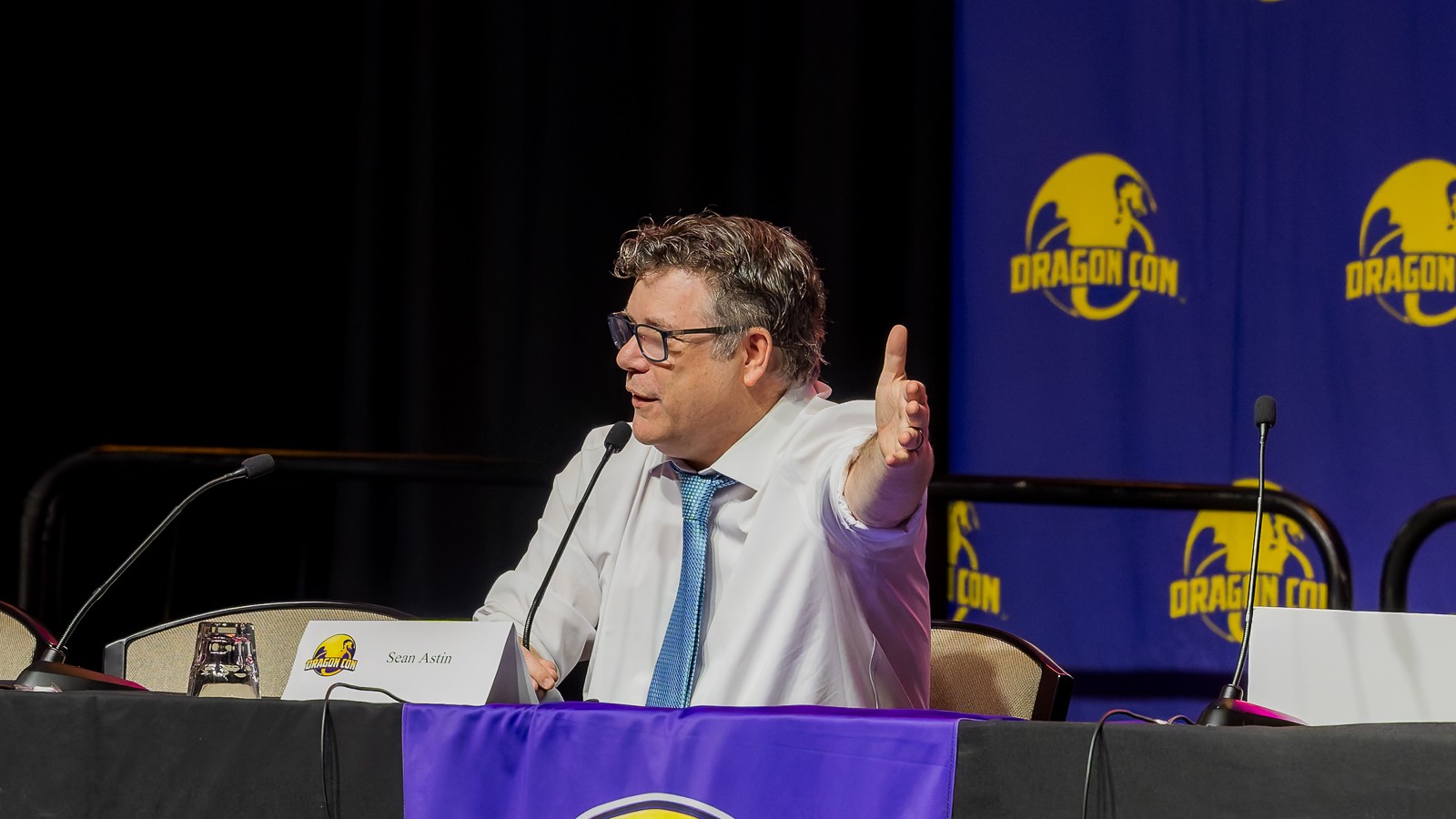
Sean Astin, SAG-AFTRA’s president, who said he often works in TV animation himself, thanked the TV Animation Negotiating Committee and its co-chairs, Bob Bergen and David Jolliffe, for securing what he called a dignified deal with essential AI protections. Duncan Crabtree-Ireland, the union’s national executive director and chief executive, said animation performers were entitled to meaningful AI protections and to wages that reflect the value of their work. He also thanked the co-chairs and committee volunteers, Ray Rodriguez, the chief contracts officer, and the negotiating staff.
The AMPTP congratulated the union and said its 2026 agreements offered long-term stability for the industry.
How it got here
SAG-AFTRA and the AMPTP announced a tentative agreement on 17 September on successors to the 2023 television animation and basic cable animation contracts, which members ratified in March 2024. Cartoon Brew reported that the union’s Executive Committee approved it unanimously before it went to members. Voting ran online and by post until Thursday afternoon.
Earlier this month the union said its new streaming success fund would pay $1.5m to about 700 performers. AI terms are reaching below-the-line bargaining too: in September, Apple’s VFX artists reached a first IATSE contract with AI protections.
Our reading
For producers of US television animation, the deal fixes minimum rates for four years, rising 3% a year, and locks the terms in until June 2030. The bigger shift is in the residual formulas, which give more weight to streaming.
The AI terms matter beyond the US. Japanese and European producers who sell to or co-produce with US platforms now have a union benchmark on synthetic voices that their own performers’ groups may cite. That market is not small: Japan’s anime industry hit a record ¥4.45tn last year. The test will be the full AI language when SAG-AFTRA publishes the contracts, and whether producers notify the union of synthetic voice use as the rules require.
Sources
- SAG-AFTRA ratification announcement, 29 October 2026 (republished by First Comics News)
- AMPTP statement, 29 October 2026
- Animation World Network (SAG-AFTRA announcement)
- Deadline
- TheWrap
- Voice Over Herald (terms of the tentative deal, citing Cartoon Brew)
- SAG-AFTRA tentative agreement announcement, 17 September 2026 (republished by First Comics News)