
The BFI has awarded almost £650,000 of National Lottery money to the National Film and Television School (NFTS) and Falmouth University so that independent filmmakers can test artificial intelligence, virtual production and new capture technologies on their own work. The awards, announced on Wednesday 11 November, were made under In Our Hands, the sixth call of the BFI’s Innovation Challenge Fund.
The NFTS receives £400,000 and Falmouth almost £250,000. Each will run its programme over two years, and both must publish their findings and practical resources for the wider sector.
Key facts
- Funder: BFI National Lottery Innovation Challenge Fund, Call 6, In Our Hands
- Awards: £400,000 to the NFTS; almost £250,000 to Falmouth University
- Participants: a cohort of 10 practitioners at the NFTS; eight independent creatives at Falmouth
- Timing: two-year programmes; the BFI had expected to make awards in August 2026
The two programmes
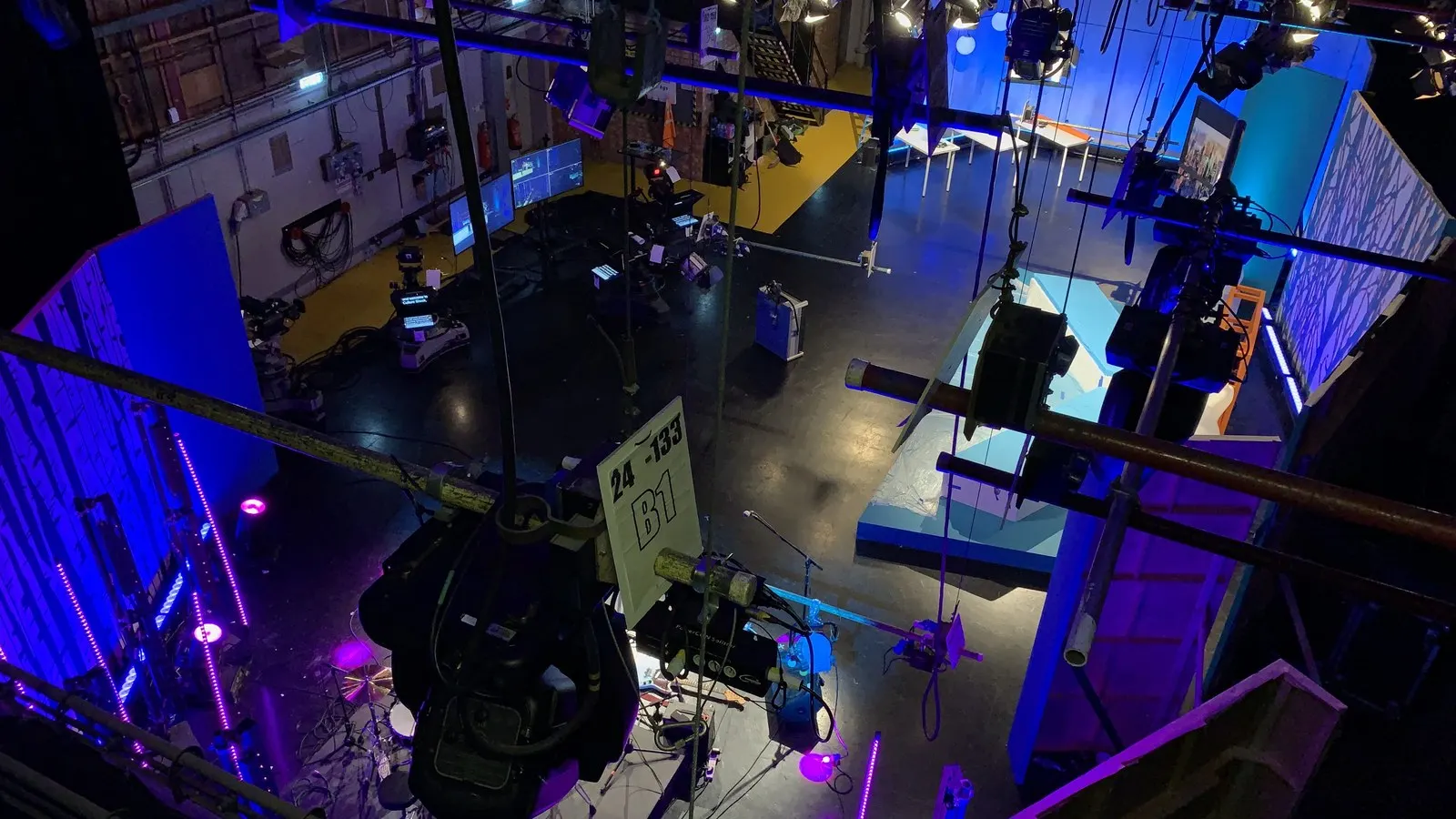
The NFTS x BFI Innovators Programme is designed as a broad pipeline. It combines consultation with the sector, research, skills training and funded research and development, reaching a large number of creatives before backing a cohort of 10 practitioners to build proof-of-concept projects. The school already runs a virtual-production course on the LED wall it installed in its Beaconsfield television studio in 2021.
Falmouth’s programme, Lab to Slate: Unlocking Safe and Responsible AI for the UK’s Independent Screen Sector, deals only with AI. Eight independent creatives will receive training, mentoring, access to tools, legal guidance and ethical frameworks, and will apply AI to projects already in development or production. Their case studies will go into a free, open-access AI Production Playbook which, said Kingsley Marshall, Falmouth’s head of film and television, will say “what doesn’t work as well as what does”. Independent filmmakers, he argued, are expected to form a view on AI “without the licences, legal advice, or time and space to test them on their own work.”
Rishi Coupland, the BFI’s executive director of industry development and innovation, said recent research indicates that as many as 30% of independent producers already use AI as central to making their films, but that the technology is often poorly understood and carries “risks and significant concerns as well as opportunities”. Rebecca Gregory-Clarke, head of innovation at the NFTS, said the school sees strong demand from professionals who want to explore new technology responsibly.
The call and the budget
The BFI’s page for the call listed “funding available: up to £400,000”, with applications closing on 9 April and awards expected in August 2026. The page does not say whether that figure is the call’s total or the most a single project can receive; the NFTS award matches it exactly, and the two awards together come to almost £650,000. The release gives no breakdown and no reason for the timing, which came about three months later than planned.
The fund has £2.55m to spread across several calls under the BFI’s National Lottery plan for 2026 to 2029, according to the release, and the BFI’s page says up to 12 calls are planned in that period. In Our Hands alone accounts for about a quarter of that three-year pot. Between 2024 and 2026, up to £1.8m went to not-for-profit organisations through earlier calls on the video games industry, AI for screen archives and data on equity, diversity and inclusion in film production.
Our reading
The money buys evidence, not films, so its return to the sector rests on how candid the published findings are about cost, time and legal exposure. That is a different route into AI from the private deals now shaping studio policy, such as Disney’s alliance with Adobe to build models on its own characters, and from the fight over training data in the US courts, where unions and agencies have filed briefs in the OpenAI copyright case. It also arrives in a lean year: UK film production spending fell 37% in the first nine months of 2026. The first test is Falmouth’s playbook, and whether it is as frank as promised.
Sources
- BFI press release, BFI Innovation Challenge Fund invests in ensuring the independent film sector has practical, safe and responsible guidance to work with emerging technology (11 November 2026, PDF)
- BFI, National Lottery Innovation Challenge Fund page (Call 6, In Our Hands: funding available up to £400,000; awards expected August 2026)
- NFTS, production facilities (Sky 4K Television Studio and LED volume, installed 2021)