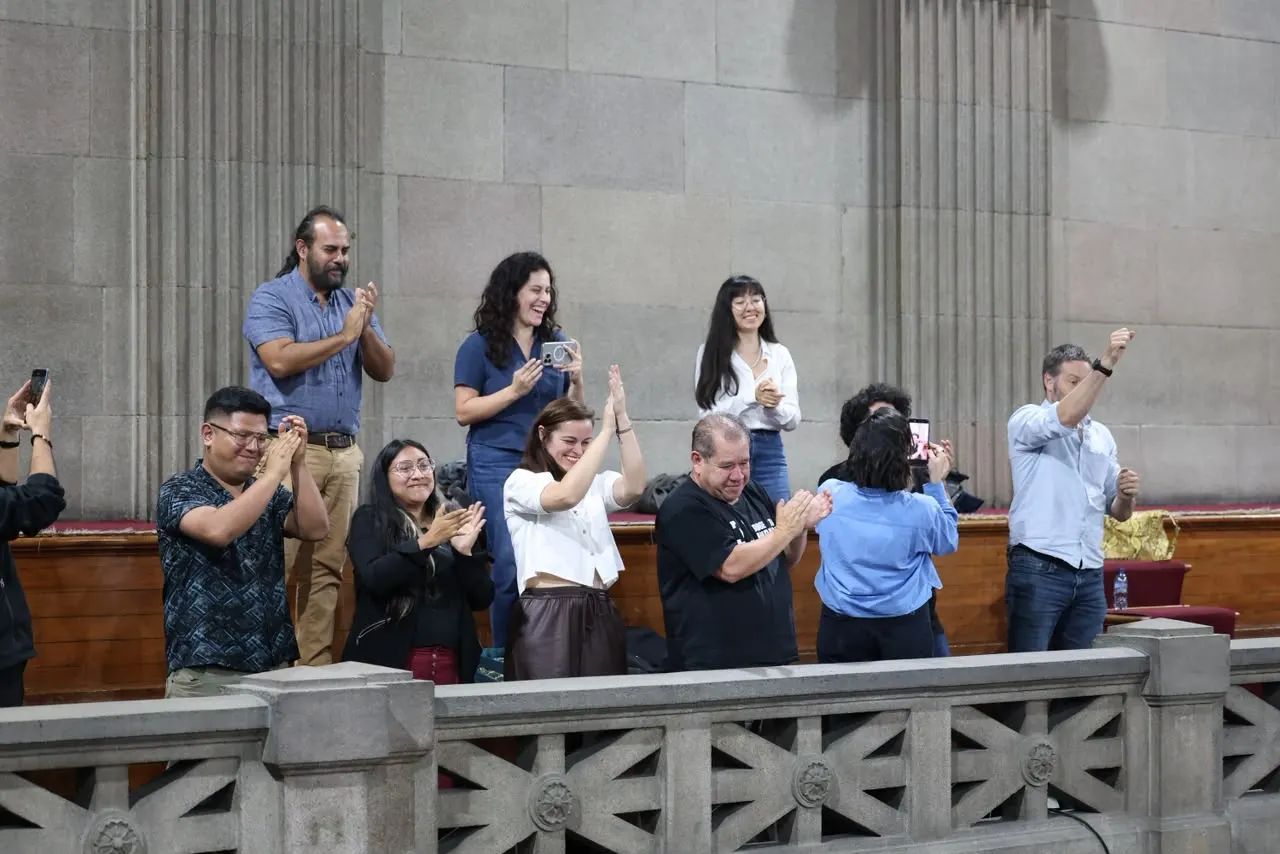
Guatemala’s Congress has passed the country’s first film law. On Tuesday 10 November deputies approved the Ley de Cine de Guatemala by 132 votes, turning initiative 5906 into Decree 27-2026, Congress announced. The law creates a state film institute, a production fund that awards money through open calls, and tax incentives that include a rebate of up to 30% for Guatemalan producers and up to 20% for foreign ones.
Guatemala has been one of the few countries in Latin America without film legislation, and its filmmakers have long financed their work largely on their own. The law gives them, for the first time, a national institution and a public fund to bring to a co-production. What it does not yet give them is money: deputies dropped the levy that was meant to pay for the institute and left the Ministry of Finance to fund it, without setting an amount.
Key facts
- Law: Ley de Cine de Guatemala (initiative 5906), approved on 10 November 2026 as Decree 27-2026
- Vote: 132 in favour, about 83% of Congress’s 160 seats (FilmBunch calculation); the urgency motion passed 131–11
- Creates: the Instituto Guatemalteco de Cine, a national film council and a Fondo de Fomento del Cine that can cover up to 50% of a project
- Incentives: an income-tax (ISR) credit of up to 35% of tax due for contributions to certified films; rebates of up to 30% for Guatemalan producers and 20% for non-resident foreign producers
- Dropped: a $1 charge on air tickets sold to foreigners flying to Guatemala
How it passed
The bill had waited a long time. Deputies from several parties filed initiative 5906 in May 2021, the plenary first heard it that September, and earlier film-law proposals had reached Congress as far back as 2007. It cleared its first and second debates in February this year and reached a third reading on 3 November, when Victoria Palala, a deputy from the governing party, had it sent back to the culture committee so that pending amendments could be folded in. The committee returned a favourable report the next day.
On 10 November Palala moved to treat the bill as a matter of national urgency. The motion passed 131–11, the news site República reported, which allowed Congress to approve the law in a single debate rather than three, along with seven amendments made on the floor. Once sanctioned by the executive and published in the official gazette, the Diario de Centro América, it takes effect eight days later.
The decisive change was to the money. The committee’s earlier report would have funded the institute with a $1 charge on every air ticket sold to a foreigner travelling to Guatemala; the original 2021 text had proposed Q2 (about $0.26) on every cinema ticket and every streaming subscription. The tourism chamber Camtur and air transport associations objected to the air-ticket charge. The final text instead says the Ministry of Finance will provide the institute’s start-up funding, without naming the budget line it will come from, La Hora reported.
What the law creates
The Instituto Guatemalteco de Cine will be a decentralised state body with its own legal personality and assets. It will issue filming licences, which are free for Guatemalan productions and paid for foreign ones at a rate the council sets each year, and the law bars the institute from using them to vet or censor content. It is also charged with founding a national film school, certifying Guatemalan works and keeping a public register of productions; registration is required for any incentive. Its departments include a film commission, a cinematheque, and directorates for promotion, administration and finance, and research, training and technology.
A national film council will steer it. According to La Hora and eP Investiga, which both worked from the final text, it brings together the ministers of culture and of the economy, the head of the tourism institute Inguat, one representative of producers and one of other industry professionals. The council approves the institute’s plans and budget, sets the criteria for projects seeking money and appoints the executive director through a public call. Its members serve two-year terms and cannot draw on the law’s incentives while in office.
The fund will part-finance development, production, co-production, post-production, distribution and exhibition of Guatemalan works, as well as training and the preservation of the country’s film heritage. Under one of the amendments, it may cover up to 50% of a project, paid in stages once the rest of the financing is in place. The same beneficiary cannot apply for the same stage in consecutive years, and films wholly financed by public bodies, advertising and political propaganda are excluded. The law also requires the fund’s budget to be at least as large as the institute’s own running costs.
The incentives
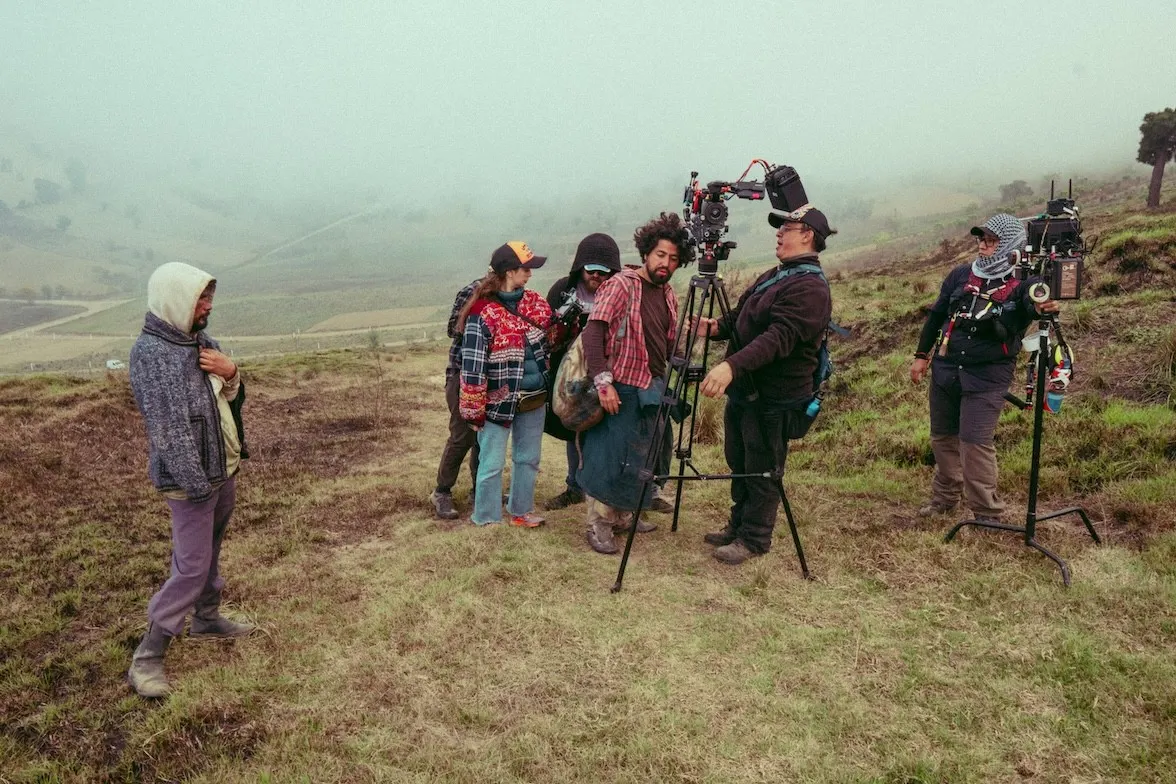
The tax chapter was added in the amended committee report. Resident taxpayers who put money into a certified film can credit up to 35% of the income tax (ISR) they owe, provided the film carries no advertising for their own products or services; an earlier draft had capped the credit at 20%. Guatemalan producers registered for ISR can claim back up to 30% of what they invest, and non-resident foreign producers up to 20%, with foreign producers also exempt from withholding tax on non-residents, eP Investiga reported from the final text.
The conditions are strict. A project must be on the national register, spend all of its money in Guatemala (promotion at international festivals excepted), have at least 20% Guatemalan creative or technical participation and obtain the institute’s technical and financial certification.
The campaign behind it
The film community pushed for the law for years. Earlier this year more than 3,500 professionals across Ibero-America signed a petition organised by the producers’ federation FIPCA, among them Oscar Isaac and Jayro Bustamante, director of Ixcanul and La Llorona, The Hollywood Reporter en Español reported in March. Programa Ibermedia, the Ibero-American film fund, of which Guatemala is a member, backed the appeal; it twice supported Nosotros, a Guatemala–Mexico co-production by Joaquín Ruano, who now heads the producers’ association Agacine. Agacine members celebrated the vote in Congress, La Hora reported.
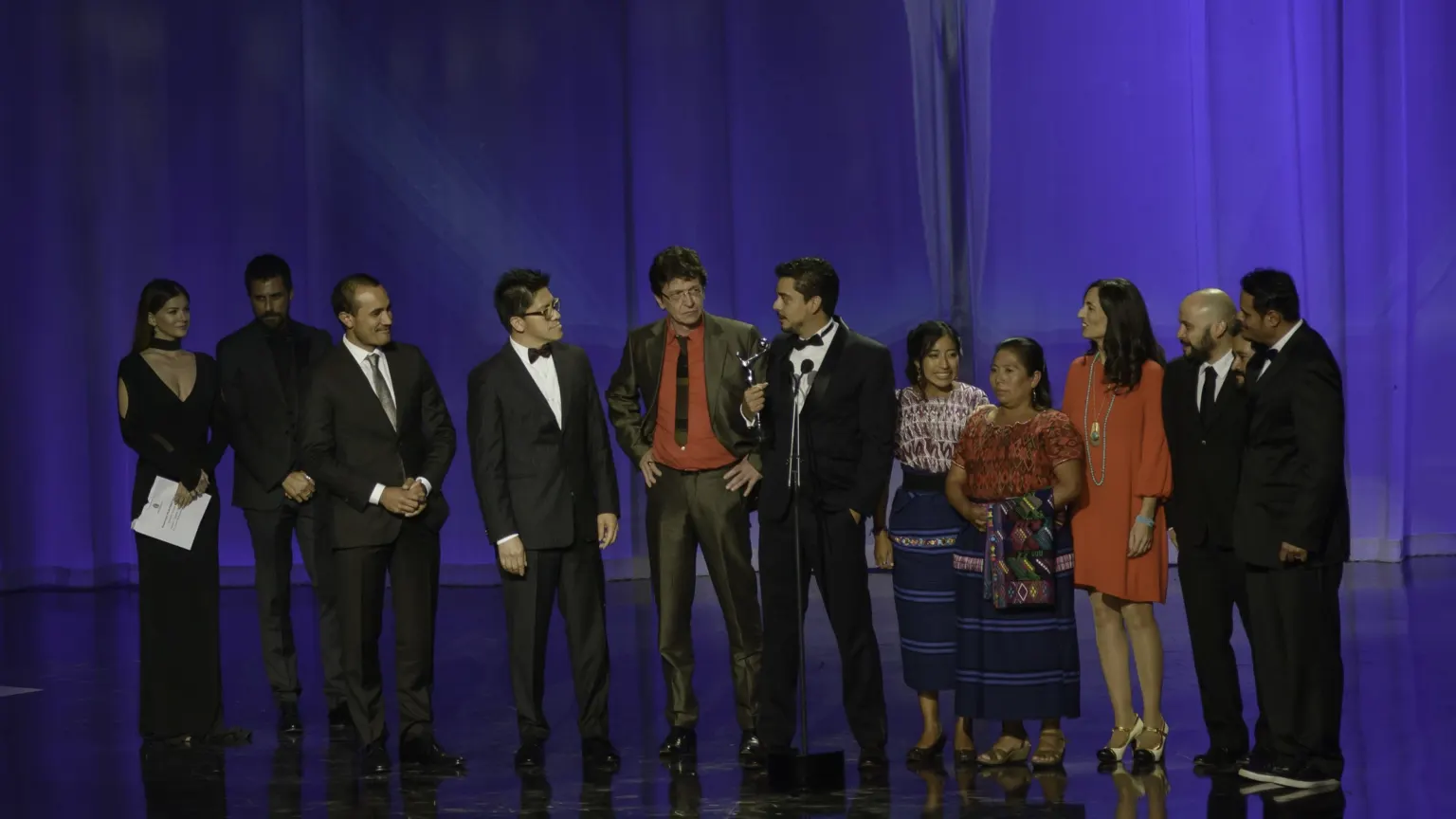

Andrea Villagrán, one of the deputies behind the 2021 bill, framed the vote around exactly that history. In a video quoted by Ibermedia, she said Guatemalan filmmakers had often paid for their films out of their own pockets and that, five years on, Congress had agreed the state should play its part. She wanted making films in Guatemala to mean being able to make a living from it, she said.
The bill also had critics. República, which published a critical analysis of an earlier version on 26 October, questioned the controls on how public money would be spent and the speed of the urgency procedure.
What happens next
The Ministry of Culture and Sports has 30 days from entry into force to call the first council, which must be formed within a further 30 days; the council then has 30 days to open the call for an executive director. The government must issue the regulations within 90 days of the council’s formation.
The money is the open question. No figure for the Ministry of Finance’s start-up allocation has been published, and Infobae reported that Congress’s finance committee could adjust it during the debate on the 2027 budget. One outlet, CRN Noticias, put the fund at Q100m ($13m), a figure that does not appear in Congress’s own summary or in other reports on the final text. The licence fee for foreign shoots is also still to be set.
Our reading
For producers, the institute matters less than the two cash routes it administers: grants capped at half a budget, and rebates of up to 30% for Guatemalan producers. Together they give a Guatemalan producer something Villagrán said the sector never had, a national public partner to bring to a co-production table. The staged payments and the 50% cap mean the rest of the finance must be closed before any money moves, which favours projects that already have partners abroad.
The 20% rebate for foreign producers is the line international productions will read first, and its conditions, local spend and a 20% Guatemalan share of the creative or technical team, are written to put Guatemalan crews on foreign shoots. Its value depends on a figure no one has published yet: the Ministry of Finance’s first allocation. The 2027 budget, which Congress must pass by 30 November, is the first chance to see whether the fund exists on a budget as well as in law.
For more on Latin American production money, see our report on the $30m-plus Bogotá Content City studio complex, the Sanfic 2026 winners and the Mar del Plata festival.
Sources
- Programa Ibermedia, Guatemala approves a film law (11 November 2026, Spanish)
- Congress of Guatemala, Dirección Legislativa, initiative 5906, Ley de Cine de Guatemala (heard in plenary 29 September 2021)
- La Hora, Congress approves film law with film institute and promotion fund (10 November 2026)
- La Hora, deputies seek urgent approval after dropping air-ticket charge (10 November 2026; amended committee report, tax incentives)
- La Hora, the functions of the Instituto Guatemalteco de Cine (11 November 2026)
- Prensa Libre, Congress approves the film law with 132 votes (10 November 2026)
- Infobae, Guatemala’s film law (11 November 2026)
- República, deputies approve the film law as a matter of urgency (10 November 2026; 131–11 urgency vote, article 46)
- eP Investiga, Congress seeks to resume debate on the film law (2 November 2026; earlier draft: 20% ISR credit; legislative history)
- eP Investiga, new institutions and production finance: the new film law (11 November 2026; final text: 35% ISR credit, 30% and 20% rebates, council, eligibility)
- Congress of Guatemala, post announcing the 132-vote approval of Decree 27-2026 (10 November 2026)
- República, Ley de cine podría retornar a comisión (29 October 2026; República's 26 October critique of the bill)
- CRN Noticias, Congress approves film law with a Q100m fund (11 November 2026)
- MONEC / La Hora, air transport associations on the air-ticket charge (24 February 2026)
- The Hollywood Reporter en Español, Oscar Isaac and Jayro Bustamante back Guatemala’s film law (9 March 2026)